Optimizing drilling operations is crucial for companies seeking to enhance their systems' performance and minimize operational issues. Since smooth progress is difficult to achieve with a worn drill bit, real-time monitoring of its wear state is essential for optimizing the drilling process. Recent advances in machine learning and deep learning algorithms have enabled the widespread adoption of real-time models in the upstream oil and gas industry. This study developed a deep learning-based decision system for monitoring the drill bit wear state using the Seeded K-Means algorithm and a Convolutional Neural Network (CNN), followed by a Bernoulli distribution model. We used drilling data of thirteen wells from Algerian oilfields as a case study to develop, train, and test the proposed real-time system. The results demonstrated that the developed model successfully classified cutter wear rates with 99% precision, an F1-score of 100%, and 99% recall. Compared to the Random Forest (RF) classifier, which required seven input features to achieve an overall precision of 96%, the proposed model achieved superior results using only a single input feature. Furthermore, we tested the generalizability of the developed real-time model on two additional wells, where a mathematical wear model was also employed to determine the optimal moment for pulling the bit out of the hole. As expected, the outcomes provided by the proposed model aligned with those obtained from the mathematical model. Finally, field test results confirmed that the developed system can assist rig operators in making instantaneous, data-driven decisions on the PDC bit wear state during drilling.
周老师: 13321314106
王老师: 17793132604


邮箱号码: lub@licp.cas.cn




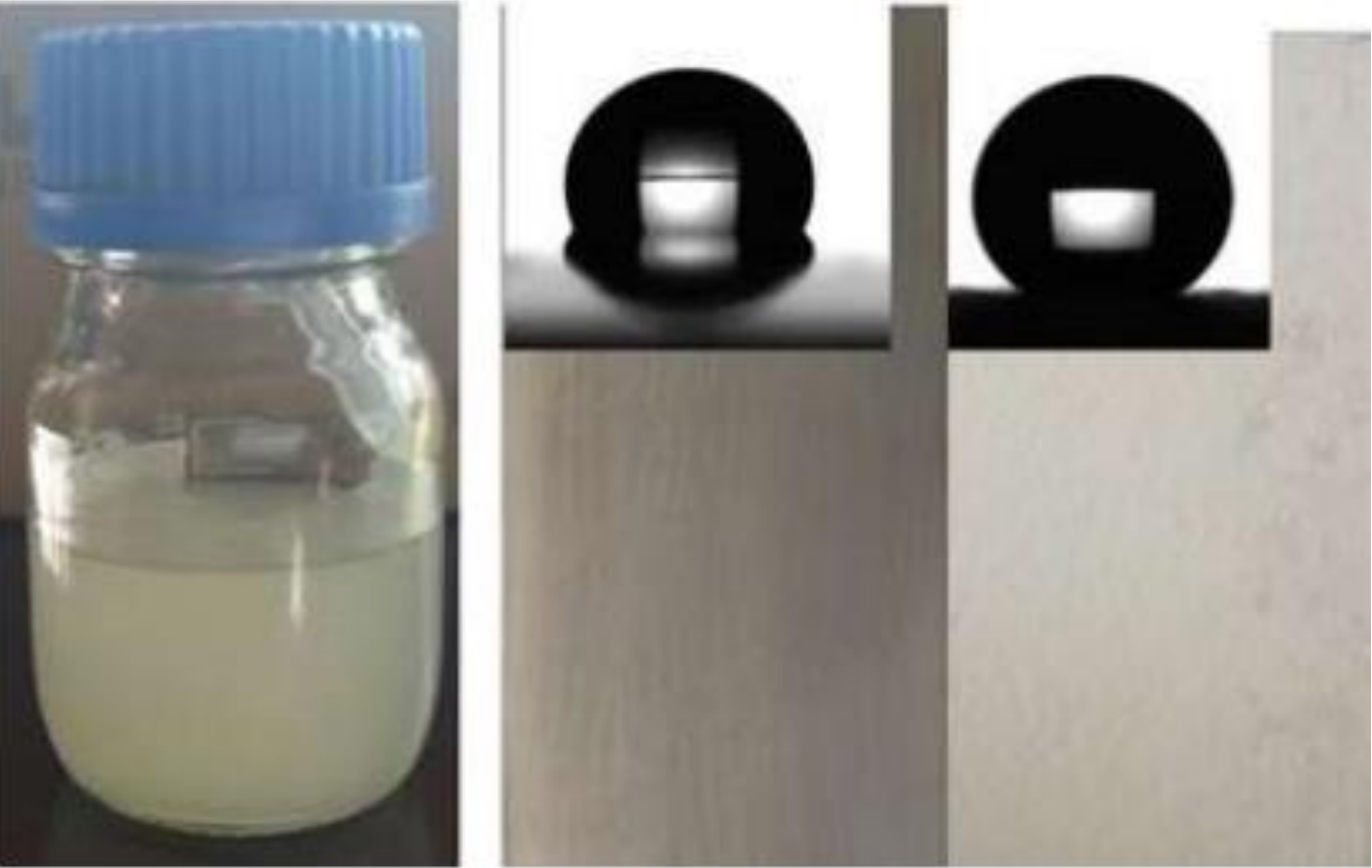
 润滑剂
润滑剂
 润滑油添加剂
 自润滑材料
自润滑材料
 密封材料
密封材料
 新兴材料
新兴材料
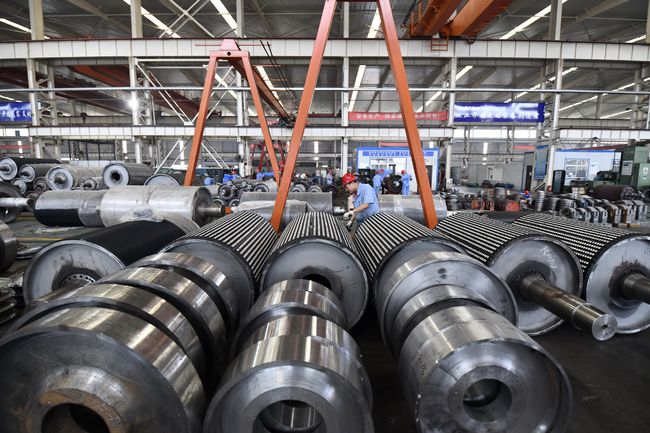 加工设备
加工设备
 摩擦试验机
摩擦试验机
 大型表征仪器
 小型测试设备