Combined molecular dynamics simulations with experimental results, this work revealed the tribological behavior of CoCrFeNiTi x (x=0.1, 0.3, 0.5) high-entropy alloy (HEAs) coatings at both macroscopic and microscopic scales. As the concentration of the large radius Ti atoms increased, a second phase with a hexagonal close packed (HCP) structure precipitated at the grain boundaries, because the solubility of Ti in the face centered cubic (FCC) matrix was limited. Owing to solid solution strengthening and second phase strengthening, the CoCrFeNiTi 0.5 coating exhibited the greatest resistance to plastic deformation, showing the highest hardness and the best wear resistance. The main wear mechanism of coating changes from adhesion wear to oxidation wear. The coating’s volumetric wear rate decreased from 2.98×10 −4 mm 3·N −1·m −1 to 7.32×10 −5 mm 3·N −1·m −1. In this study, experimental results and molecular dynamics (MD) simulations mutually validated one another. Analyses were performed not only at the macroscopic level to elucidate the coating’s wear mechanisms, but also systematically to characterize the atomistic plastic deformation processes that occurred during wear process. MD simulations were used to analyze the effects of solid solution strengthening, grain refinement strengthening and second phase strengthening on dislocation configurations and stress distributions within the coatings. The simulation results indicated that, as the concentration of dissolved Ti increased, the degree of lattice distortion in the model grew, which effectively suppressed free dislocation motion, reduced the number of active slip systems, and markedly improved the coating’s wear resistance. Compared with the FCC phase, fewer dislocations and fewer atoms removed by wear were generated inside the second phase, which was consistent with the experimentally observed post-wear morphology and thus corroborated the simulation results.
周老师: 13321314106
王老师: 17793132604


邮箱号码: lub@licp.cas.cn




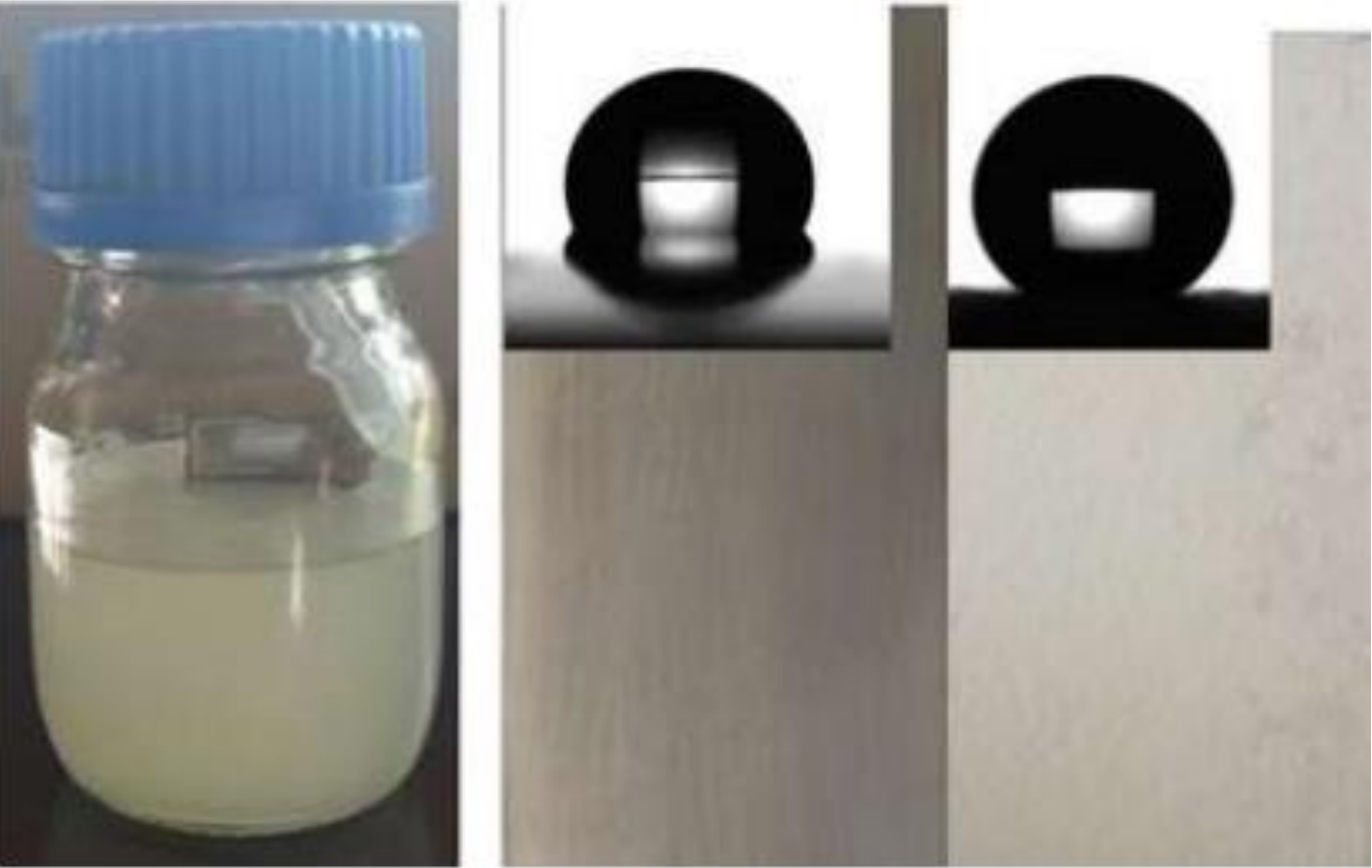
 润滑剂
润滑剂
 润滑油添加剂
 自润滑材料
自润滑材料
 密封材料
密封材料
 新兴材料
新兴材料
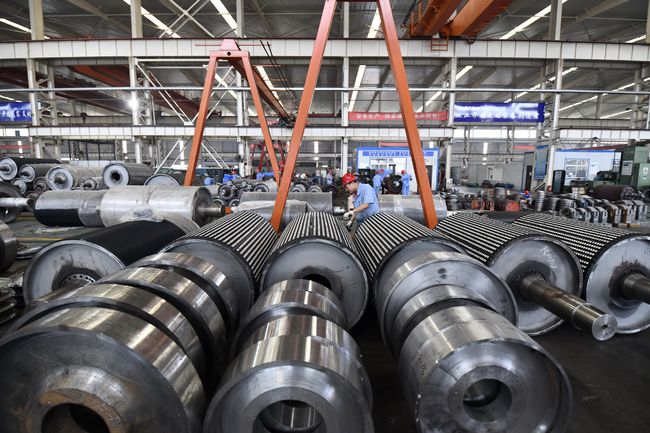 加工设备
加工设备
 摩擦试验机
摩擦试验机
 大型表征仪器
 小型测试设备