Common self-healing mechanisms rely on the diffusion of chemical entities across a fissure to rebuild the interface. As diffusion is temperature-controlled, cryogenic conditions are prohibitive to self-healing. Here we report a molecular crystal that heals at ambient and high temperature (298 and 423 K) but that is also capable of autonomous recovery at 77 K. The efficiency of this process depends on dipole–dipole interactions as the dominant mechanism that reduces the separation between the interfaces. Comparative optical transmission measurements confirm that healed crystals are approximately 99% transparent relative to the same material before cracking. This cryogenic self-healing capability is used to design an autonomously reparative, all-organic, crystalline optical transmission system and enables substantial recovery of the optical losses due to the material’s ability to recover after damage. This and possibly other similar materials overcome the natural limitations of macromolecular self-healing media at cryogenic temperatures, opening opportunities for developing materials that can operate practically indefinitely under extreme conditions.
周老师: 13321314106
王老师: 17793132604


邮箱号码: lub@licp.cas.cn




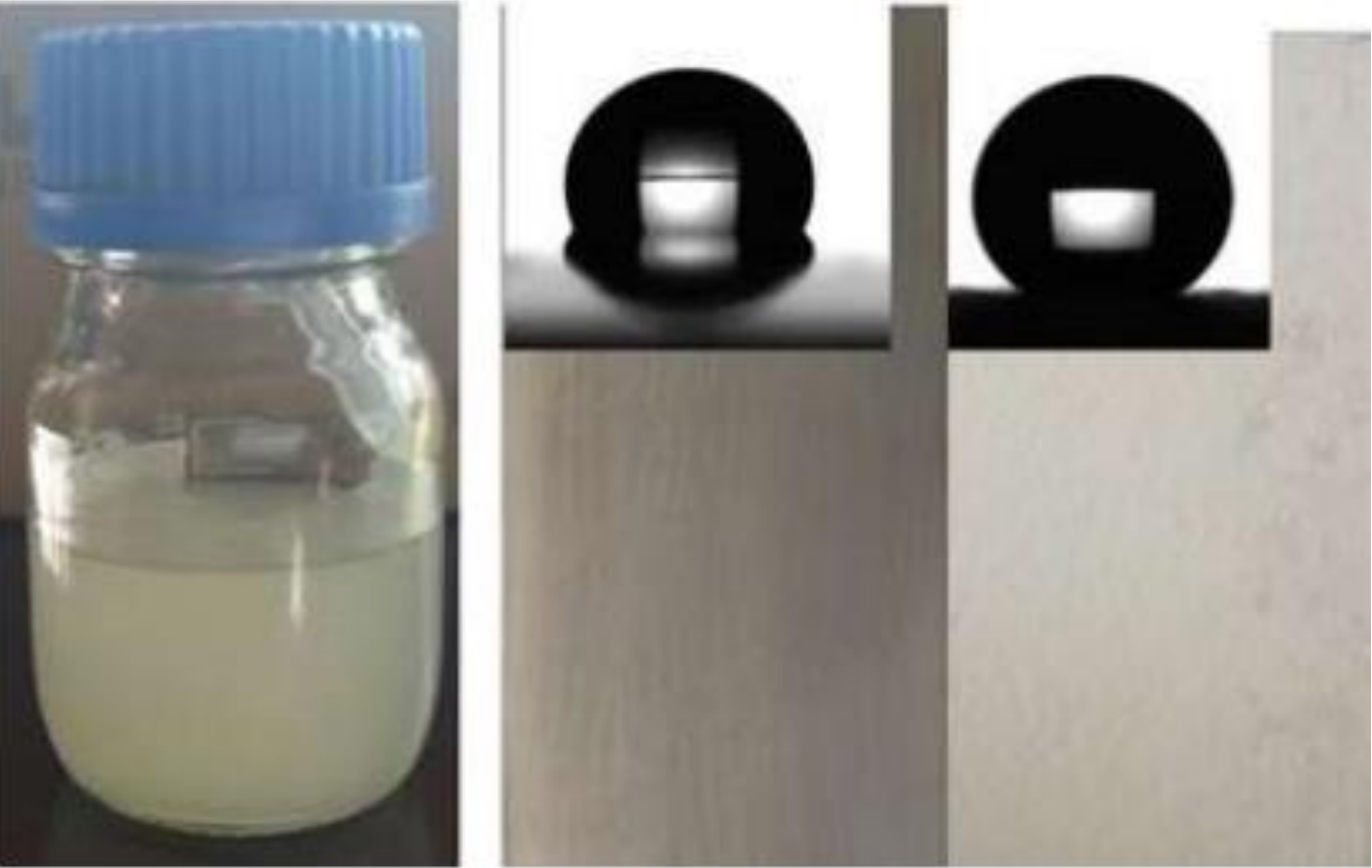
 润滑剂
润滑剂
 润滑油添加剂
 自润滑材料
自润滑材料
 密封材料
密封材料
 新兴材料
新兴材料
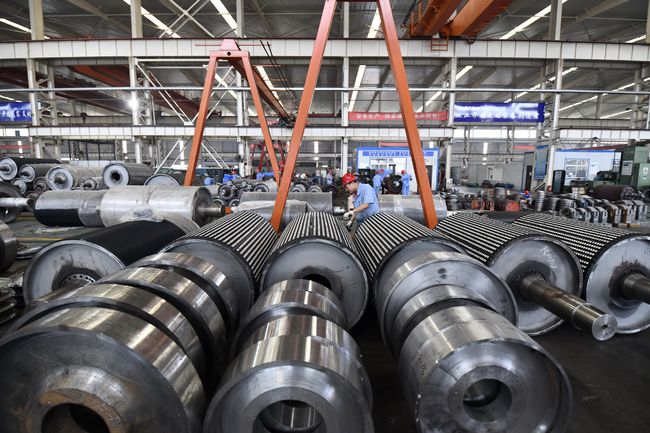 加工设备
加工设备
 摩擦试验机
摩擦试验机
 大型表征仪器
 小型测试设备