The reduction of elastohydrodynamic (EHD) friction has become increasingly important to improve the efficiency of mechanical components. This study investigated the effect of friction modifiers (FMs) on full-film EHD friction using a ball-on-disc tribometer to elucidate the underlying mechanisms by which FMs affect full-film EHD friction. It was found that glycerol monooleate (GMO) lowered full-film EHD friction more than glycerol tris(2-ethylhexanoate) (GTE). This effect became more pronounced with increasing concentration of FMs. Neutron reflectometry (NR) and in situ reflectance spectroscopy suggested that GMO formed a thicker and denser adsorption film on surfaces than GTE, correlating directly with full-film EHD friction reduction. One of the possible mechanisms is that FMs, particularly GMO, adsorb on surfaces and may form oleophobic planes, where methyl groups are aligned in the outermost region of the adsorption film. A bulk base oil may flow more easily on such planes due to an interfacial slip than on steel surfaces. This reduces full-film EHD friction. The insights obtained in this study can be used to the design of lubricants that reduce full-film EHD friction. Graphical Abstract
周老师: 13321314106
王老师: 17793132604


邮箱号码: lub@licp.cas.cn




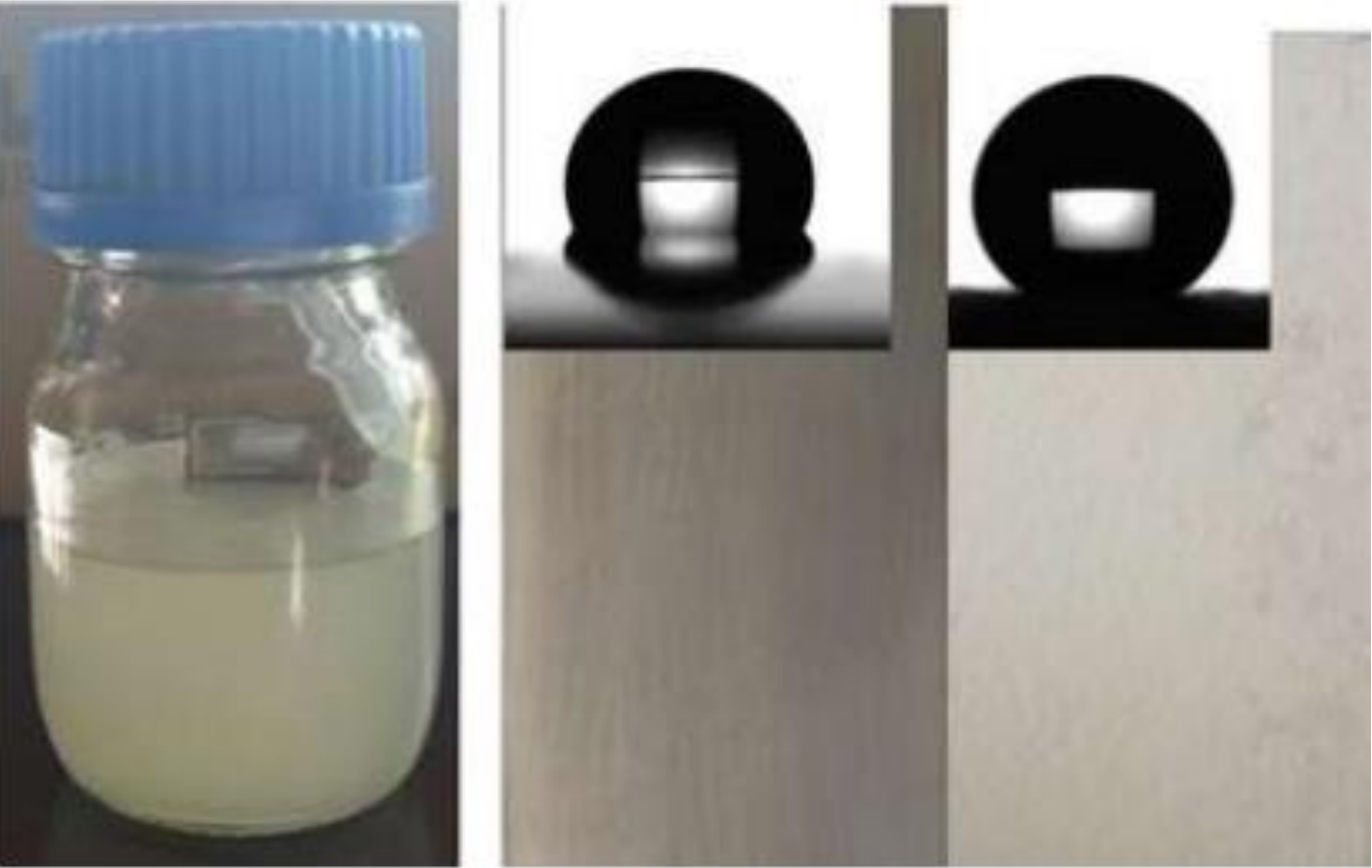
 润滑剂
润滑剂
 润滑油添加剂
 自润滑材料
自润滑材料
 密封材料
密封材料
 新兴材料
新兴材料
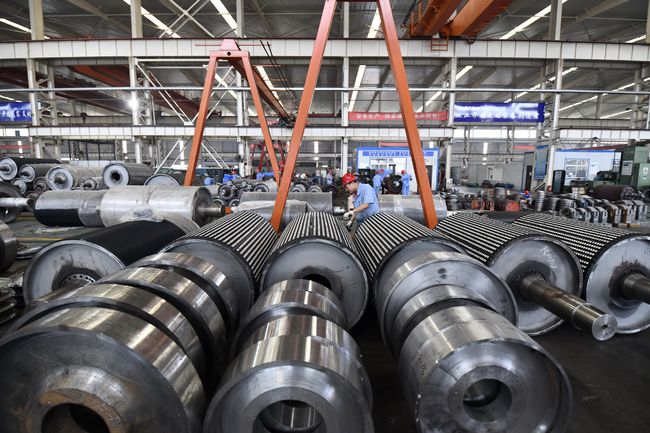 加工设备
加工设备
 摩擦试验机
摩擦试验机
 大型表征仪器
 小型测试设备