nitial housing wear-in is a key process to ensure high overall efficiency in most of the high pressure (more than 150 bar) external gear pumps and motors used in mobile applications. The internal profile of the housing resulting from the penetration of the gears during the initial wear-in directly affects the volumetric efficiency of the pump or motor in subsequent operation. Therefore, an accurate prediction of this wear-in profile and its post-wear-in effects on the volumetric efficiency is essential for a tool that simulates external gear machines. However, current state-of-the-art tools either neglect this aspect or make heavy simplifications. This paper presents the simulation approach to model wear-in considering the deformations of the components. The approach takes advantage of a previously developed model to determine the radial motion of the gears and includes consideration of the deformation of the gears, bushings, and housing. In addition, a new methodology is proposed to estimate leakages at the gear tip housing interface. The paper presents simulation results for a 22 cc/rev unit taken as reference, including breakdown of volumetric leakages, quantification of wear, and consequences of wear and deformation on the volumetric efficiency. The proposed approach is validated by comparing the simulation results with experimental measurements for the wear profiles and the volumetric efficiency.
周老师: 13321314106
王老师: 17793132604


邮箱号码: lub@licp.cas.cn




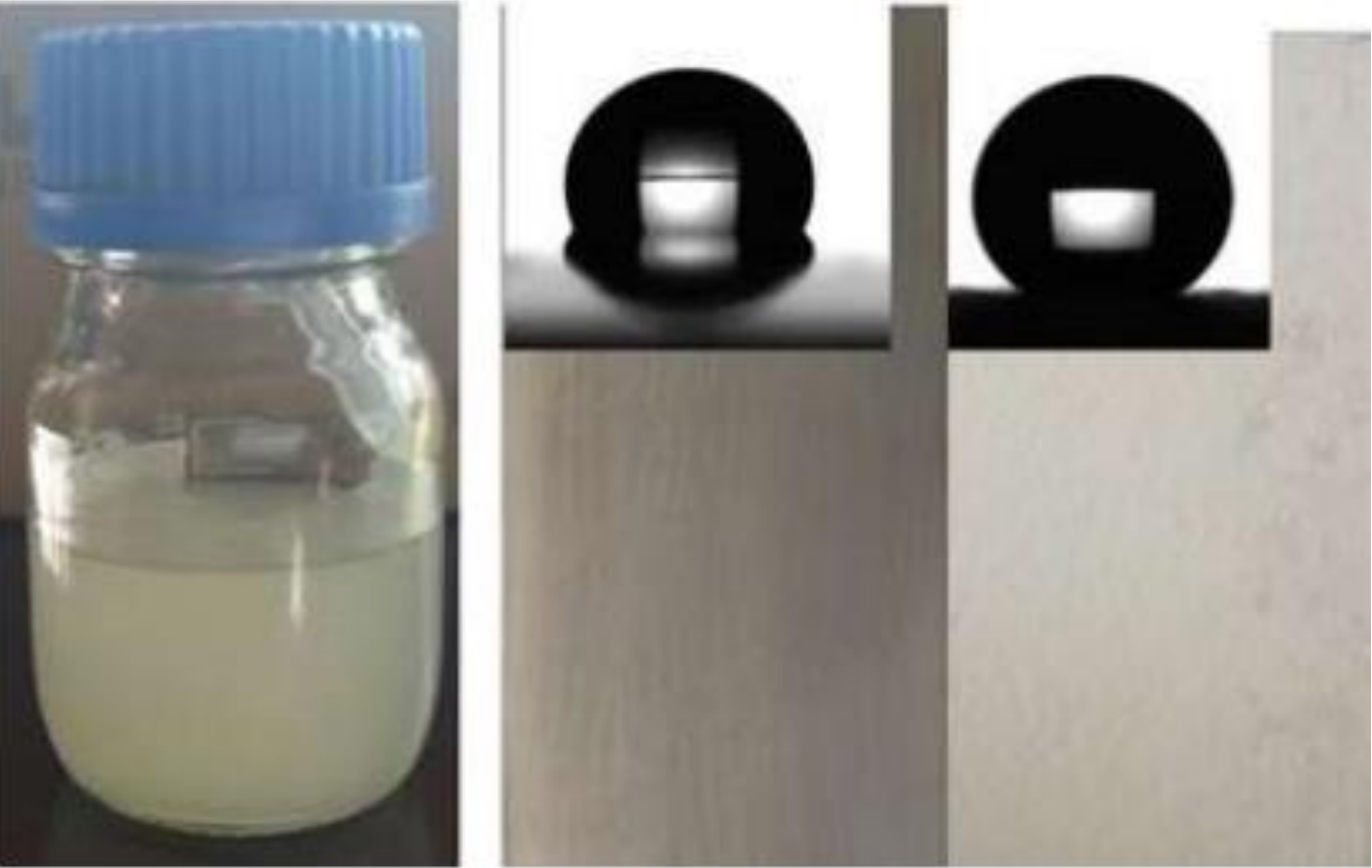
 润滑剂
润滑剂
 润滑油添加剂
 自润滑材料
自润滑材料
 密封材料
密封材料
 新兴材料
新兴材料
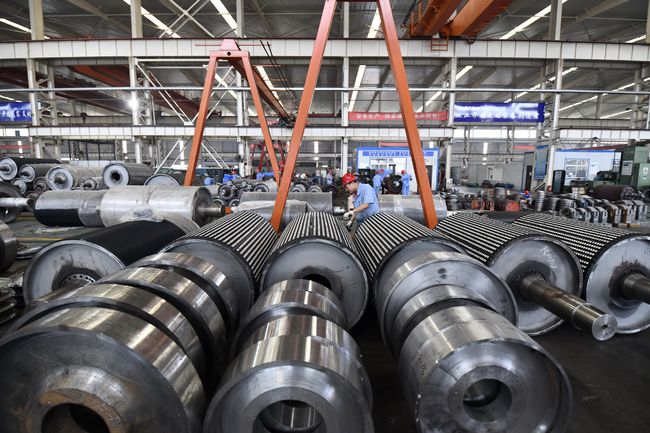 加工设备
加工设备
 摩擦试验机
摩擦试验机
 大型表征仪器
 小型测试设备