Abstract The article presents results of studies on the wear resistance of structural steels used to manufacture shafts for rotary positive‑displacement pumps. A characteristic feature of these pumps is the extremely small clearances between their working elements, on the order of about 10–25 µm, which depend on the amount of wear of the shafts at the bearing interfaces. Glow‑discharge nitriding (plasma nitriding) is the most efficient method for providing high wear resistance of parts. It is shown that one of the adverse phenomena during wear of the nitrided layer is the formation of abrasive particles as a result of spalling; these particles promote surface scoring of the bushing and, consequently, accelerate the wear process. The aim of the work was to investigate the wear resistance of steel that was glow‑discharge nitrided following preliminary processing by surface plastic deformation, medium‑energy ion implantation, magnetic‑pulse processing, and combined activation methods. The following surface activation regimes were used prior to ion nitriding: shot‑peening with steel microspheres 50–100 µm in diameter at speeds of 30–70 m/s; implanted ions—nitrogen; dose—1.3 × 10¹⁷ ions/cm2; dose rate—1 × 10¹⁵ ions/s; ion implantation energy – 25 keV. Magnetic‑pulse processing (MPP) was carried out with pulse energies from 2 to 8 kJ, pulse durations from 5 to 40 µs, and number of pulses from 2 to 5. It was shown that the most efficient preliminary surface‑activation method before nitriding is medium‑energy ion implantation, which allows increasing the wear resistance of the nitrided layer of 40Kh steel by a factor of 5.7 and of 40KhN steel by a factor of 4.5 compared with conventional ion nitriding.
周老师: 13321314106
王老师: 17793132604


邮箱号码: lub@licp.cas.cn




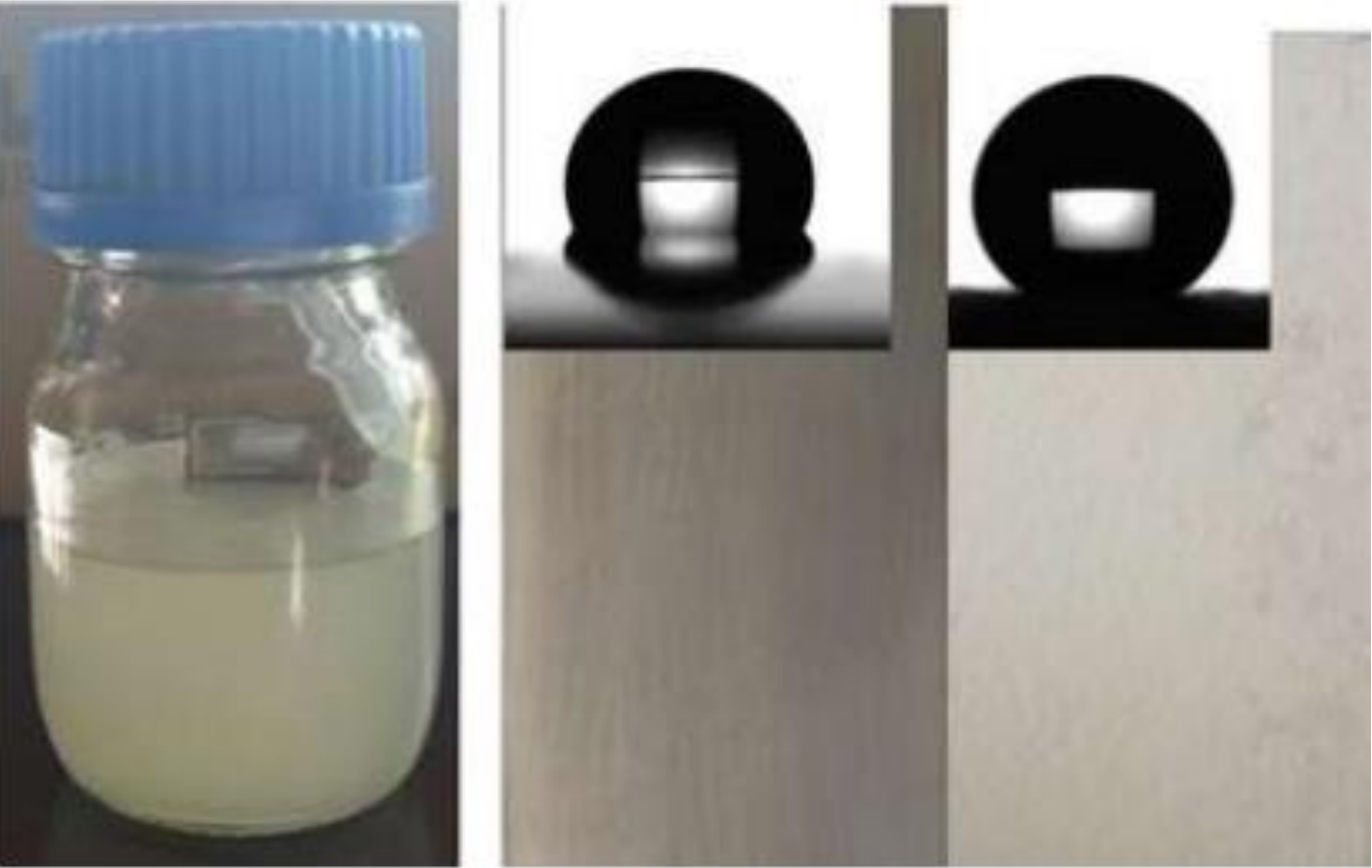
 润滑剂
润滑剂
 润滑油添加剂
 自润滑材料
自润滑材料
 密封材料
密封材料
 新兴材料
新兴材料
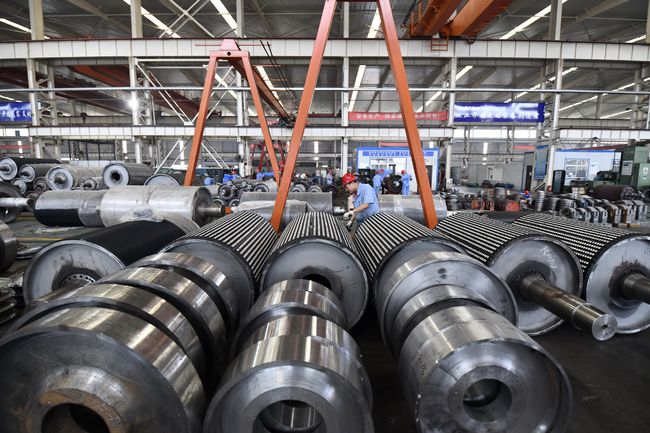 加工设备
加工设备
 摩擦试验机
摩擦试验机
 大型表征仪器
 小型测试设备