To investigate the influence of gradient structure on the tribological properties of coatings, this study compares the dry sliding behavior of gradient TiAlSiN, homogeneous TiAlSiN, and TiAlN coatings against GCr15 steel balls under loads of 10-40 N and sliding speeds of 10-40 m/min. The wear mechanisms were revealed through multi-scale characterization. Results show that the wear rates of all three coatings increase with increasing load and speed, while the gradient coating exhibits a more stable friction coefficient and a gentler increase in wear rate. Under conditions of 40 N and 20 m/min, its wear rate is reduced by 17.2% and 41.3% compared to homogeneous TiAlSiN and TiAlN coatings, respectively. In terms of failure modes, homogeneous TiAlSiN exhibits brittle spalling, while TiAlN suffers from poor wear resistance due to low hardness. The superior performance of the gradient coating originates from its gradual microstructural and mechanical transitions. Finite element modeling (FEM) confirms that this design effectively mitigates stress concentrations, leading to enhanced load-bearing capacity and a reduced risk of interfacial delamination. Abrasive wear is the dominant mechanism for all coatings under low load and speed, while the synergistic effect of adhesive wear and oxidative wear becomes predominant under high load and speed. This study confirms that gradient structure design can significantly enhance wear resistance of coating, providing theoretical support for coating development under extreme operating conditions.
周老师: 13321314106
王老师: 17793132604


邮箱号码: lub@licp.cas.cn




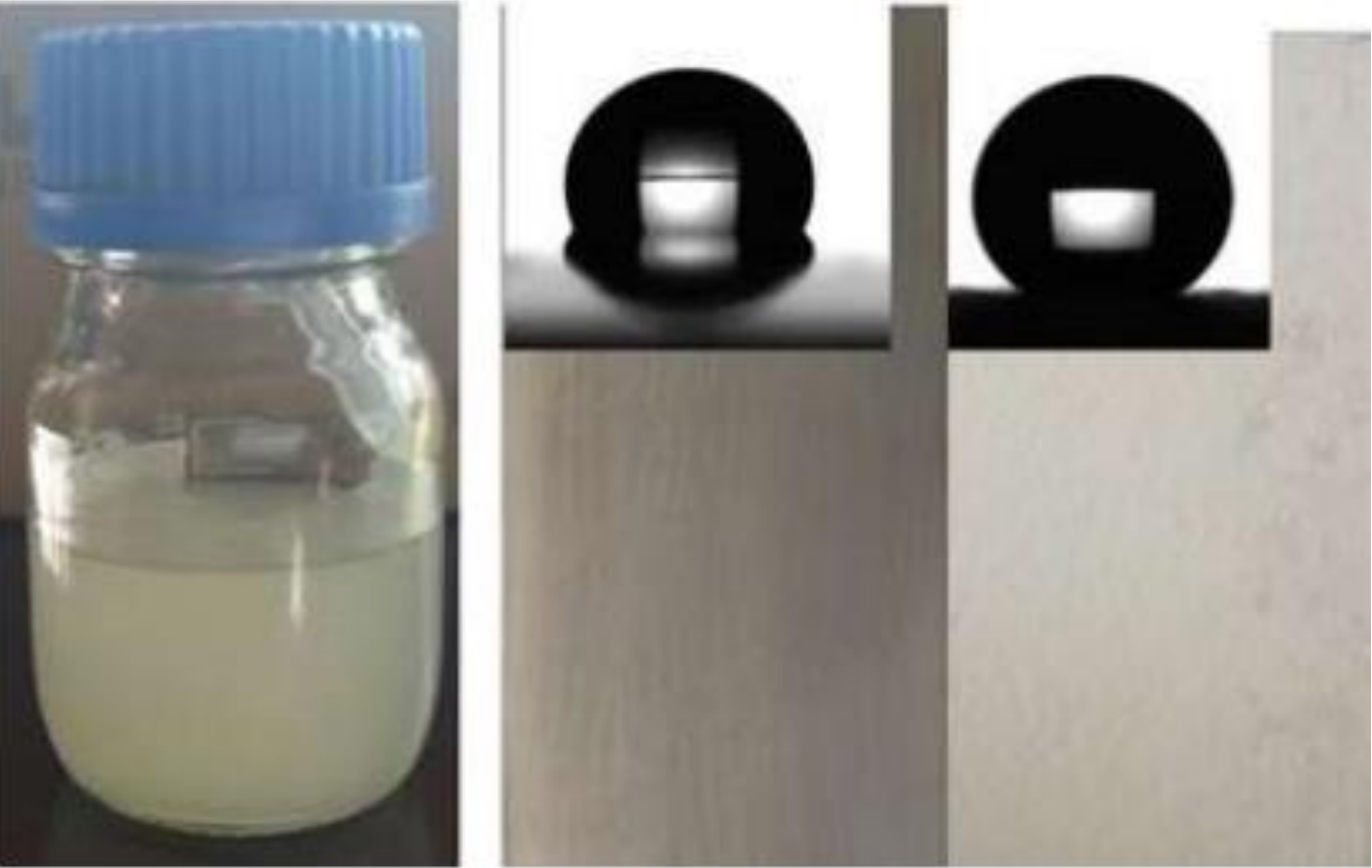
 润滑剂
润滑剂
 润滑油添加剂
 自润滑材料
自润滑材料
 密封材料
密封材料
 新兴材料
新兴材料
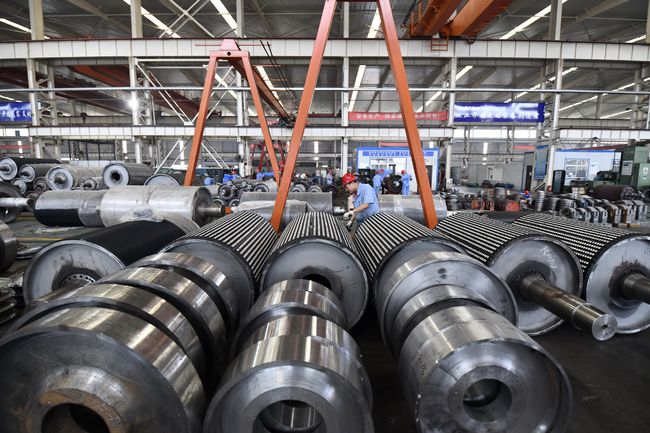 加工设备
加工设备
 摩擦试验机
摩擦试验机
 大型表征仪器
 小型测试设备