In this work, the synergistic wear mechanisms in a martensitic steel reinforced with (Fe, Cr) 7C 3 carbide particles were revealed. Matrix hardness was tailored through controlled quenching, and wear performance was assessed under both three-body (rubber wheel) and two-body (pin-on-disk) abrasive conditions. Microstructural characterization using scanning electron microscopy (SEM), electron probe microanalysis (EPMA), and white-light interferometry (WLI) revealed that the wear-resistant phase is predominantly composed of fine secondary carbides (<4 μm), alongside larger eutectic carbides. The carbide-reinforced steel demonstrates not only superior wear resistance compared to a homogeneous steel of the same hardness, but also a further increase in wear resistance with higher matrix hardness, revealing a clear synergistic effect. Notably, this synergy is much stronger under three-body than under two-body abrasion. Compared to high-chromium cast iron of similar hardness, the two materials display opposite performance trends in the two wear modes, which is attributed to the detrimental effect of large carbides in two-body wear. A simplified predictive model was developed to quantitatively validate this hardness–carbide synergy. This work provides mechanistic insights for designing advanced wear-resistant composites through optimized interplay between matrix hardness and carbide characteristics.
周老师: 13321314106
王老师: 17793132604


邮箱号码: lub@licp.cas.cn




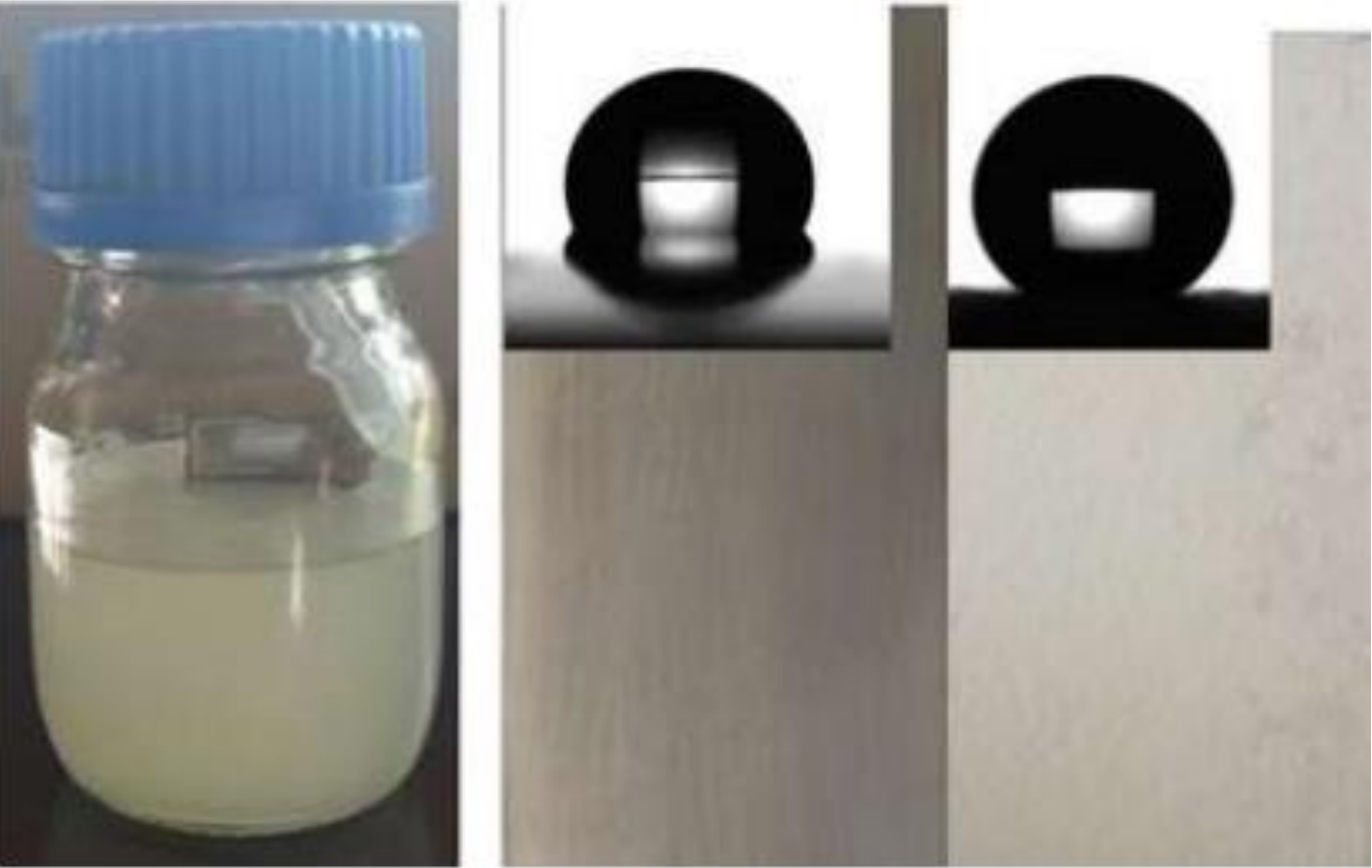
 润滑剂
润滑剂
 润滑油添加剂
 自润滑材料
自润滑材料
 密封材料
密封材料
 新兴材料
新兴材料
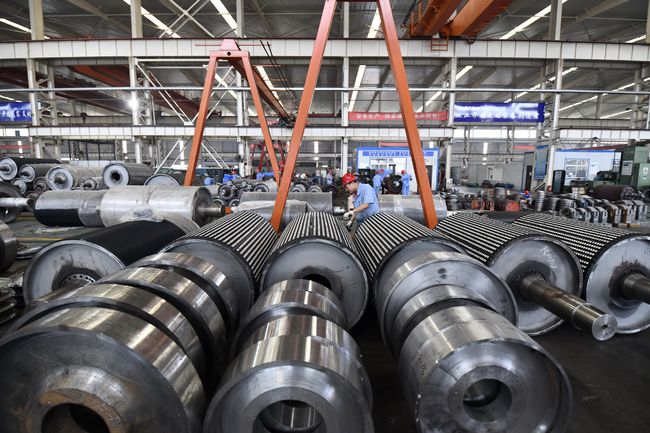 加工设备
加工设备
 摩擦试验机
摩擦试验机
 大型表征仪器
 小型测试设备