WSe 2 exhibits excellent potential for reducing friction and resisting wear, making it suitable for application as a solid lubricant. In this study, the tribological properties of Cu coated with WSe 2 layers of varying thicknesses were investigated via nanoscale molecular dynamics simulations. Indentation tests were conducted on WSe 2-coated Cu with 0-3 layers to explore its mechanical response. Additionally, scratching processes at different indentation depths were performed, and the nanoscale friction morphology, mechanical response, defect propagation, and stress distribution were analyzed. The simulation results indicate that during the indentation process, the protective effect of WSe 2 coatings enhances with an increase in the number of layers. During scratching at small indentation depths, multilayer WSe 2 enables stick-slip friction to persist to a greater indentation depth as the number of WSe 2 layers increases. At relatively large scratching depths, an increase in the number of layers leads to initial fracture of the top atomic layer; due to stress release, the bottom WSe 2 layer undergoes rebound, which mitigates the impact of plastic damage on the Cu substrate. Furthermore, the failure mode of the topmost WSe 2 layer differs between monolayer and multilayer systems: in monolayer systems, WSe 2 mainly fails via zigzag-direction crack propagation and wrinkle formation; in multilayer systems, it tends to fracture into debris, as the interlayer interaction is stronger than that at the WSe 2/Cu interface. This work provides important theoretical support for the design of wear-resistant WSe 2 coatings, which are expected to be applied to small-scale components in micro/nanoelectromechanical systems (MEMS/NEMS).
周老师: 13321314106
王老师: 17793132604


邮箱号码: lub@licp.cas.cn




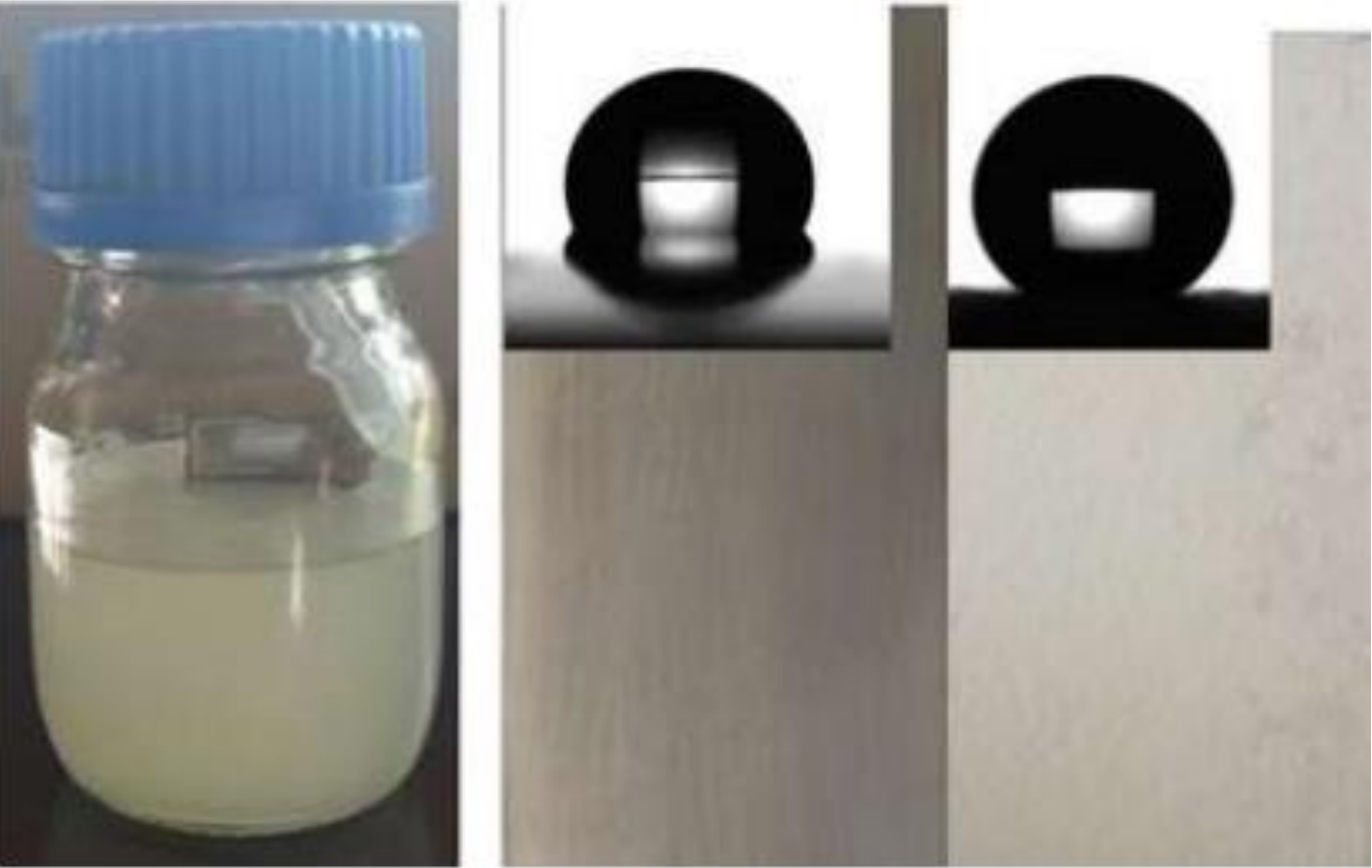
 润滑剂
润滑剂
 润滑油添加剂
 自润滑材料
自润滑材料
 密封材料
密封材料
 新兴材料
新兴材料
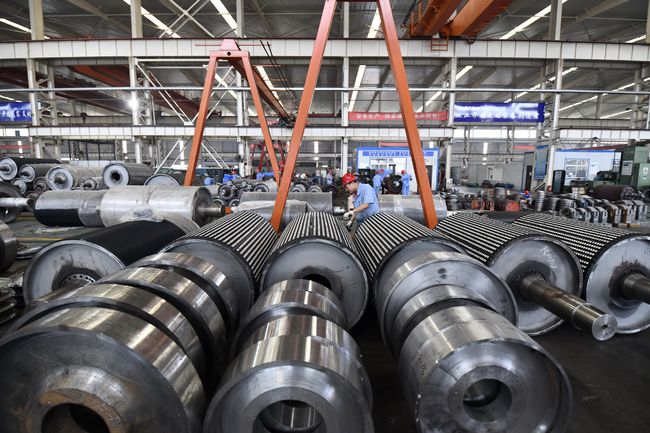 加工设备
加工设备
 摩擦试验机
摩擦试验机
 大型表征仪器
 小型测试设备