This study presents a comprehensive investigation of electrical discharge machining (EDM) applied to Al-SiC metal matrix composites (MMCs), focusing on the comparative performance of copper and graphite tool electrodes. Material removal rate (MRR) and tool wear rate (TWR) were considered as the primary response variables, while current, pulse-on time (TON), and pulse-off time (TOFF) served as the controlling parameters. A Box–Behnken experimental design was employed to construct the design matrix, and analysis of variance (ANOVA) was used to evaluate the statistical significance of the process variables. Results indicate that both current and TON exert a strong influence on MRR and TWR, whereas increasing TOFF consistently reduces TWR for both electrodes. Overall, copper electrodes demonstrated superior machinability, offering up to 18% higher MRR and 25% lower TWR compared to graphite. These findings establish copper as a more efficient tool material for EDM of Al–SiC MMCs and provide practical guidelines for optimizing EDM parameters to enhance productivity and reduce tool wear in composite machining applications.
周老师: 13321314106
王老师: 17793132604


邮箱号码: lub@licp.cas.cn





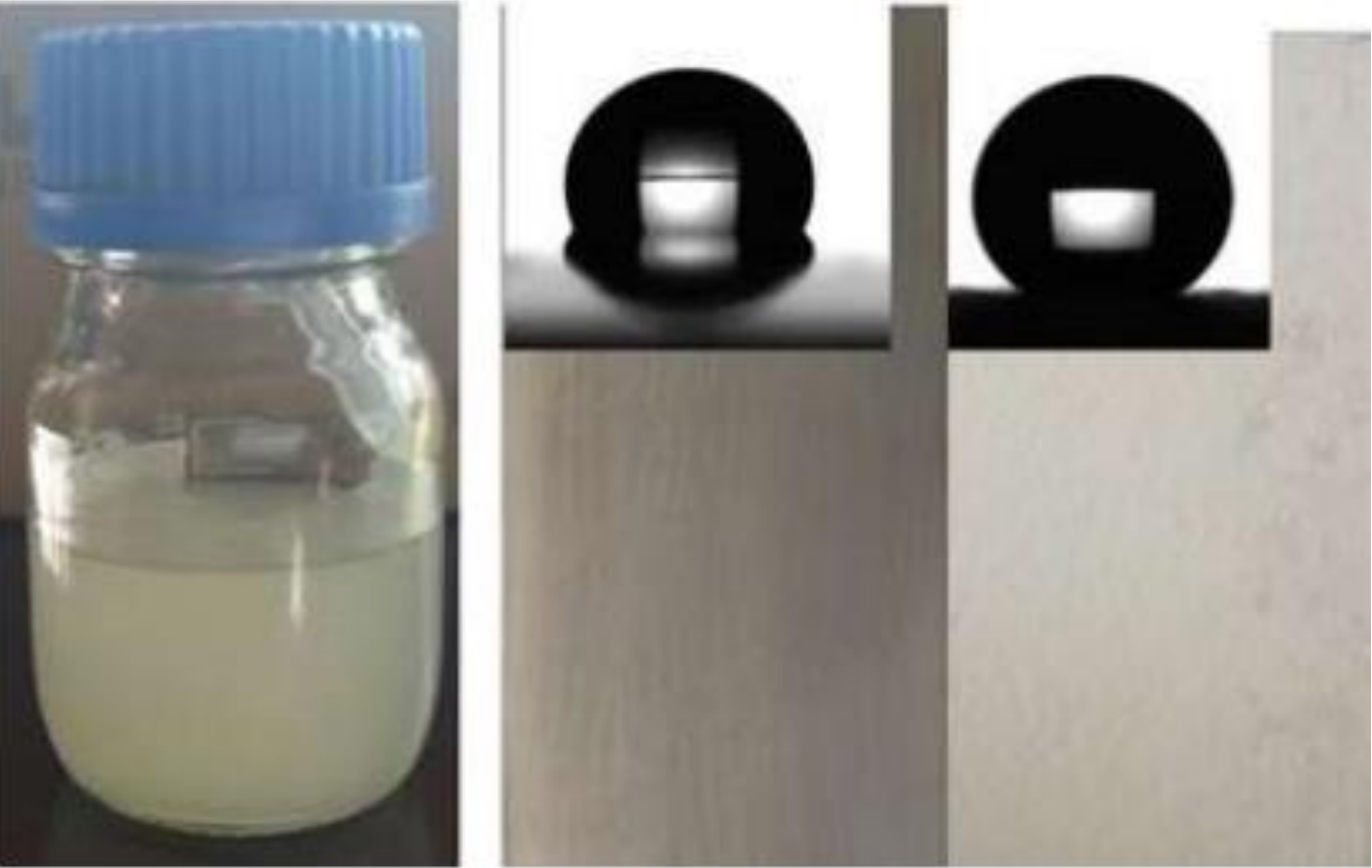
 润滑剂
润滑剂
 润滑油添加剂
 自润滑材料
自润滑材料
 密封材料
密封材料
 新兴材料
新兴材料
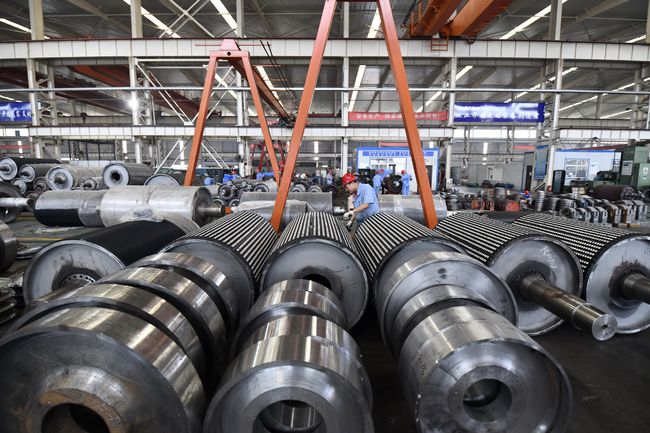 加工设备
加工设备
 摩擦试验机
摩擦试验机
 大型表征仪器
 小型测试设备