Friction rolling additive manufacturing (FRAM) is a solid-state forming technology for high-strength aluminum alloys with broad application prospects. However, interlayer heat accumulation readily leads to grain coarsening and mechanical property degradation. To address this issue, a Sequential Immersion Water Cooling assisted friction rolling additive manufacturing strategy (FRAM-SIWC) is proposed for Al-Zn-Mg-Cu alloys to achieve microstructural and mechanical property control. Results demonstrate that FRAM-SIWC reduces the peak deposition temperature from 476.4℃ to 410.2°C, increases the cooling rate from 2.36 °C/s to 7.82 °C/s, and maintains a stable bottom thermal cycle temperature of approximately 110.3°C-approaching the artificial aging temperature for Al-Zn-Mg-Cu alloys. Moderate cooling suppressed excessive dynamic recovery while promoting dynamic recrystallization. The average grain sizes at the top and bottom of FRAM-SIWC specimens were 2.37 μm and 2.38 μm, respectively, with refinement rates of 27.4% and 41.1%. Regarding mechanical properties: The ultimate tensile strength/yield strength of the top and bottom sections of the FRAM-SIWC specimens reached 424/334 MPa and 406/302 MPa, respectively, representing increases of 13.1% and 37.4% (top) and 45.5% and 111.9% (bottom) compared to the FRAM specimens. The corresponding elongation values were 10.5% and 15.5%. The FRAM-SIWC process achieves grain refinement and performance enhancement by optimizing cooling rates and thermal cycling characteristics, providing a novel technical approach for thermal management in solid-state additive manufacturing of high-strength aluminum alloys.
周老师: 13321314106
王老师: 17793132604


邮箱号码: lub@licp.cas.cn




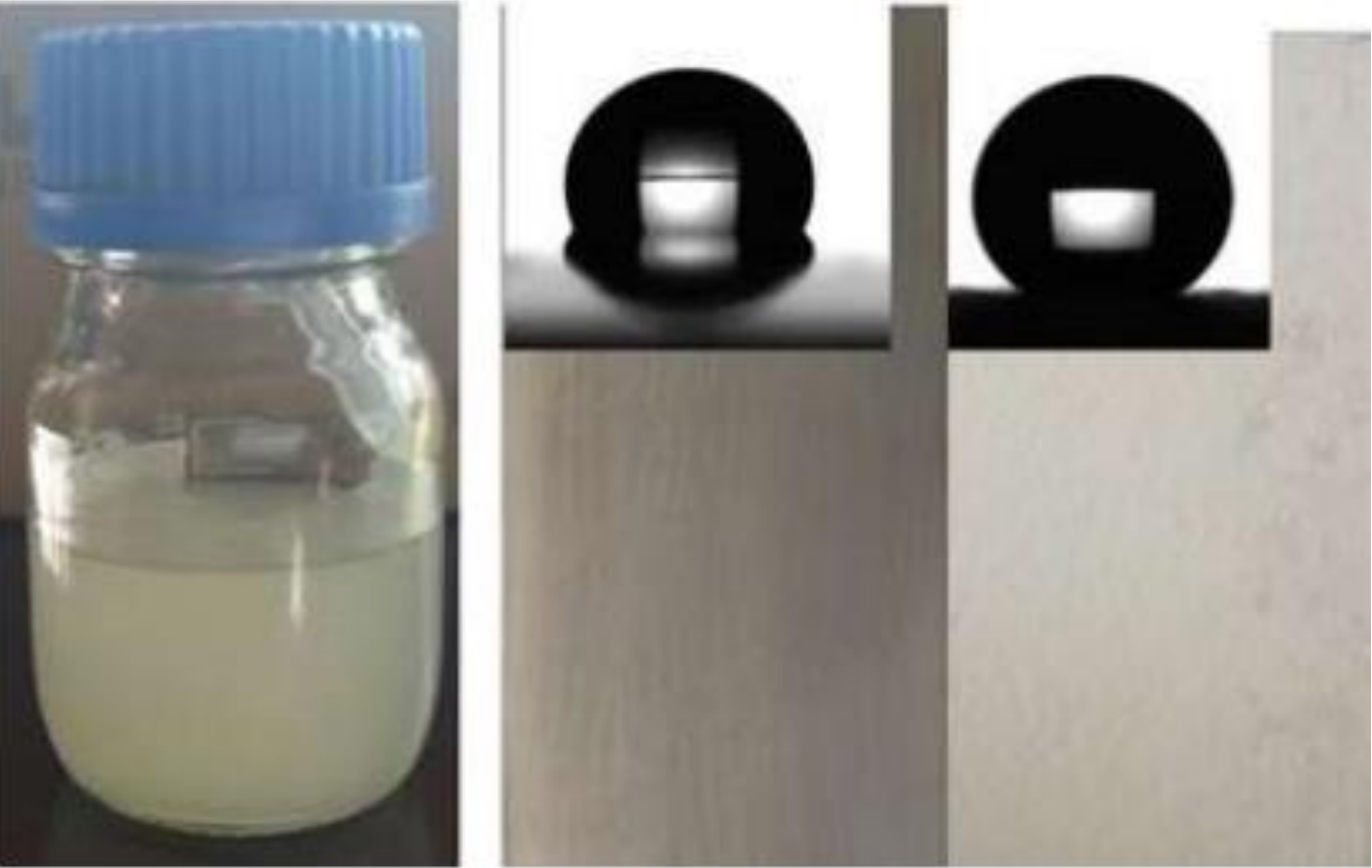
 润滑剂
润滑剂
 润滑油添加剂
 自润滑材料
自润滑材料
 密封材料
密封材料
 新兴材料
新兴材料
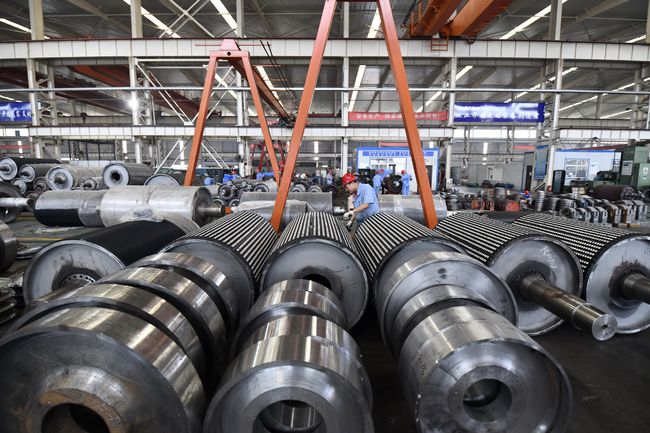 加工设备
加工设备
 摩擦试验机
摩擦试验机
 大型表征仪器
 小型测试设备