Utilizing the lattice distortion effect and cocktail effect of high-entropy alloys, wear-resistant and corrosion-resistant CoCrNiTi x(x=0~1) laser cladding coatings were designed and fabricated. The study focuses on investigating the influence of varying Ti content on the microstructural evolution of the coatings, as well as the intrinsic correlations between hardness, wear resistance, corrosion resistance, with microstructure. Microstructurally, due to atomic size differences, the addition of Ti induced significant lattice distortion. When the molar ratio of Ti exceeded 0.4, driven by both reaction thermodynamics and kinetics, numerous Ni 3Ti-HCP phases with low formation enthalpy began to form in the coating, accompanied by the precipitation of Cr-rich BCC phases. As the Ti molar ratio surpassed 0.8, higher Ti concentrations triggered a secondary phase transformation, leading to the emergence of (Co,Cr,Ni) 2Ti-HCP structured Laves phases in the coating. In terms of performance, with the increase of Ti content, the wear resistance and corrosion resistance of the coating exhibits a trend of initial improvement followed by deterioration. Regarding wear resistance, when the Ti molar ratio reached 0.6, the coating exhibited the best wear resistance, which was 13.00 times higher than that of CoCrNi. The predominant factors leading to the degradation of performance in Ti-containing coatings were the extensive formation of Ni 3Ti, Cr-rich BCC, and Laves phases, as well as cracks induced by intense phase transformations. In terms of corrosion resistance, the formation of free Cr-rich BCC phases was identified as a key factor accelerating the corrosion damage of the coating.
周老师: 13321314106
王老师: 17793132604


邮箱号码: lub@licp.cas.cn




 润滑剂
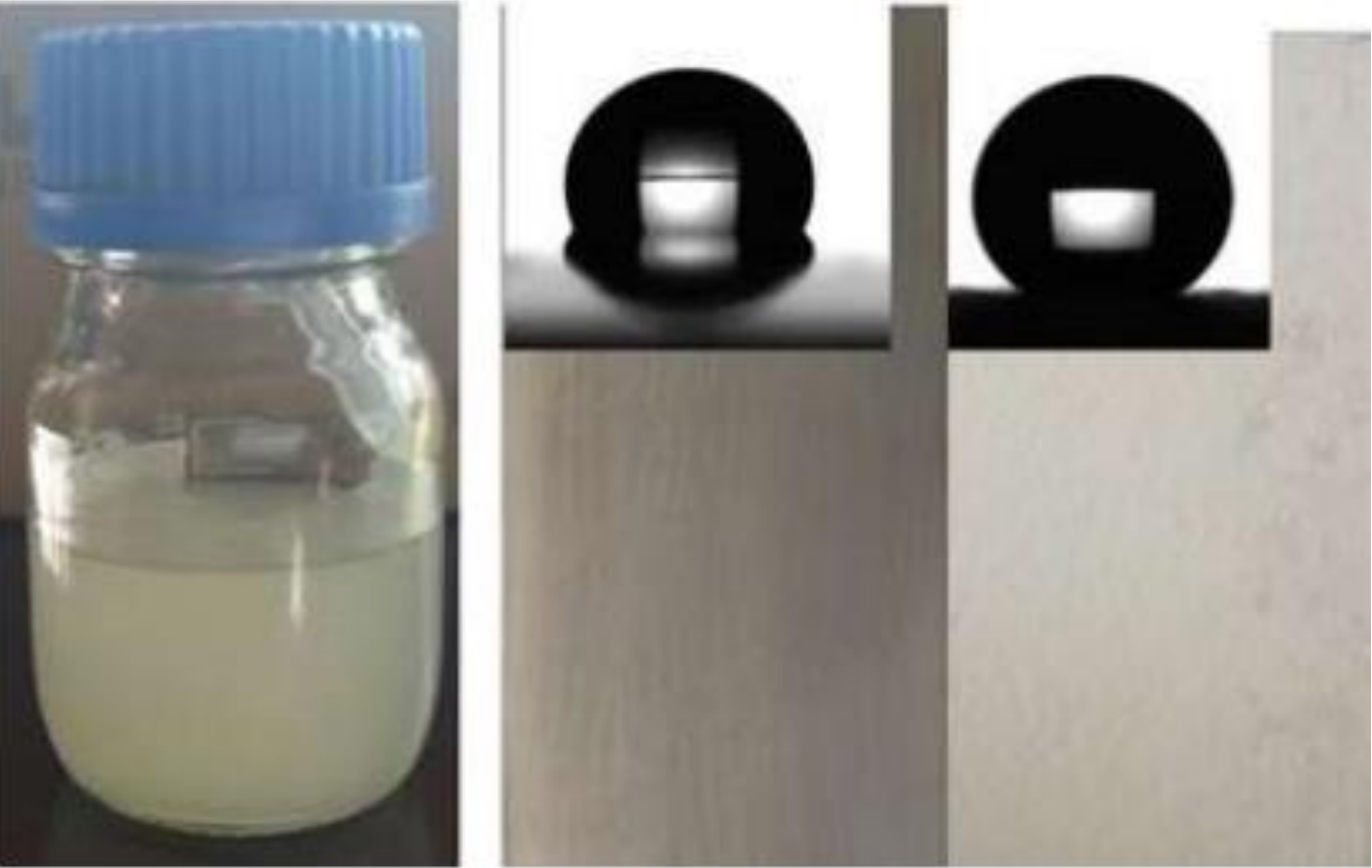
润滑剂
 润滑油添加剂
 自润滑材料
自润滑材料
 密封材料
密封材料
 新兴材料
新兴材料
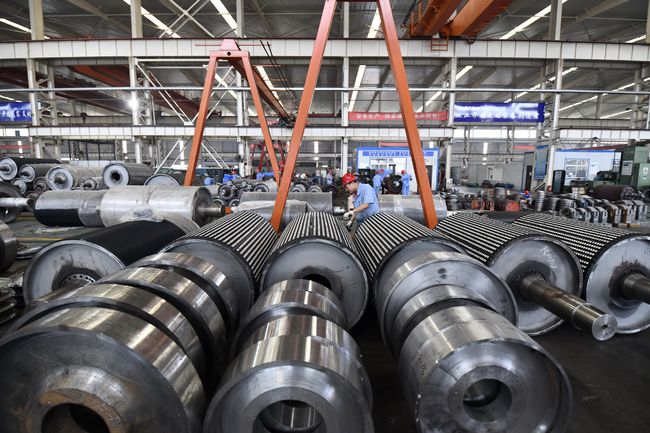 加工设备
加工设备
 摩擦试验机
摩擦试验机
 大型表征仪器
 小型测试设备