This study investigates the effects of four cooling/lubrication strategies (Dry, MQL, Cryogenic and Cryo-MQL) on the machinability of Inconel 718 during milling at cutting speeds of 40, 60 and 90 m/min. Power consumption, surface roughness, tool wear and chip morphology were systematically evaluated under constant feed rate and depth of cut. The results demonstrate that both cutting speed and cooling/lubrication strategy significantly influence machinability performance. Dry cutting resulted in the highest power consumption and the most severe tool wear due to excessive thermal and tribological loads. In contrast the Cryo-MQL strategy achieved up to 10% energy savings at low cutting speeds and exhibited consistently reduced tool wear across the investigated cutting conditions. Cryogenic cooling improved surface integrity at low cutting speeds while comparable surface roughness values were obtained for all strategies at higher cutting speeds due to improved thermal stability. Overall the findings indicate that Cryo-MQL provides favorable performance trends and practical advantages for milling of Inconel 718 by simultaneously reducing thermal and tribological effects within the investigated parameter range.
周老师: 13321314106
王老师: 17793132604


邮箱号码: lub@licp.cas.cn





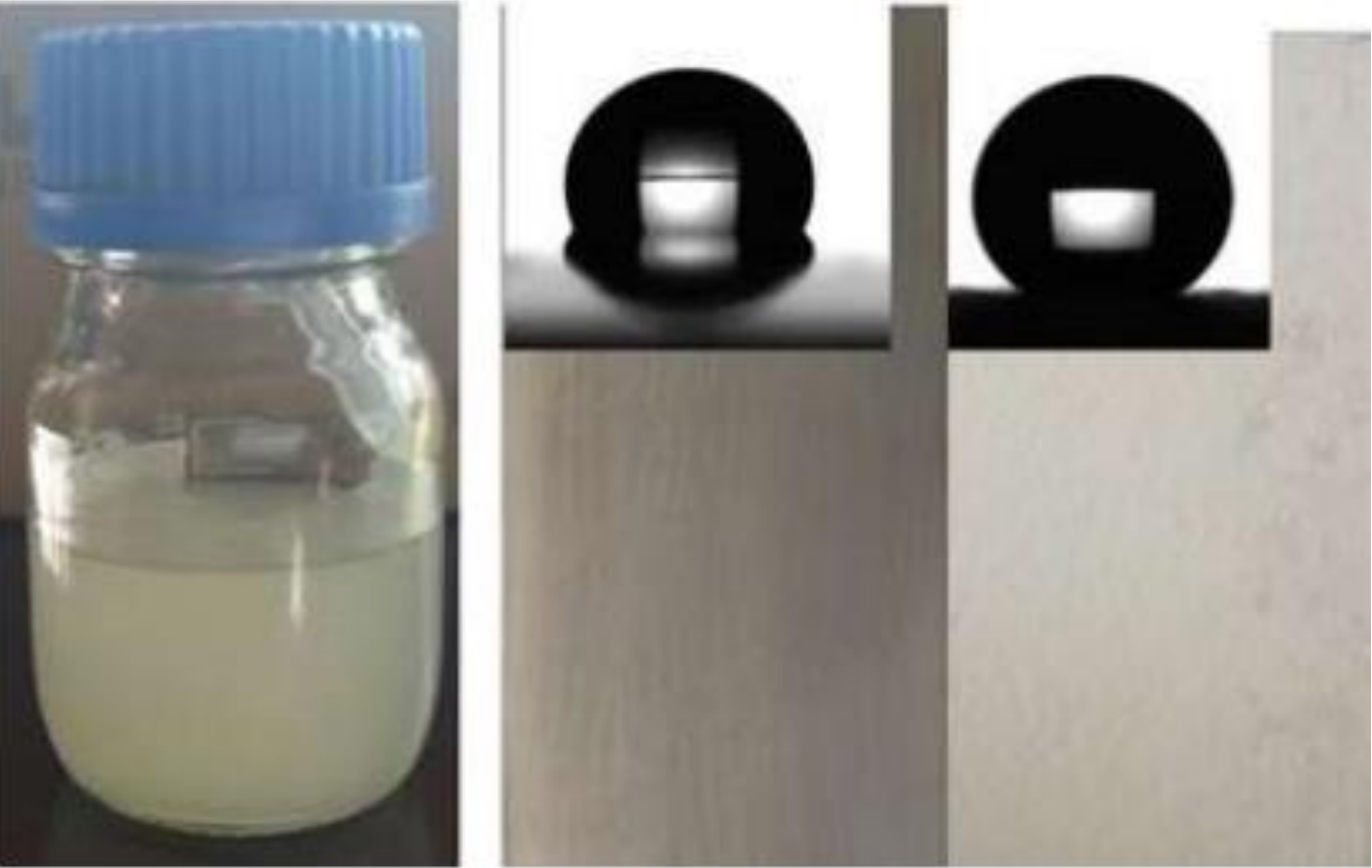
 润滑剂
润滑剂
 润滑油添加剂
 自润滑材料
自润滑材料
 密封材料
密封材料
 新兴材料
新兴材料
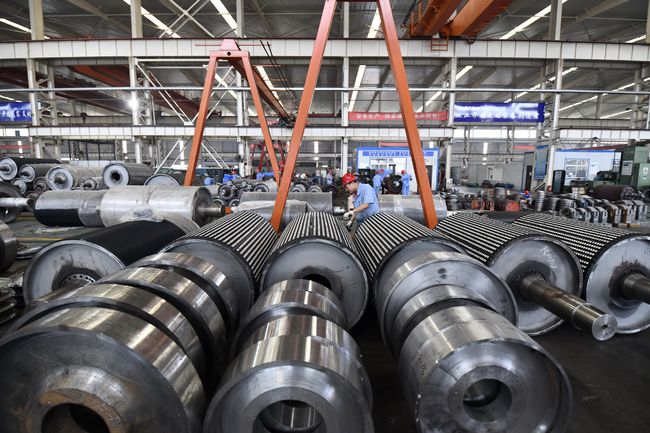 加工设备
加工设备
 摩擦试验机
摩擦试验机
 大型表征仪器
 小型测试设备