PETG (Polyethylene Terephthalate Glycol)–Carbon Fiber composites fabricated using fused deposition modeling are emerging as promising alternatives for lightweight UAV structures; however, their performance is strongly influenced by internal infill architecture and structural design. From an initial set of 21 infill patterns, five mechanically efficient patterns (Tri-Hexagon, Triangle, Support Cubic, Rectilinear, and Quarter Cubic) were shortlisted and evaluated through tensile, wear, impact, and hardness tests. Rectilinear infill exhibited the highest tensile strength (35 N/mm2) and superior wear resistance under loads up to 30 N, while Quarter Cubic showed comparable tensile performance (34 N/mm2). Support Cubic infill demonstrated the highest impact energy absorption (6.5 J), outperforming other patterns by more than 60%, whereas Tri-Hexagon and Rectilinear infills yielded the highest hardness values (73 Shore D). Based on this quantitative assessment, the Support Cubic pattern was selected for fabricating a full-scale PETG–carbon fiber drone frame using generative design. Drop tests revealed that the optimized frame withstood impacts up to 12 m (23.5 J), exceeding the failure threshold of a conventional carbon frame. This study identifies the support cubic infill as the best-performing architecture for PETG–carbon fiber composites, exhibiting superior tensile strength, impact resistance, and stiffness compared to other evaluated patterns, making it particularly suitable for lightweight UAV frame applications. These results demonstrate that strategic infill pattern selection enables PETG–carbon fiber composites to achieve application-specific mechanical advantages, offering a cost-effective and impact-resistant alternative for UAV frame structures.
周老师: 13321314106
王老师: 17793132604


邮箱号码: lub@licp.cas.cn





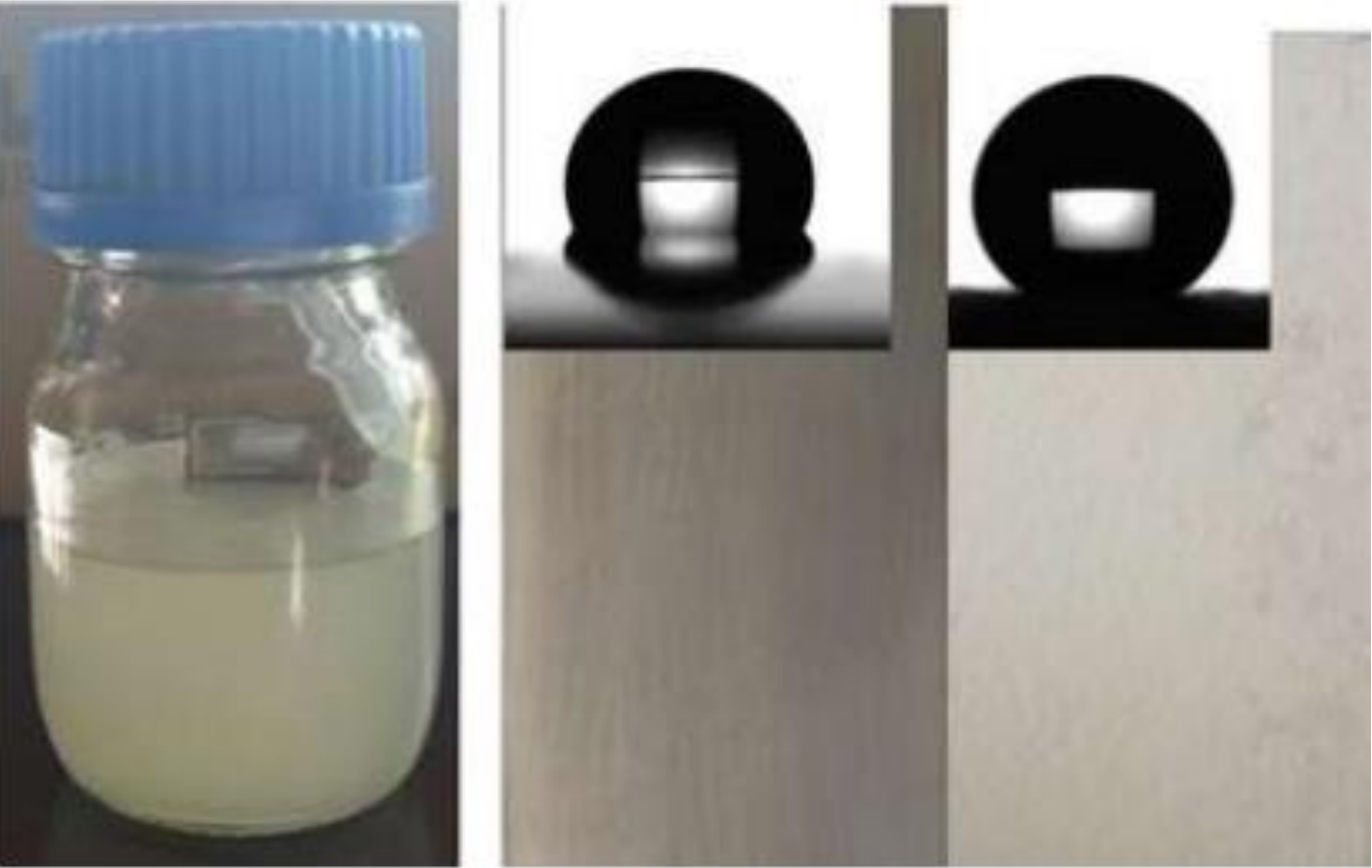
 润滑剂
润滑剂
 润滑油添加剂
 自润滑材料
自润滑材料
 密封材料
密封材料
 新兴材料
新兴材料
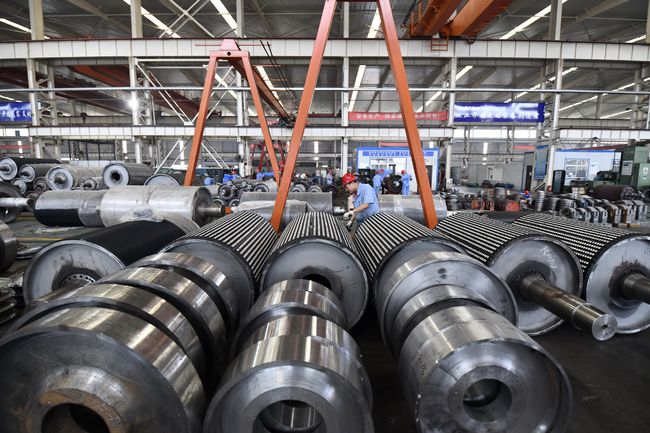 加工设备
加工设备
 摩擦试验机
摩擦试验机
 大型表征仪器
 小型测试设备