High frequency ultrasound has been utilized for a long-term and in-situ wear monitoring of journal bearing coatings. However, during the actual operation, the wear scar and the surface profile always change dynamically, which can lead to an inaccurate result, especially at the early-stage of wear generation. In this article, the ultrasound behaviour of early-state wear is initially investigated by the numerical models. Then, the early-state wear is simulated through the indentation experiments of marine bearing samples and measured by active ultrasound. A recognition method based on one-dimensional convolutional neural network (1D CNN) is applied to identify various indentations from undamaged surfaces. Additionally, the 1D CNN model is also applied to surface damage recognition and shows a satisfactory performance, using an ultrasound in-situ measurement dataset of aluminium alloy coated samples. The result shows the 1D CNN model can effectively identify the indentations even if the ultrasound shows an undamaged indication, and it also can separate the damaged surface from the undamaged results. Generally, this technique can work as an auxiliary toolbox in an automated monitoring of journal bearing damage and make early warning in unmanned environments.
周老师: 13321314106
王老师: 17793132604


邮箱号码: lub@licp.cas.cn





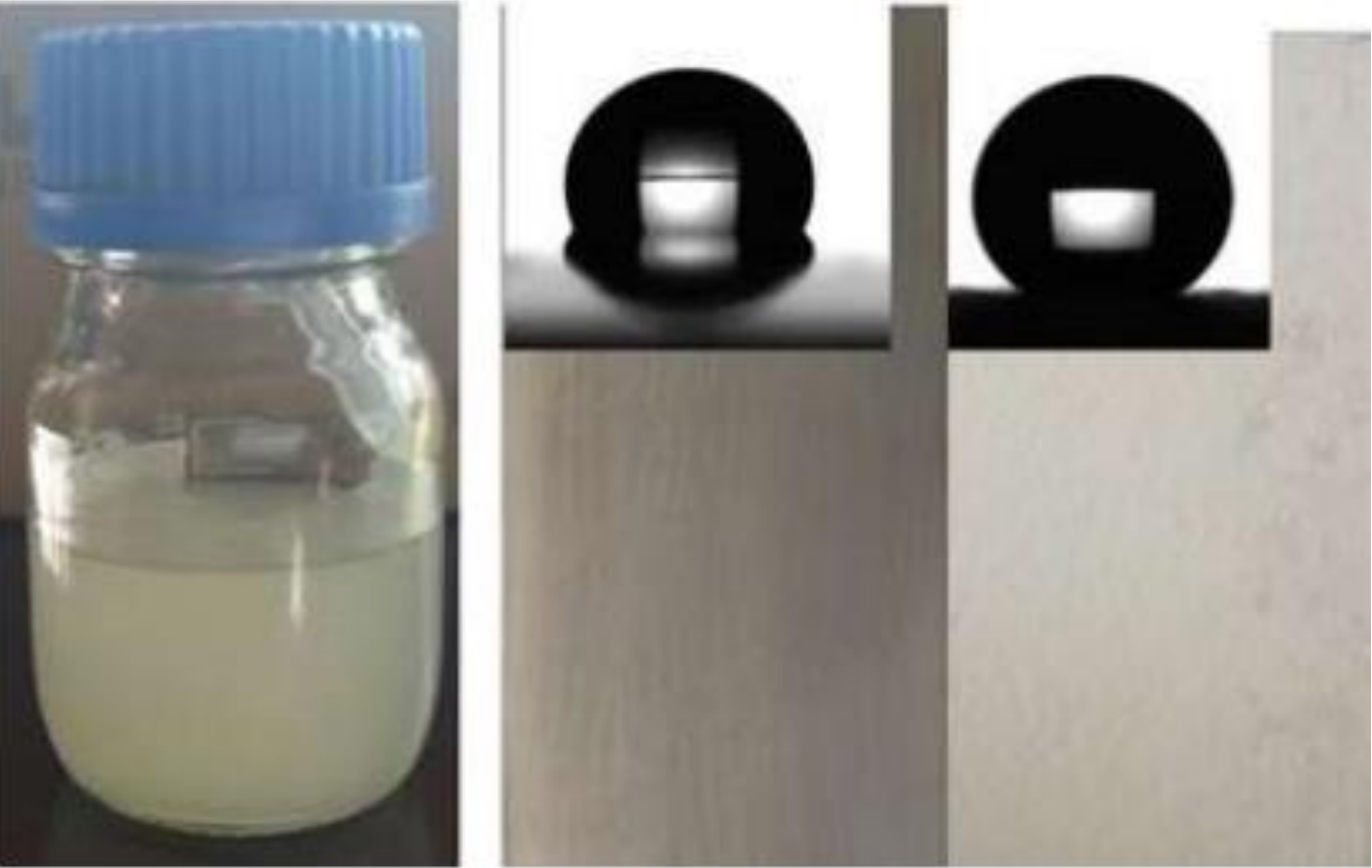
 润滑剂
润滑剂
 润滑油添加剂
 自润滑材料
自润滑材料
 密封材料
密封材料
 新兴材料
新兴材料
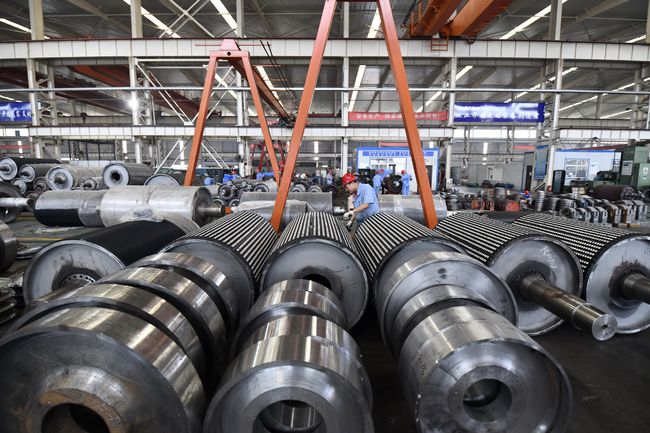 加工设备
加工设备
 摩擦试验机
摩擦试验机
 大型表征仪器
 小型测试设备