This study focuses on the development of protective polymer coatings to reduce hydrogen diffusion (HD) in steel valve components used in hydrogen refueling stations (HRSs). Two low hydrogen permeability (HP) polymers, polytetrafluoroethylene (PTFE) and polyurethane (PU), were selected and deposited onto 316 stainless steel disks using a spray-coating technique. Tribological tests were conducted in atmosphere air, nitrogen (N2), and hydrogen (H2) at 0.2 MPa using a custom-built multi-environment pin-on-disk tribometer, with each test repeated twice to ensure reliability. PTFE consistently demonstrated superior tribological performance compared to PU across all environments. The coefficient of friction (CoF) for PTFE was lower by approximately 33% in atmosphere air, 33% in N2, and 57% in H2. Similarly, the specific wear rate (SWR) of PTFE was reduced by about 30% in atmosphere air, 16% in N2, and 53% in H2 relative to PU, confirming PTFE’s excellent suitability for H2-exposed conditions. FESEM analysis showed that PTFE forms a fibrous coating structure, while PU exhibits denser morphology, with average coating thicknesses of 34 μm and 36 μm, respectively. CHNS analysis revealed major distinction in H2 absorption. PU absorbed 5.61-wt% H2, whereas PTFE absorbed only 0.87 wt%. The lower H2 absorption in PTFE correlates strongly with its improved frictional stability, reduced wear, and enhanced hydrogen barrier properties. Additional chemical characterizations were performed to understand H2 interactions and their influence on the observed tribological trends. Overall, PTFE exhibited excellent frictional behavior, wear resistance, and HP barrier capability, establishing it as a promising candidate for protecting steel components in HRSs.
周老师: 13321314106
王老师: 17793132604


邮箱号码: lub@licp.cas.cn




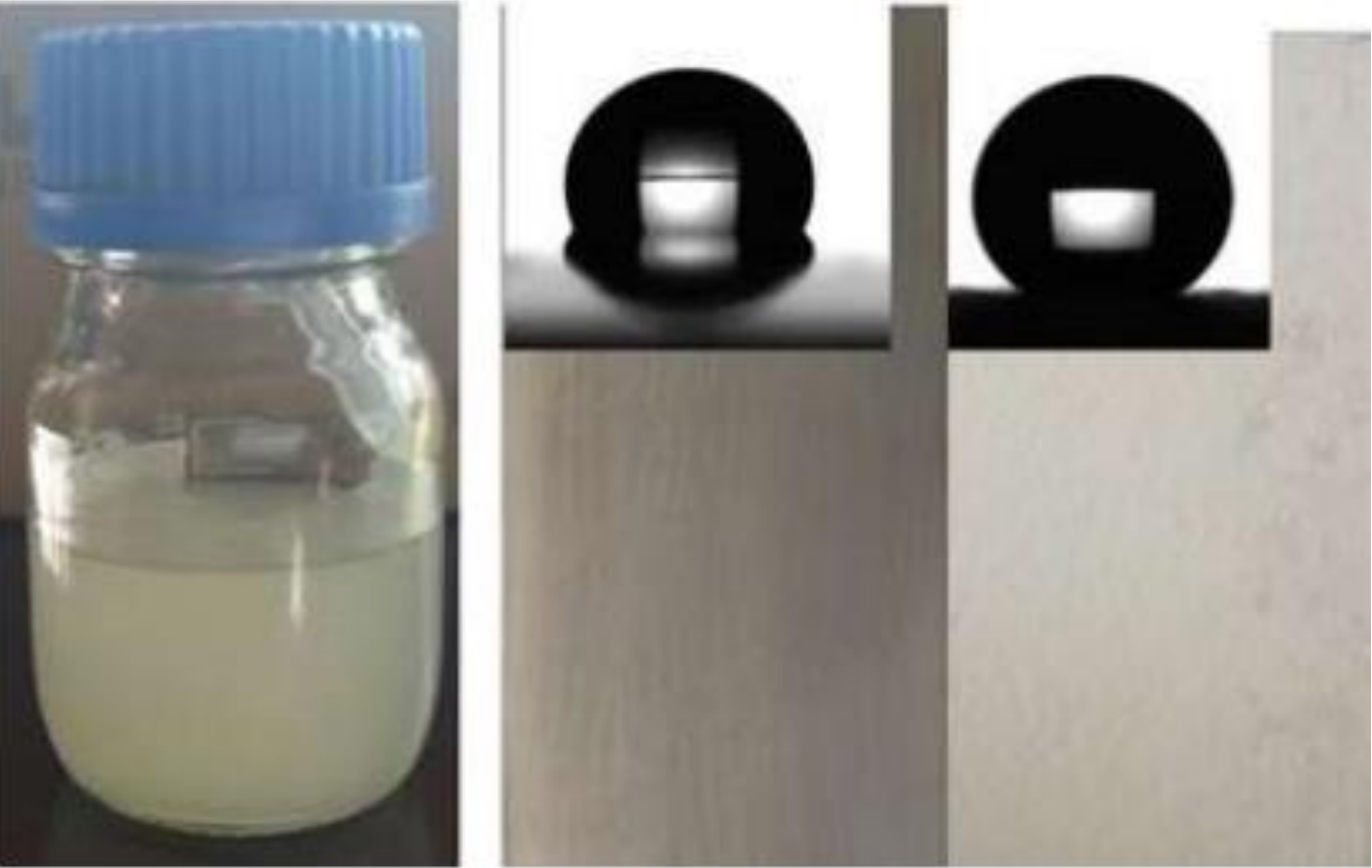
 润滑剂
润滑剂
 润滑油添加剂
 自润滑材料
自润滑材料
 密封材料
密封材料
 新兴材料
新兴材料
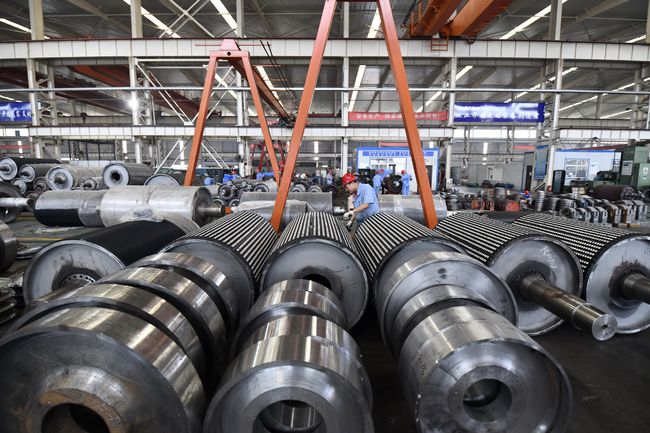 加工设备
加工设备
 摩擦试验机
摩擦试验机
 大型表征仪器
 小型测试设备