To address gear pair Anti-Scuffing Load-Bearing Capacity (ASLBC), this study establishes a Thermal Elastohydrodynamic Lubrication (TEHL) model incorporating elastic deformation of Micro-Convex-Concave Asperity (MCCA) interfaces. The model analyzes sliding velocities and frictional behavior of Micro-Element Texture (MET) under transient thermal excitation. Based on homogenization theory, numerical simulations of MCCA contact and transient sliding friction are conducted to investigate the effects of MET parameters, specifically area ratio and depth-to-diameter ratio, on Interface Enriched Lubrication (IEL). A time-dependent micro-elastohydrodynamic IEL model with MET configuration is developed and solved using a multi-level mesh refinement algorithm to examine the influence of autocorrelation length and MCCA amplitude on IEL performance. A correlation model linking MET parameters to interface load-bearing performance is established to identify optimal MET features for ASLBC enhancement. Comparative analysis between traditional Univariate Sensitivity Analysis (USA) and Multivariate Linear Regression (MLR) demonstrates that MLR enables broader parameter optimization and captures coupling effects among micro-texture parameters. Micro-textures with varying dimensions, area ratios, depths, and geometries are designed and evaluated using both USA and MLR. While both methods identify optimal parameters, the MLR achieves superior friction reduction. The USA-optimized Transverse Slit MET (500 μm dimension, 40% area ratio, 5.0 μm depth) delivers a load-bearing capacity of 1.163 MPa and friction coefficient of 0.0686, representing an 11.6% reduction compared to untextured surfaces. MLR optimization yields identical geometric parameters but further reduces the friction coefficient to 0.0679, corresponding to a 13.7% reduction versus untextured interfaces and a 4.58% improvement over the USA-optimized configuration.
周老师: 13321314106
王老师: 17793132604


邮箱号码: lub@licp.cas.cn





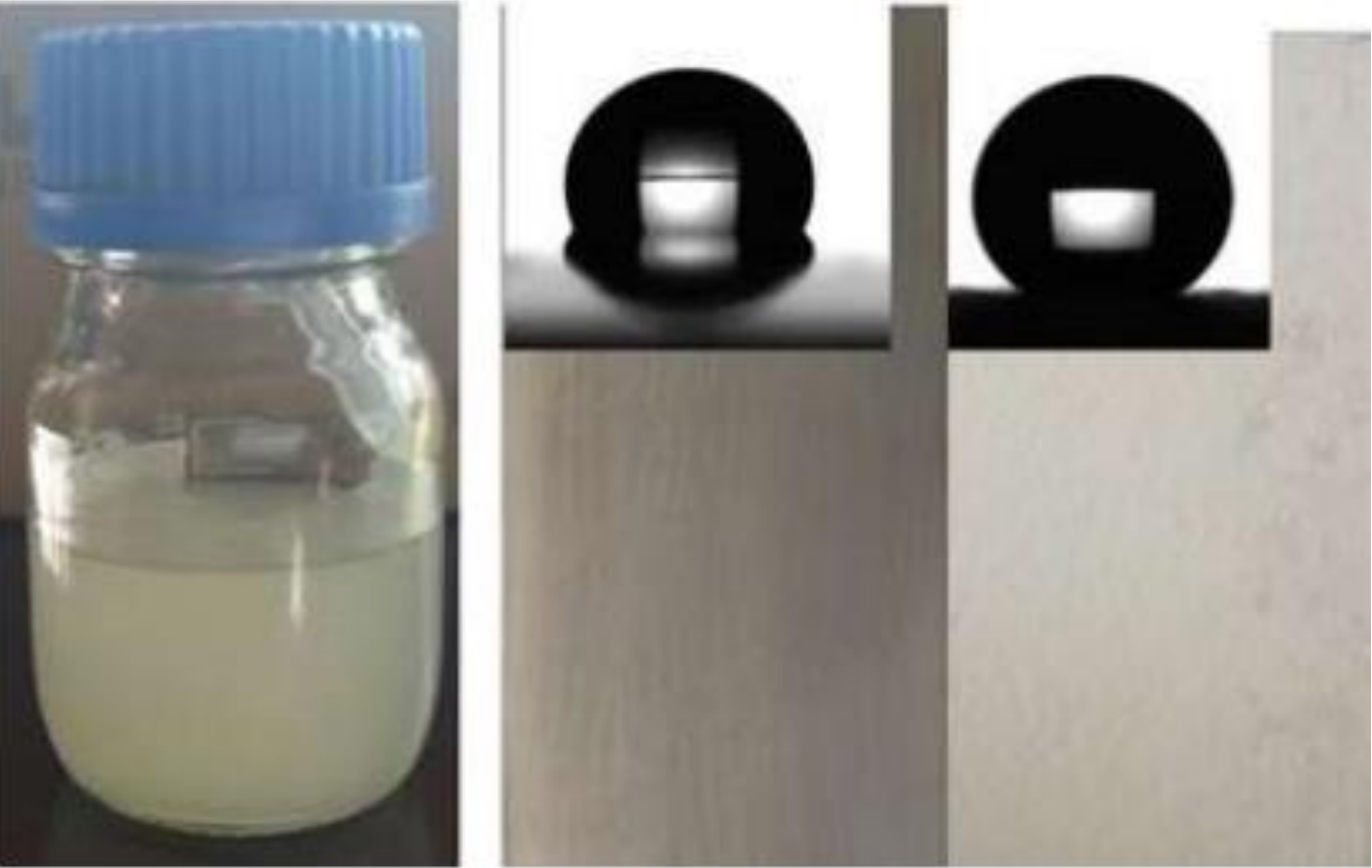
 润滑剂
润滑剂
 润滑油添加剂
 自润滑材料
自润滑材料
 密封材料
密封材料
 新兴材料
新兴材料
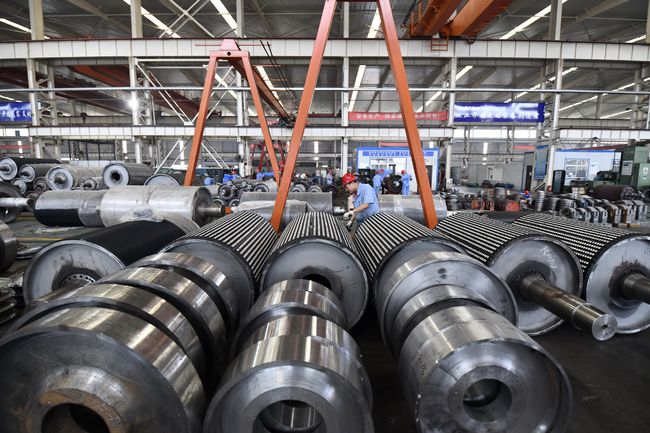 加工设备
加工设备
 摩擦试验机
摩擦试验机
 大型表征仪器
 小型测试设备