Electrolyte engineering utilizing fluorinated linear carbonates (DMC, EMC, and DEC) holds immense promise for high-voltage lithium metal batteries. Despite extensive research, a systematic understanding of how fluorination patterns precisely dictate electrolyte performance remains elusive. In this study, by integrating quantum chemical calculations with machine learning, we developed a multi-dimensional descriptor framework incorporating fluorination counts at specific sites (α and β), molecular symmetry, and carbon chain length. Interpretability analysis reveals that redox potentials are primarily governed by α-site fluorination, modulated by the interplay of inductive and conjugation effects, while the electrochemical stability window is highly sensitive to the asymmetry of α-site substitution. The coordination capability between lithium ions and carbonyl oxygen generally diminishes with increased fluorination, primarily driven by β-site substitutions, which evolve the coordination environment from a traditional single–carbonyl–oxygen interaction into a multi-site synergistic system. Furthermore, the molecular dipole moment exhibits an initial increase followed by a decrease with fluorination, reflecting the evolution of molecular symmetry from disruption to partial restoration. Notably, surface electrostatic potential extrema are most significantly influenced by the degree of β-site fluorination. By synergistically tuning the fluorination degree and symmetry across these sites, the desolvation energy barrier and film-forming capability can be effectively balanced to facilitate the formation of stable, LiF-rich SEI films and enhance high-voltage oxidative stability. This work elucidates the regulatory mechanisms of fluorination strategies in linear carbonates, providing essential design principles and screening guidance for the rational molecular engineering of advanced solvents and additives for high-performance lithium metal batteries.
周老师: 13321314106
王老师: 17793132604


邮箱号码: lub@licp.cas.cn




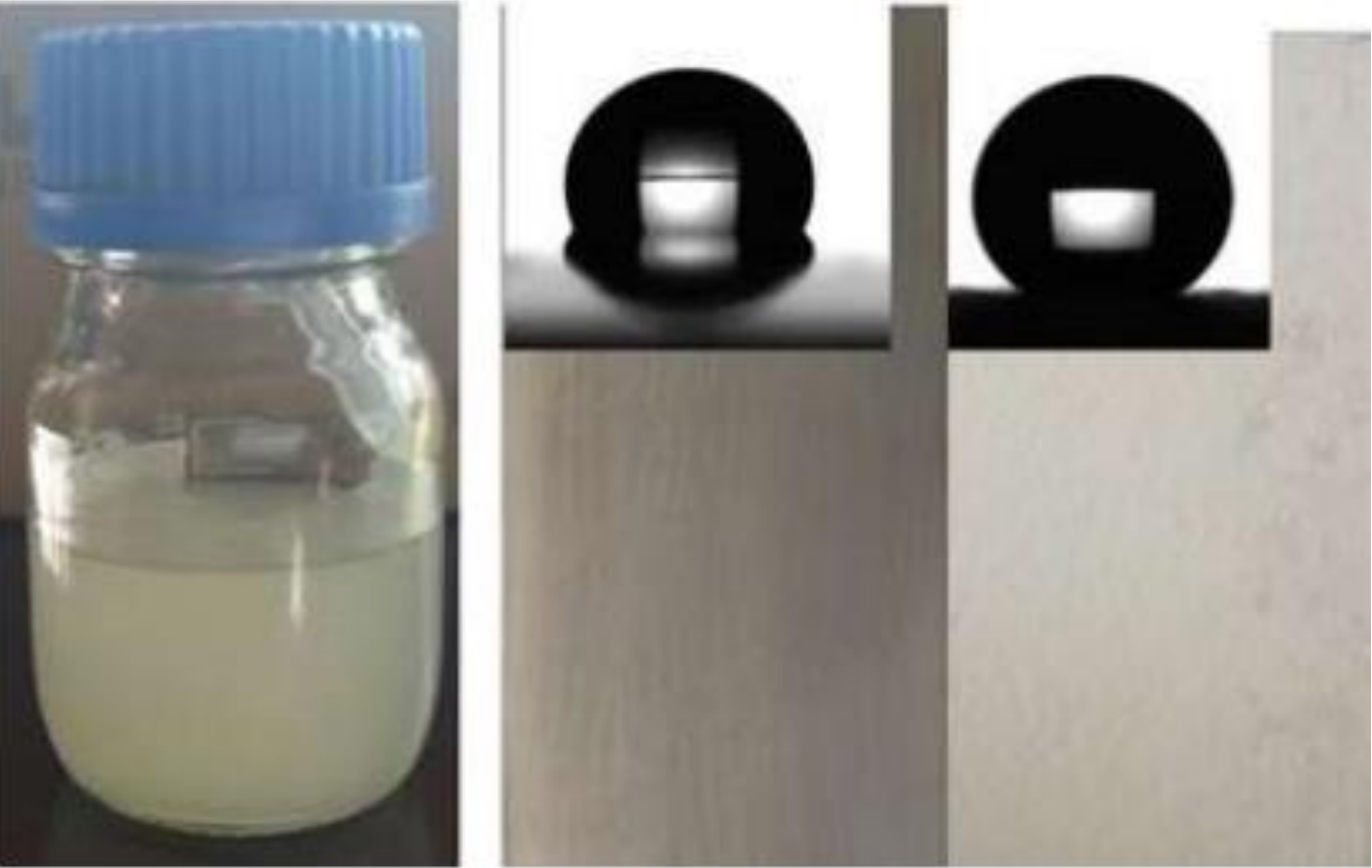
 润滑剂
润滑剂
 润滑油添加剂
 自润滑材料
自润滑材料
 密封材料
密封材料
 新兴材料
新兴材料
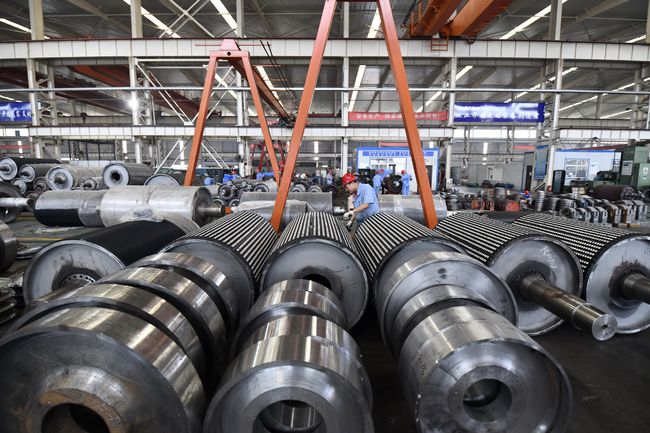 加工设备
加工设备
 摩擦试验机
摩擦试验机
 大型表征仪器
 小型测试设备