The electrochemical reduction of carbon dioxide (CO2RR) into value-added chemicals offers a sustainable pathway for mitigating greenhouse gas emissions and advancing carbon-neutral energy technologies. Among all possible CO2RR products, formate/formic acid is particularly attractive due to its industrial relevance as a promising fuel for fuel cells and its high stability as an energy-storage medium. However, it remains challenging to obtain Cu-based catalysts with high selectivity and stability for CO2 conversion to formate/formic acid. Herein, we report a metal Pd anchored onto a Cu2O/Cu heterojunction (Pd–Cu2O/Cu), synthesized via atomic layer deposition followed by electrochemical reduction. Structural and spectroscopic analyses confirmed that the presence of Pd atoms in the Cu2O/Cu heterojunction collectively modulated the electronic states, stabilized *OCHO intermediates, suppressed the competing *H pathway, and balanced the *COOH pathway. Electrocatalytic tests of Pd–Cu2O/Cu in an H-type cell showed a remarkable formate faradaic efficiency of 61.1% with a high partial current density of −24 mA cm−2 at −0.9 V versus RHE. When integrated into an aqueous Zn–CO2 battery, the catalyst outperformed most reported Cu-based systems, achieving a maximum power density of 2.54 mW cm−2 and stable cycling for 130 hours. Overall, this work demonstrates a highly efficient Zn–CO2 battery technology, highlighting the practical potential of coupling CO2 utilization with sustainable energy storage.
周老师: 13321314106
王老师: 17793132604


邮箱号码: lub@licp.cas.cn




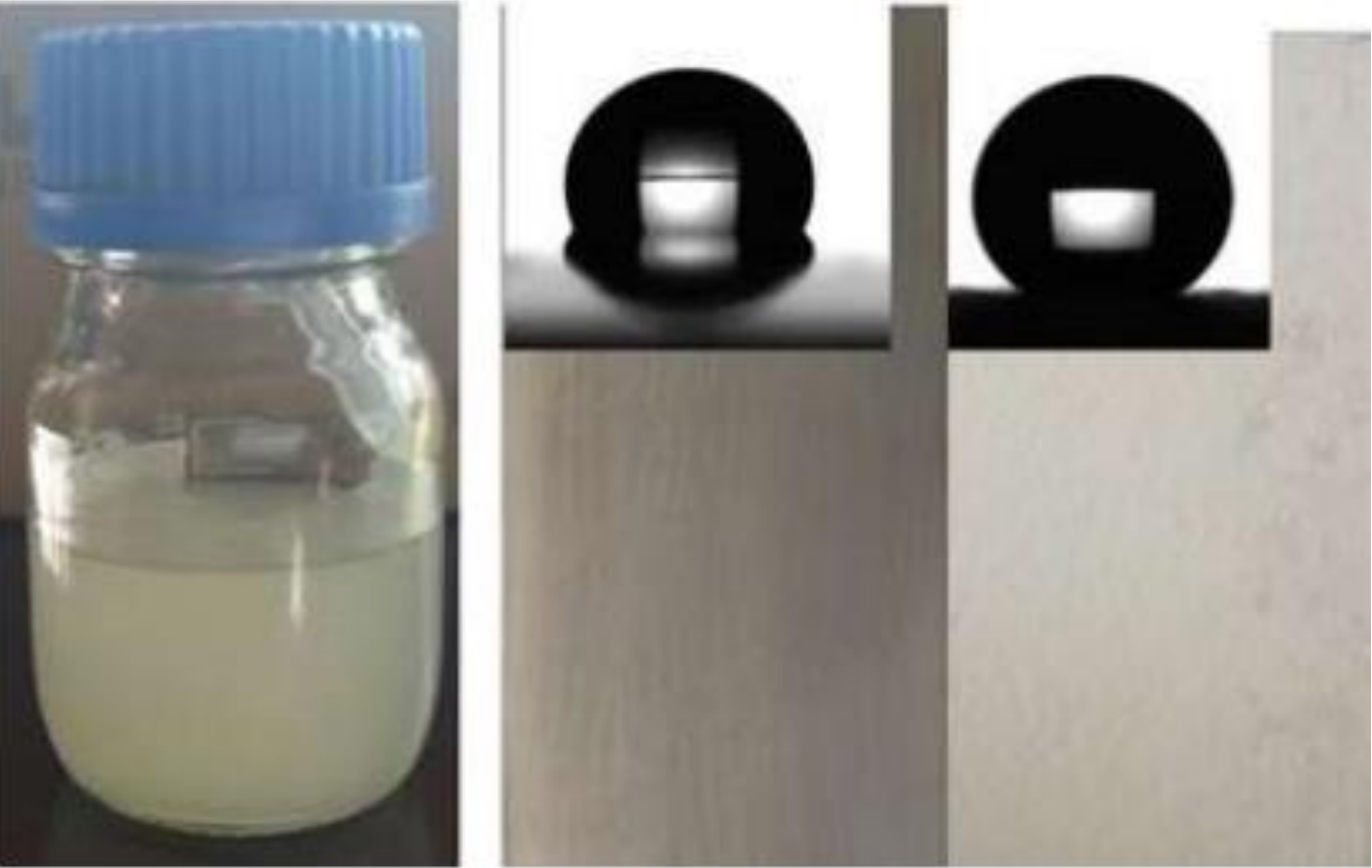
 润滑剂
润滑剂
 润滑油添加剂
 自润滑材料
自润滑材料
 密封材料
密封材料
 新兴材料
新兴材料
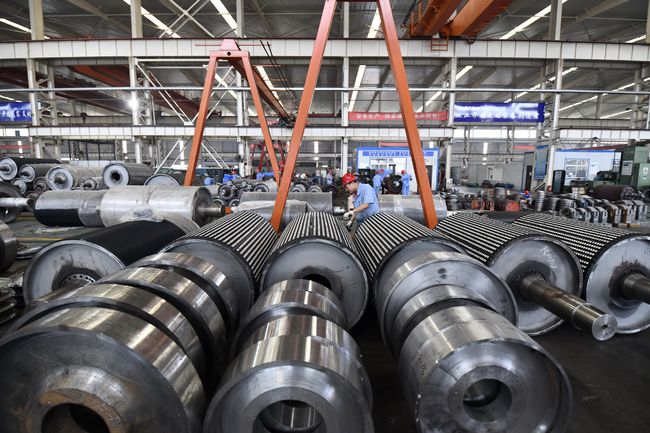 加工设备
加工设备
 摩擦试验机
摩擦试验机
 大型表征仪器
 小型测试设备