Aqueous zinc-ion batteries are promising candidates for large-scale energy storage, yet their development is severely hindered by the interfacial instability of zinc anodes. Distinct from strategies employing pre-formed polymers, this work proposes an innovative monomer-induced in situ interface engineering strategy. By leveraging the preferential adsorption of acrylamide monomers on the Zn surface, a locally high-concentration region is created, which subsequently enables the in situ construction of a stable hydrated network interphase (HNI) triggered synergistically by Zn2+ and SO42− during electrochemical cycling. The HNI precisely regulates Zn deposition via a triple synergistic mechanism: Lewis acid–base coordination (C = O···Zn2+) provides fixed nucleation sites; dynamically anchored SO42− within the interphase forms negatively charged microregions that homogenize Zn2+ flux via Coulombic repulsion; and a dense hydrogen-bonding network effectively confines free water and suppresses side reactions. Benefiting from this multifunctional interphase, the Zn//Zn symmetric cell achieves an ultra-long cycling life of 8650 h (over 360 days) at 1 mA cm−2 with excellent reproducibility, the Zn//Ti cell delivers a high average Coulombic efficiency of 99.71% at 5 mA cm−2. The Zn//I2 full cell retains 89.15% of its capacity after 12,000 cycles. This work provides a novel paradigm for interfacial construction toward high-performance zinc metal anodes.
周老师: 13321314106
王老师: 17793132604


邮箱号码: lub@licp.cas.cn




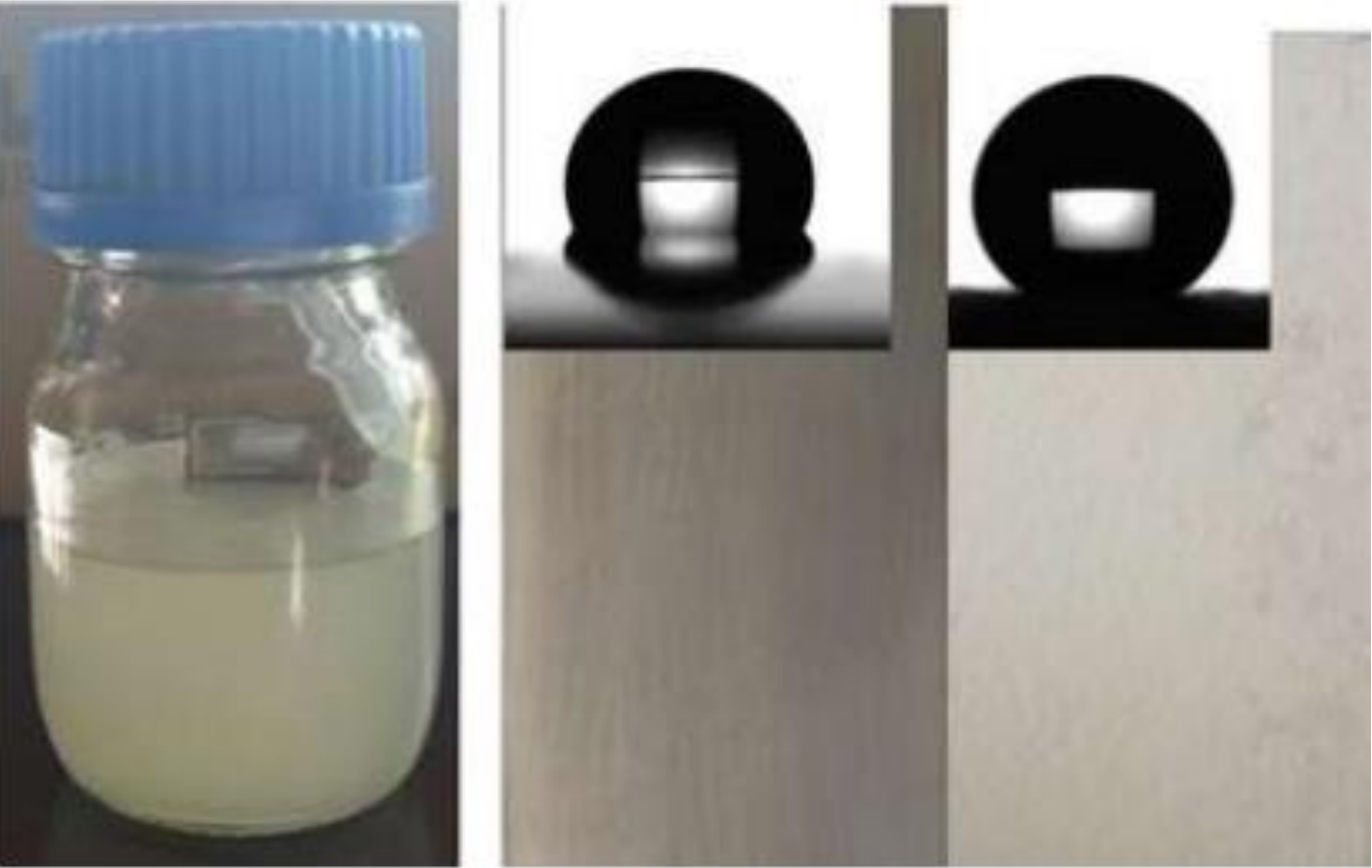
 润滑剂
润滑剂
 润滑油添加剂
 自润滑材料
自润滑材料
 密封材料
密封材料
 新兴材料
新兴材料
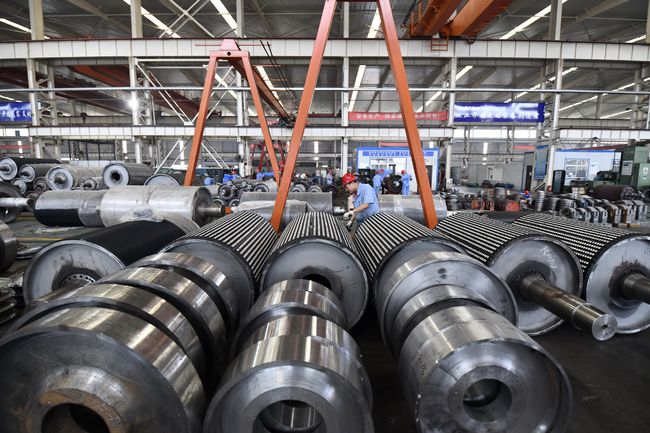 加工设备
加工设备
 摩擦试验机
摩擦试验机
 大型表征仪器
 小型测试设备