Driven by energy demand and environmental safety, the ability to treat and dispose of nuclear waste is sought to fulfil the demand for sustainable nuclear power. Radioactive byproducts generated by nuclear fission, including cationic radionuclides (235UO22+, 137Cs+, 90Sr2+, noble metals and partial actinide elements), anionic radionuclides (99TcO4−, 129/131I3−, 129/131I−, etc.), gaseous effluents (129/131I2, 85Kr, 127Xe, 222Rn, etc.), and tritium, should be managed safely and efficiently, underscoring the need for robust scientific solutions to minimize environmental contamination and foster public confidence. For this purpose, framework materials like metal–organic frameworks (MOFs), covalent organic frameworks (COFs), hydrogen-bonded organic frameworks (HOFs), supramolecular assembly frameworks (SAFs) and porous aromatic frameworks (PAFs) have emerged as highly promising platforms for radionuclide extraction and removal relying on their unique properties of abundant structures, customizable functionality, tunable pore sizes, and high specific surface area. Thus far, there is a lack of a comprehensive review that systematically integrates materials design, research progress, and practical applications for achieving comprehensive radionuclide separation. This review begins with a comprehensive overview of the scientific significance and structural characteristics of framework materials, followed by a summary of their design principles, synthetic strategies, and functional versatility. It then presents a detailed examination of recent applications across various radionuclide classes, with an in-depth discussion of advanced design paradigms, performance across diverse scenarios, and mechanisms. Finally, future perspectives are outlined to address unresolved scientific and technical challenges and to accelerate the practical implementation of next-generation framework materials. This work provides a foundational platform for engineering innovation and the broader application of framework materials, which is crucial for the effective and sustainable management of nuclear waste.
周老师: 13321314106
王老师: 17793132604


邮箱号码: lub@licp.cas.cn




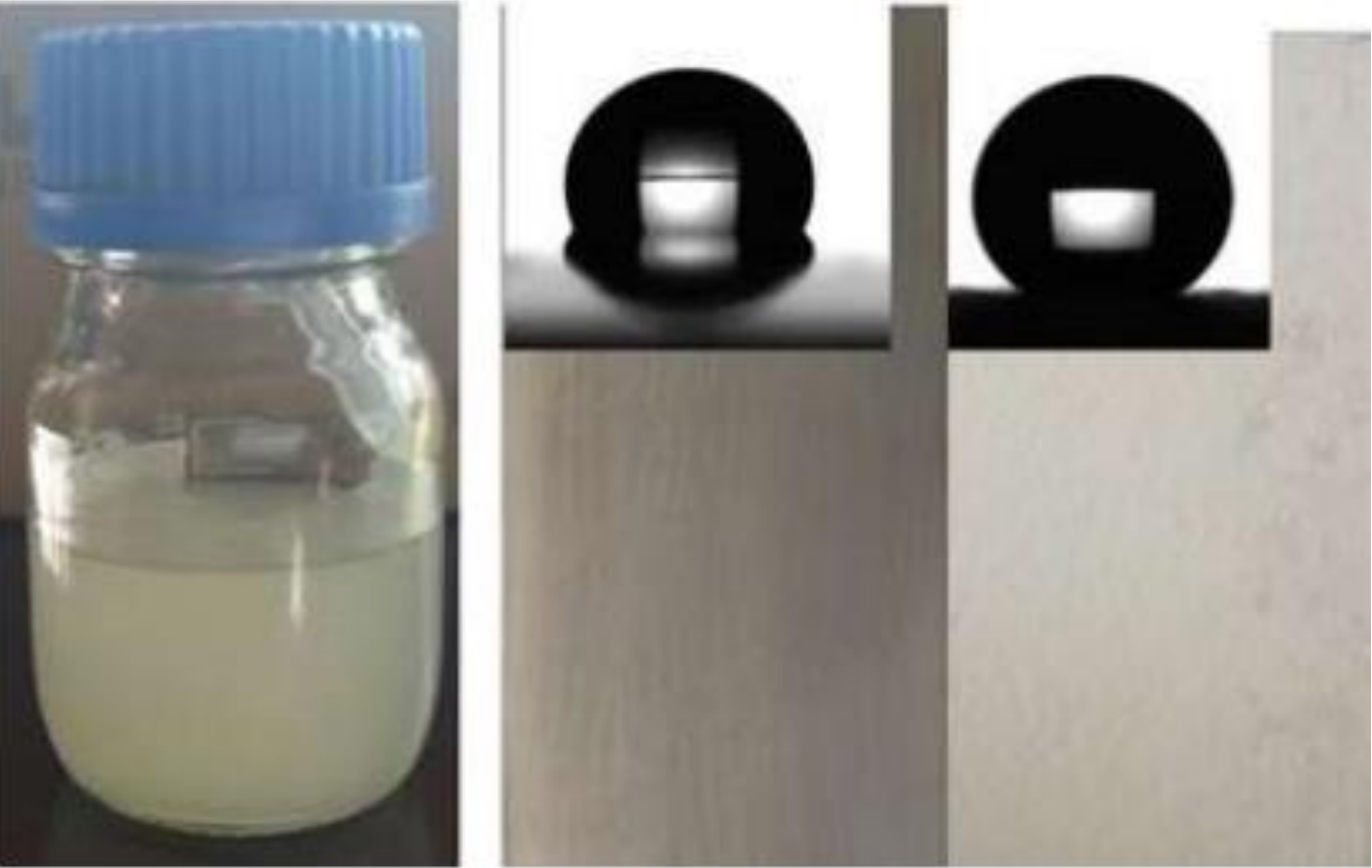
 润滑剂
润滑剂
 润滑油添加剂
 自润滑材料
自润滑材料
 密封材料
密封材料
 新兴材料
新兴材料
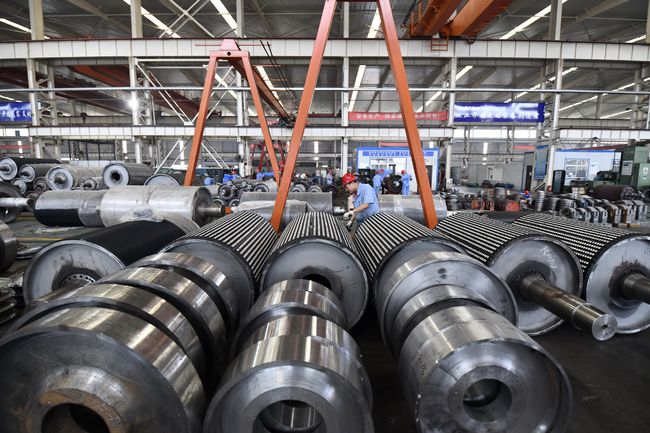 加工设备
加工设备
 摩擦试验机
摩擦试验机
 大型表征仪器
 小型测试设备