To investigate the influence of probe size on the miniature penetration strength (qc" role="presentation"> q c ) of fluidized solidified soil, miniature penetration tests were conducted on fluidized solidified soil specimens with varying probe diameters (dp" role="presentation"> d p ) and stabilizer contents (ωs" role="presentation"> ω s ). The micro-mechanism of the size effect was subsequently revealed through DEM simulations, leading to the proposal of a qc" role="presentation"> q c prediction formula incorporating the size effect. Experimental results demonstrate that qc" role="presentation"> q c decreases rapidly at first and then more gradually as dp" role="presentation"> d p increases. This dp" role="presentation"> d p -dependency of qc" role="presentation"> q c is more significant in lower-strength specimens. For instance, the qc" role="presentation"> q c ratio between the 2mm and 5mm probes was 1.43 for specimens with ωs" role="presentation"> ω s =3% but only 1.28 for specimens with ωs" role="presentation"> ω s =18%. DEM simulations suggest that the normal stress acting on the probe tip is the primary component of qc" role="presentation"> q c and is nearly independent of dp" role="presentation"> d p . Conversely, the frictional force on the probe lateral surface, which is proportional to dp" role="presentation"> d p , is identified as the source of the size effect. Furthermore, the zones of stress disturbance and cementation breakage induced by probe penetration extend approximately 0.5 dp" role="presentation"> d p from the probe shaft. Regardless of the stabilizer contents, the penetration stress can be predicted using an inverse proportional function with respect to dp" role="presentation"> d p .
周老师: 13321314106
王老师: 17793132604


邮箱号码: lub@licp.cas.cn





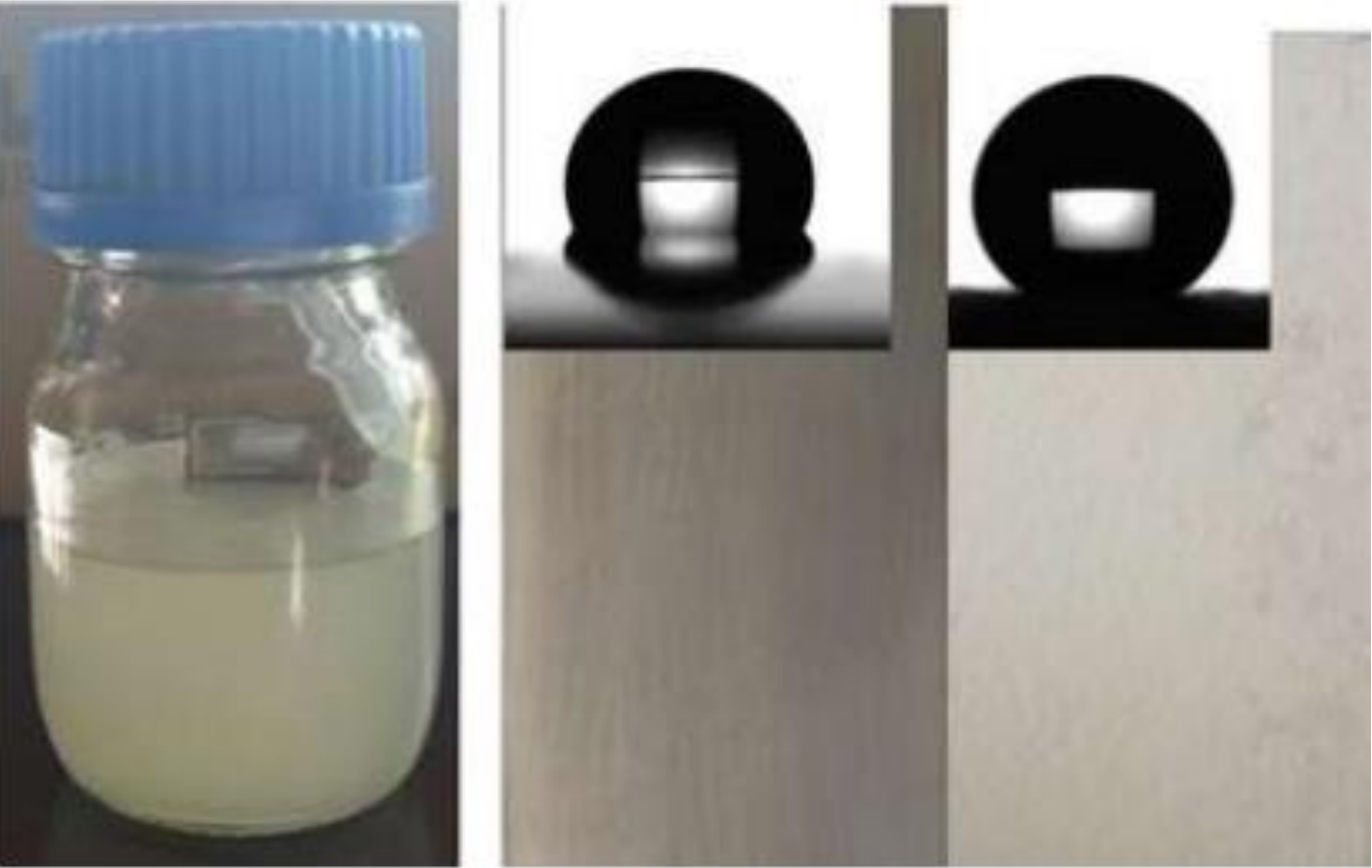
 润滑剂
润滑剂
 润滑油添加剂
 自润滑材料
自润滑材料
 密封材料
密封材料
 新兴材料
新兴材料
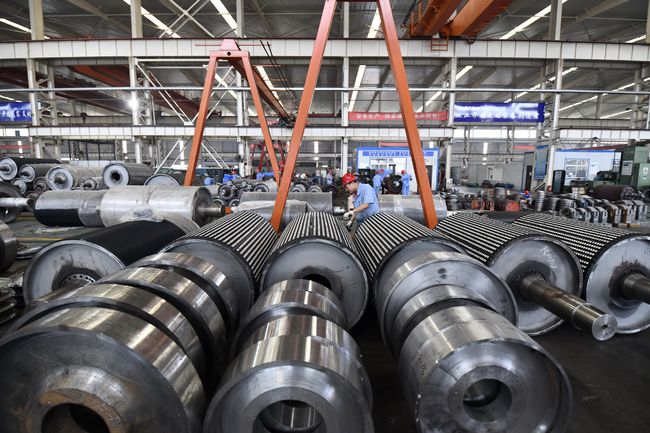 加工设备
加工设备
 摩擦试验机
摩擦试验机
 大型表征仪器
 小型测试设备