Prime editing is a versatile clinical genome editing method that enables precise substitutions, small insertions and deletions at specified locations in the genomes of living systems including human cells. Although non-viral lipid nanoparticle (LNP) delivery of RNA in vivo has become a preferred method for gene editing in animals and patients, its application to complex, three-component prime editing systems has yielded low editing efficiencies. Here we developed a systematic prime editing LNP (PE-LNP) optimization platform that addresses key bottlenecks in cargo design that limit editing efficiency. This generalizable workflow yielded PE-LNPs that can achieve 49% average in vivo prime editing in the bulk mouse liver with a single dose of 2 mg kg−1. We applied our workflow to the correction of PAH R408W, a cause of phenylketonuria, in a mouse model and achieved prime editing efficiencies and serum phenylalanine levels anticipated to be curative. We also show that PE-LNPs minimize off-target editing compared with DNA delivery methods, induce only transient elevation of liver enzymes and can be dosed repeatedly to improve editing efficiencies. These PE-LNP systems provide an attractive alternative to viral delivery by offering transient expression that minimizes off-target editing, no observed long-term toxicity and high levels of non-viral in vivo liver prime editing.
周老师: 13321314106
王老师: 17793132604


邮箱号码: lub@licp.cas.cn




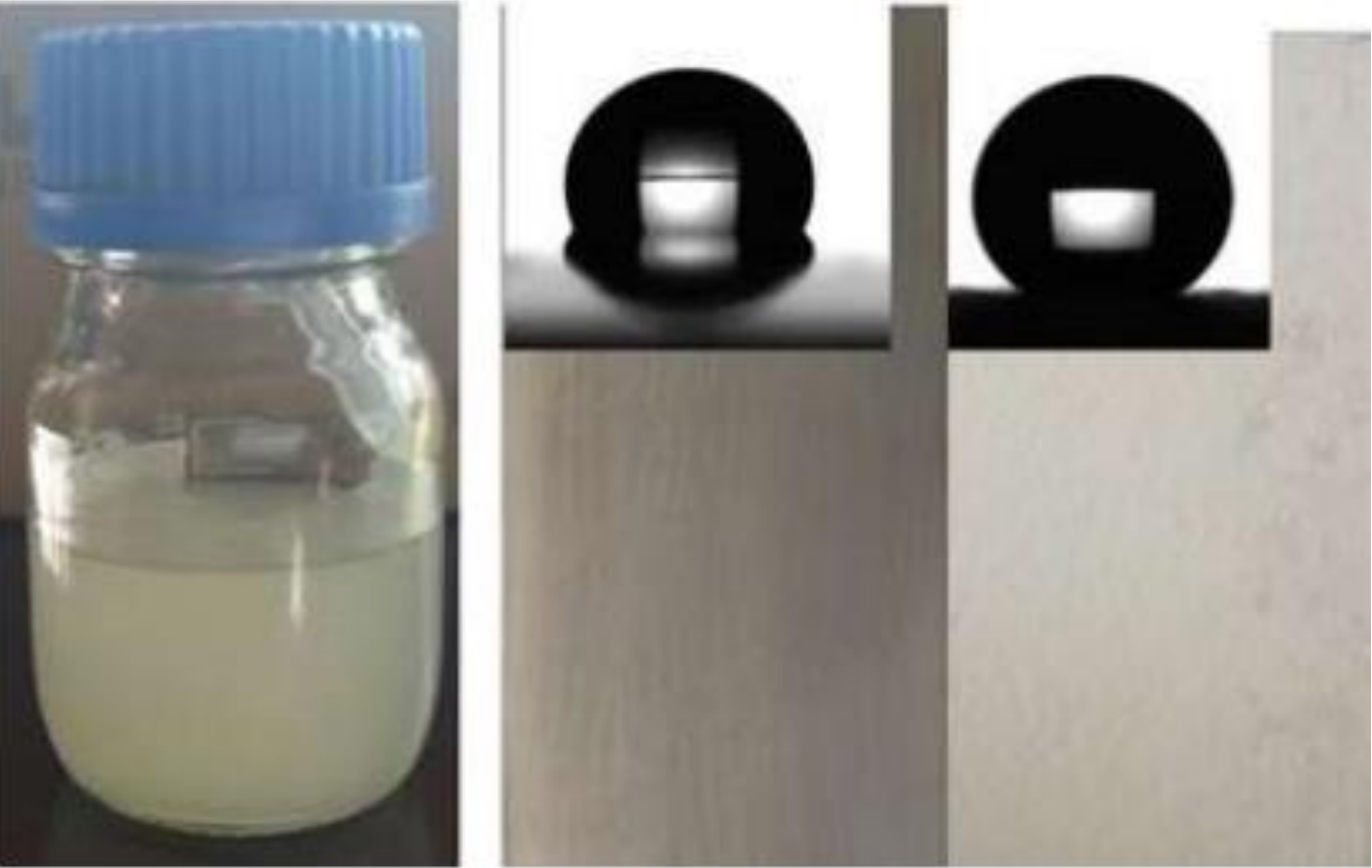
 润滑剂
润滑剂
 润滑油添加剂
 自润滑材料
自润滑材料
 密封材料
密封材料
 新兴材料
新兴材料
 加工设备
加工设备
 摩擦试验机
摩擦试验机
 大型表征仪器
 小型测试设备