β-Arrestins are multifunctional regulators of G-protein-coupled receptor (GPCR) signalling and orchestrate diverse downstream signalling events and physiological responses across the GPCR superfamily1,2,3. Although GPCR pharmacology has advanced to target orthosteric and allosteric sites, as well as G proteins and GPCR kinases, direct chemical tools to modulate β-arrestin activities have remained conspicuously absent. Here we report the identification of small-molecule inhibitors that selectively target β-arrestins and delineate their mechanism of action through integrated pharmacological, biochemical, biophysical and structural analyses. These inhibitors disrupt β-arrestin engagement with agonist-activated GPCRs, impairing desensitization, internalization and β-arrestin-dependent physiological functions while sparing G protein–receptor coupling. Cryo-electron microscopy, molecular dynamics simulations and structure-guided mutagenesis reveal that one modulator, Cmpd-5, engages a pocket within the central crest of β-arrestin1 formed by the middle, C and lariat loops, a critical receptor-binding interface, stabilizing a distinct conformation that is incompatible with full β-arrestin–receptor engagement. Together, these findings establish a mechanistic framework for β-arrestin modulation, reveal a novel allosteric site for structure-based drug design, and open new avenues for transducer-targeted, pathway-specific GPCR therapeutic agents.
周老师: 13321314106
王老师: 17793132604


邮箱号码: lub@licp.cas.cn




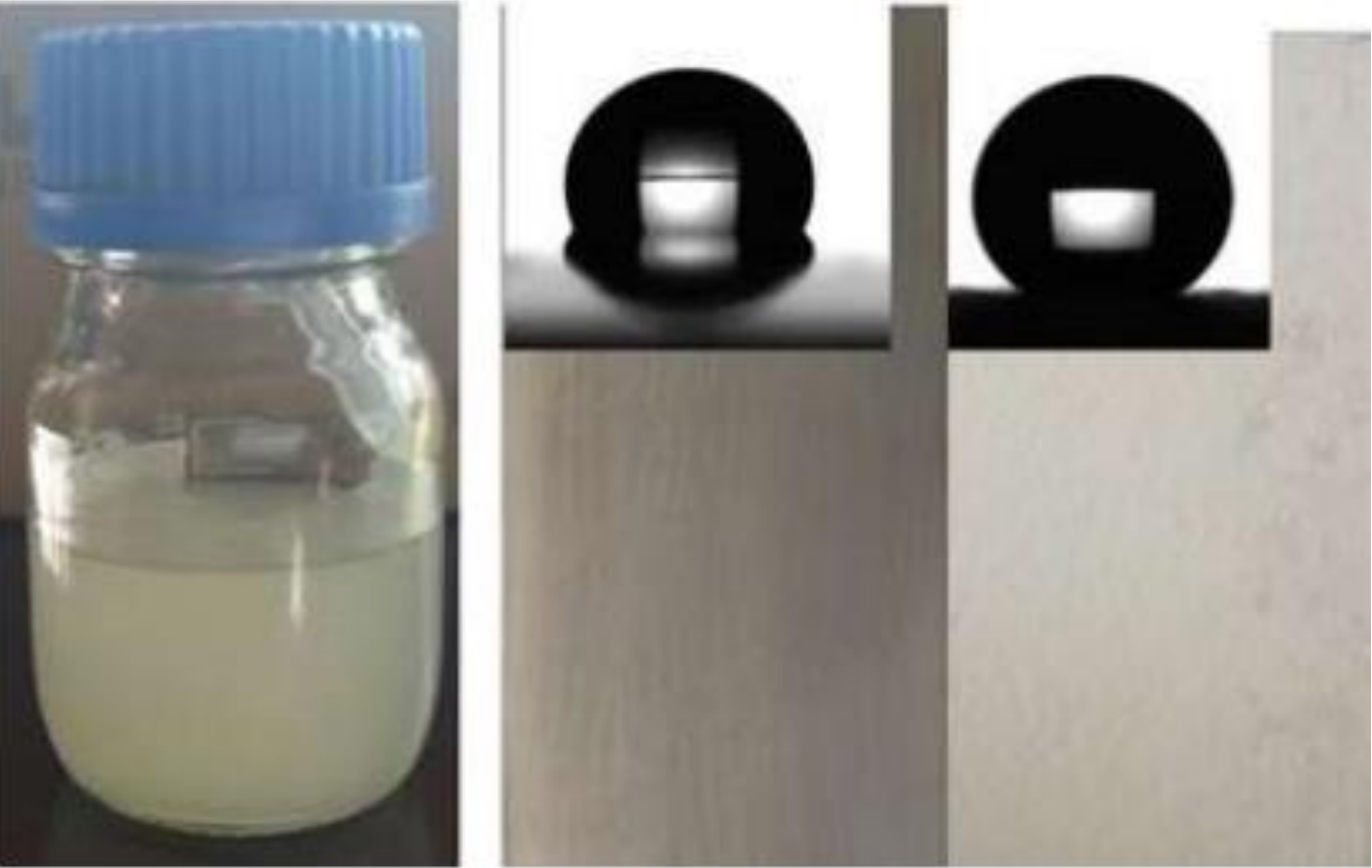
 润滑剂
润滑剂
 润滑油添加剂
 自润滑材料
自润滑材料
 密封材料
密封材料
 新兴材料
新兴材料
 加工设备
加工设备
 摩擦试验机
摩擦试验机
 大型表征仪器
 小型测试设备