The so-called inverted perovskite solar cells (PSCs), with a p–i–n device architecture, have recently outperformed the traditional n–i–p counterparts in terms of their record power conversion efficiency (PCE). The design of their interfaces has emerged as the key driver of PCE improvements. Therefore, it has become the determining factor of device stability. This review provides a comprehensive overview of the degradation mechanisms, particularly those related to interface phenomena, with a special focus on the role of defects. Beginning with an analysis of the intrinsic instability issues of pristine interfacial materials, it moves to the interface-induced instability of perovskite absorbers, including chemically driven degradation, defect and phase impurities, ion accumulation and migration, and mechanical delamination. Eventually, it offers an updated review of approaches, including controllable surface construction, multi-layer interface, and stable transport layer design, employed to mitigate the instability caused by interface limitations. Future research directions are proposed to guide the development of durable inverted PSCs toward real-world applications.
周老师: 13321314106
王老师: 17793132604


邮箱号码: lub@licp.cas.cn




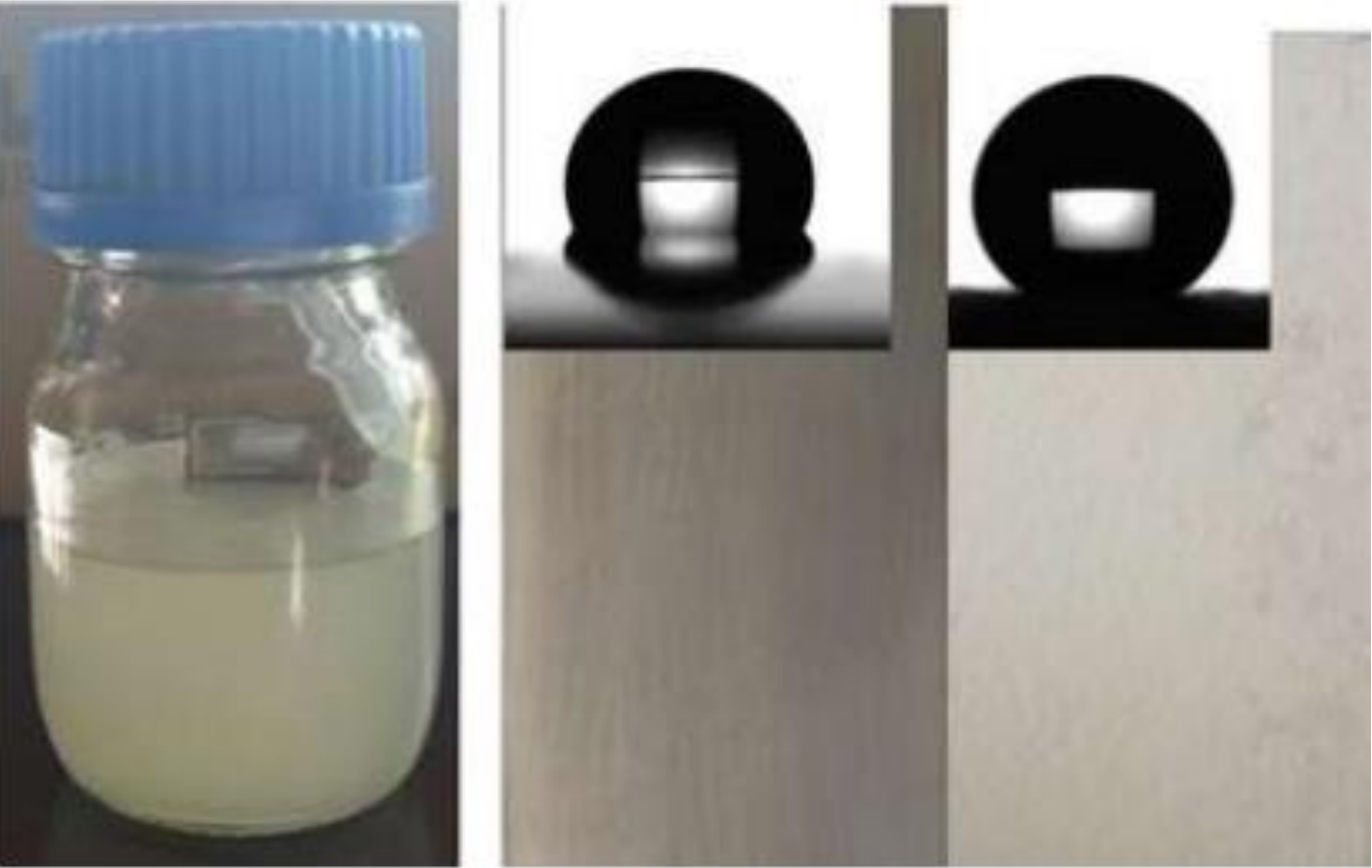
 润滑剂
润滑剂
 润滑油添加剂
 自润滑材料
自润滑材料
 密封材料
密封材料
 新兴材料
新兴材料
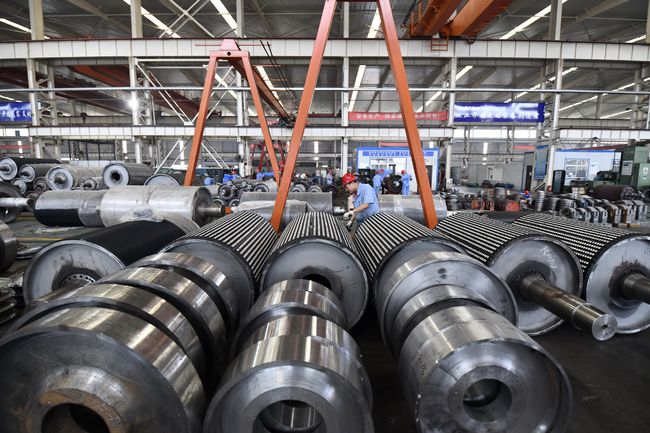 加工设备
加工设备
 摩擦试验机
摩擦试验机
 大型表征仪器
 小型测试设备