The electrochemical co-reduction of CO2 and N2 to urea presents a sustainable alternative to conventional synthesis but faces substantial challenges. Here we design a catalyst by anchoring the ionic liquid (IL) 1-ethyl-2,3-dimethylimidazolium bromide onto a CuBi surface. The IL@CuBi catalyst delivers an exceptional Faradaic efficiency toward urea (FEurea) of 73.0% and a current density of 27.4 mA cm−2 in an H-type cell, with a production rate of 124.7 μmol cm−2 h−1. Detailed study indicates that during the co-reduction process, Emmim+ cations on IL@CuBi are first reduced to Emmim· radicals, which transfer electrons to H+ to generate H· radicals. This relayed electron-transfer pathway for H· radical generation bypasses the conventional formation from surface-adsorbed *H intermediates, thereby effectively suppressing the hydrogen evolution reaction. The generated H· radicals, acting as high-energy bullets, directly participate in subsequent hydrogenation steps, thereby substantially reducing the free energy barrier and enhancing reaction kinetics.
周老师: 13321314106
王老师: 17793132604


邮箱号码: lub@licp.cas.cn




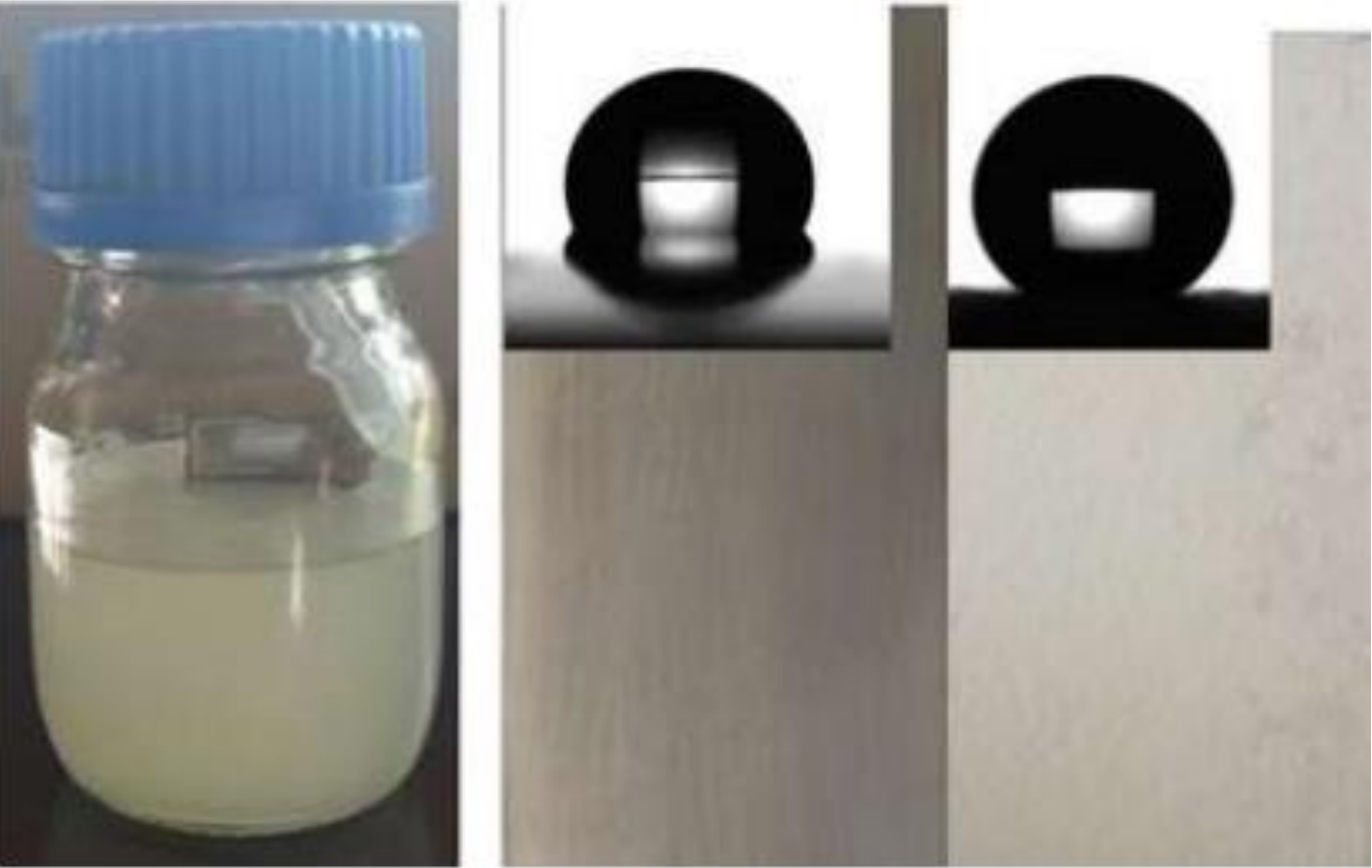
 润滑剂
润滑剂
 润滑油添加剂
 自润滑材料
自润滑材料
 密封材料
密封材料
 新兴材料
新兴材料
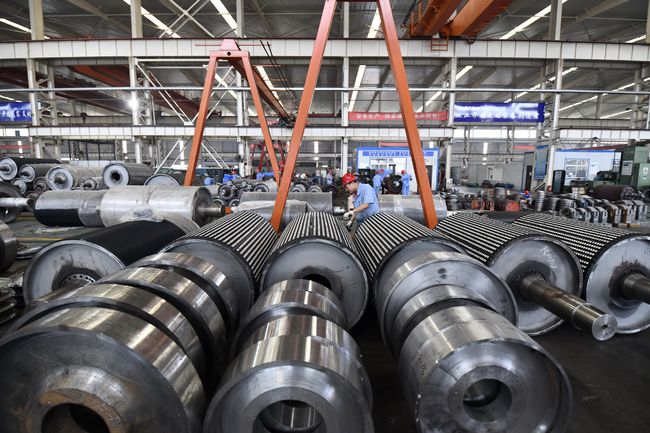 加工设备
加工设备
 摩擦试验机
摩擦试验机
 大型表征仪器
 小型测试设备