Polymer dielectrics capable of stable operation above 140 °C are urgently needed for high-power energy storage in electric vehicles and aerospace systems. However, conventional molecular design struggles to simultaneously optimize polarization, electrical insulation, and thermal stability due to the lack of efficient strategies to quantify and control supramolecular interactions. Hydrogen bonding offers a promising route to induce ordered chain packing and enhance high-temperature performance, but key descriptors, such as hydrogen-bond probability, network connectivity, and their impact on electronic structure, remain difficult to access through routine density functional theory (DFT) calculations alone. Here, we develop a graph neural network that learns from molecular electrostatic potential maps to predict these statistically averaged hydrogen-bond properties and the corresponding electronic bandgap. Virtual screening of 1200 candidate molecules identifies (4-(3-amino-4-methoxyphenoxy)phenyl)(p-tolyl)methanone (O-PU) as an optimal additive. When blended with polyimide, O-PU directs the formation of a low-entropy nanocrystalline network via designed hydrogen bonds, as evidenced by transmission electron microscopy and X-ray scattering. This architecture simultaneously widens the optical bandgap, suppresses high-temperature leakage current, and enhances mechanical strength and thermal conductivity. Consequently, the optimized composite achieves a record-high discharged energy density of 5.99 J cm−3 with over 90% efficiency at 250 °C under 400 MV m−1. This work establishes a deep-learning-accelerated design principle for extreme-condition dielectrics, demonstrating that computationally guided hydrogen-bond engineering can overcome long-standing trade-offs in high-temperature capacitive energy storage.
周老师: 13321314106
王老师: 17793132604


邮箱号码: lub@licp.cas.cn




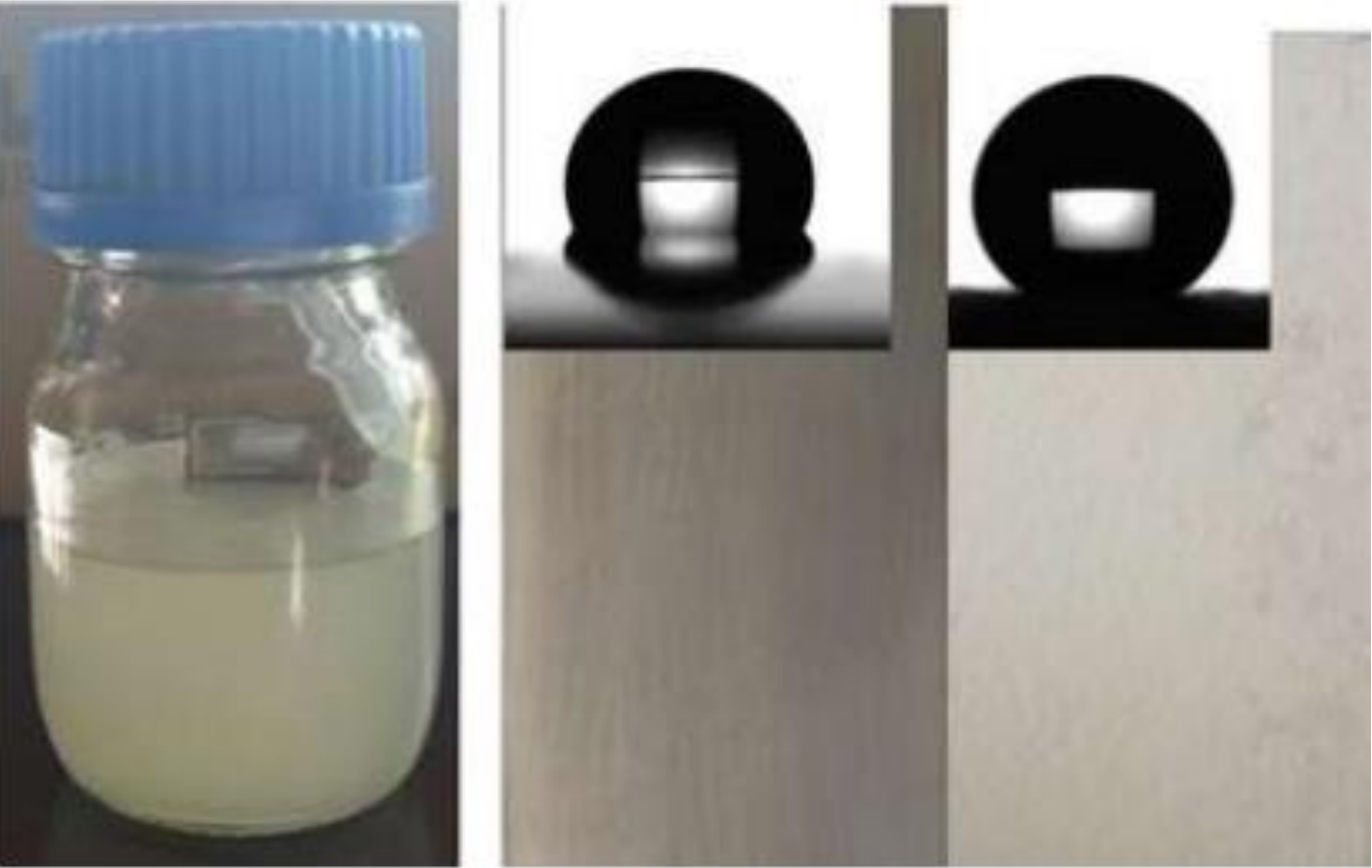
 润滑剂
润滑剂
 润滑油添加剂
 自润滑材料
自润滑材料
 密封材料
密封材料
 新兴材料
新兴材料
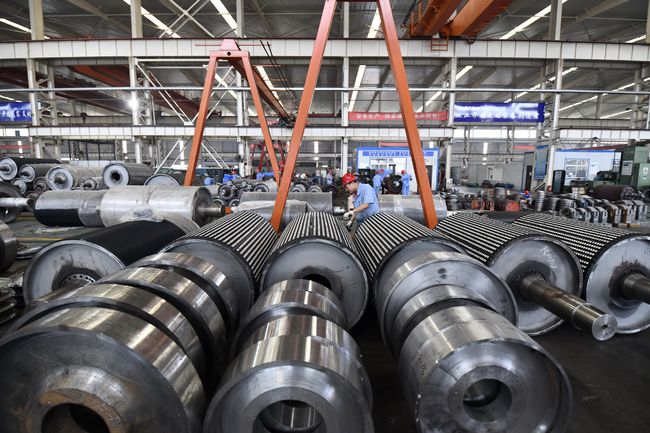 加工设备
加工设备
 摩擦试验机
摩擦试验机
 大型表征仪器
 小型测试设备