Multicolor (multi-emissive) luminescent materials are attracting increasing attention because, compared with single-emission systems, they can deliver two or more emission bands under the same or different excitation conditions, enabling ratiometric readouts that suppress environmental and instrumental interference and improve quantitative reliability in complex bioenvironments. Ligand-protected metal nanoclusters (MNCs), consisting of several to hundreds of metal atoms, provide a particularly powerful single-component platform because their ultrasmall, molecule-like electronic structures and typical metal(0) core/metal(I)–ligand shell architectures can host multiple emissive centers. In many NCs, efficient core–shell charge transfer (CT) competes with internal conversion from higher excited states, thereby relaxing the constraint of Kasha's rule and yielding tunable photoluminescence spanning the visible to near-infrared (NIR) regions, which is beneficial for deep-tissue imaging and high-contrast biomedical visualization. This review summarizes recent progress in multi-emissive MNCs from three perspectives: (i) mechanistic origins of multiple emissions, including shell-state emission governed by diverse metal–ligand motifs activated through core-to-shell CT, hybrid core–shell emission in which CT populates shell states without fully quenching core radiative pathways, and kernel-state emission arising from core size/composition/distortion-dependent redistribution of singlet and triplet energy levels; (ii) representative tailoring strategies, including ligand engineering, kernel engineering, and supramolecular/assembly approaches (e.g., aggregation-induced rigidification and host–guest confinement), to regulate emission wavelength, intensity ratios, and excited-state dynamics; and (iii) biomedical applications leveraging intrinsic ratiometric self-calibration, including biosensing, bioimaging, and therapeutic applications. Finally, we discuss key challenges and future opportunities toward brighter, more stable, and more quantitative multi-emissive MNC probes for complex biological settings.
周老师: 13321314106
王老师: 17793132604


邮箱号码: lub@licp.cas.cn




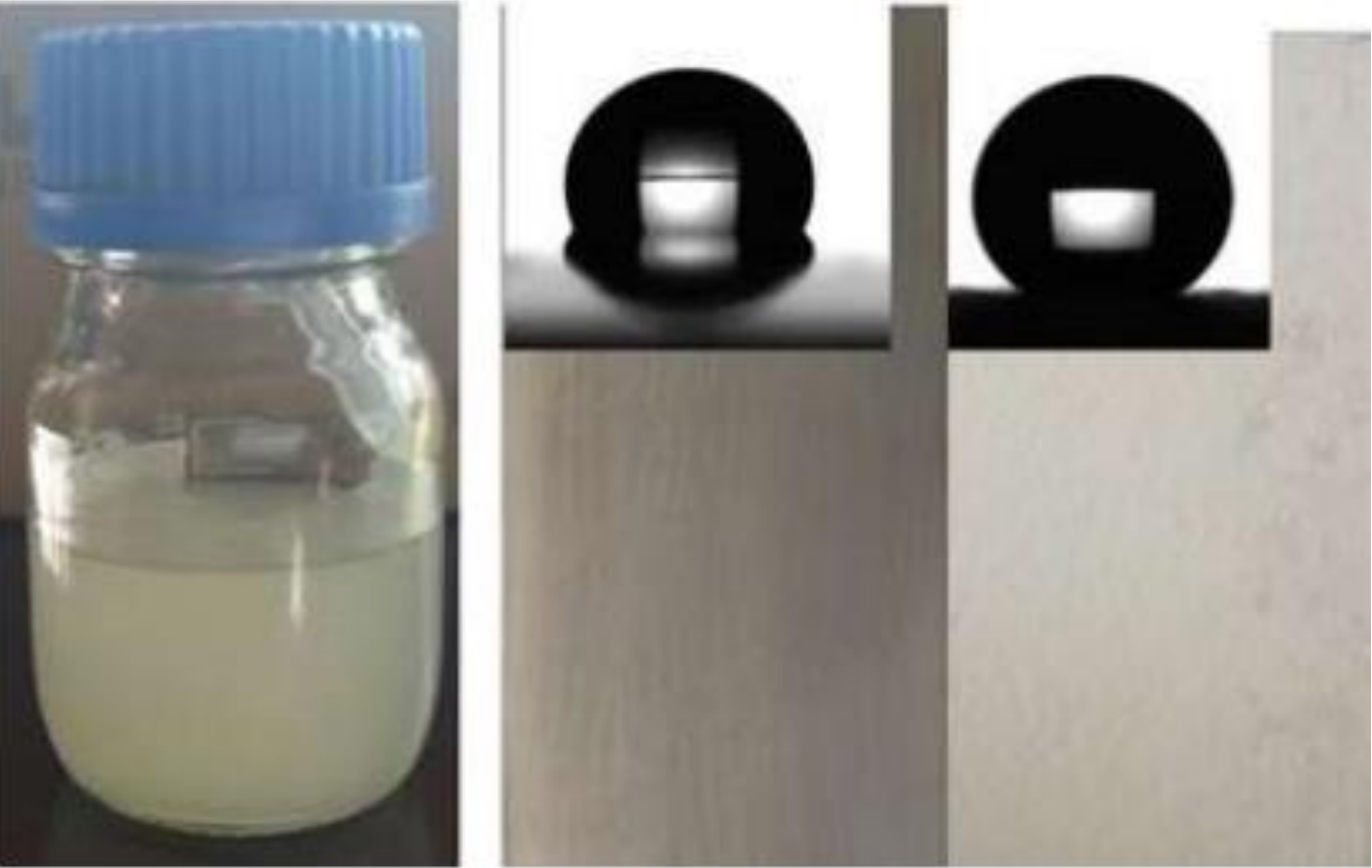
 润滑剂
润滑剂
 润滑油添加剂
 自润滑材料
自润滑材料
 密封材料
密封材料
 新兴材料
新兴材料
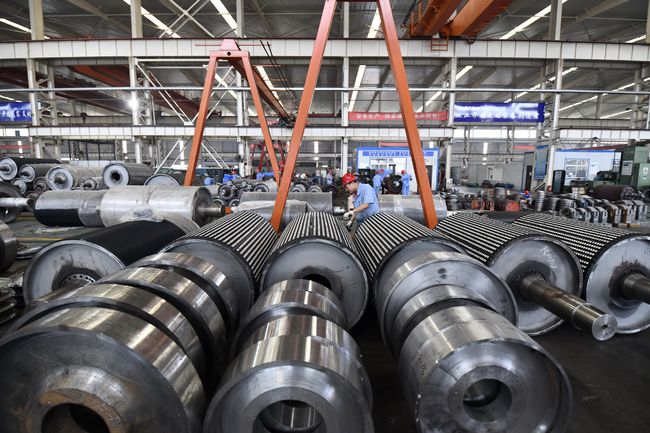 加工设备
加工设备
 摩擦试验机
摩擦试验机
 大型表征仪器
 小型测试设备