The development of efficient inverted perovskite solar cells has been propelled by the adoption of self-assembled monolayers as hole-selective contacts. Nevertheless, the durability of such devices is still hampered by the vulnerability of conventional carbazole molecules to ultraviolet (UV) damage and thermal instability of phosphonic acid anchors. Through spacer-group engineering in the benchmark molecule MeO-2PACz, we elucidated two distinct degradation pathways, with photodegradation occurring in non-conjugated linkages and thermal degradation in conjugated structures. These insights enabled rational design of a novel molecule MP3, which integrates both conjugated and non-conjugated spacer motifs with an electron-withdrawing substituent. This redesigned structure suppressed UV-induced N-dealkylation and thermally driven anhydride formation while enhancing substrate binding via modulated acid dissociation. MP3-based perovskite solar cells achieved a certified efficiency of 27.1% and showed exceptional stability: retaining 93.2% of their initial efficiency after 1,000 h of UV exposure, 91.1% after 100 °C thermal ageing (1,000 h) and 94.8% after 2,200 h of maximum power point tracking at 65 °C.
周老师: 13321314106
王老师: 17793132604


邮箱号码: lub@licp.cas.cn




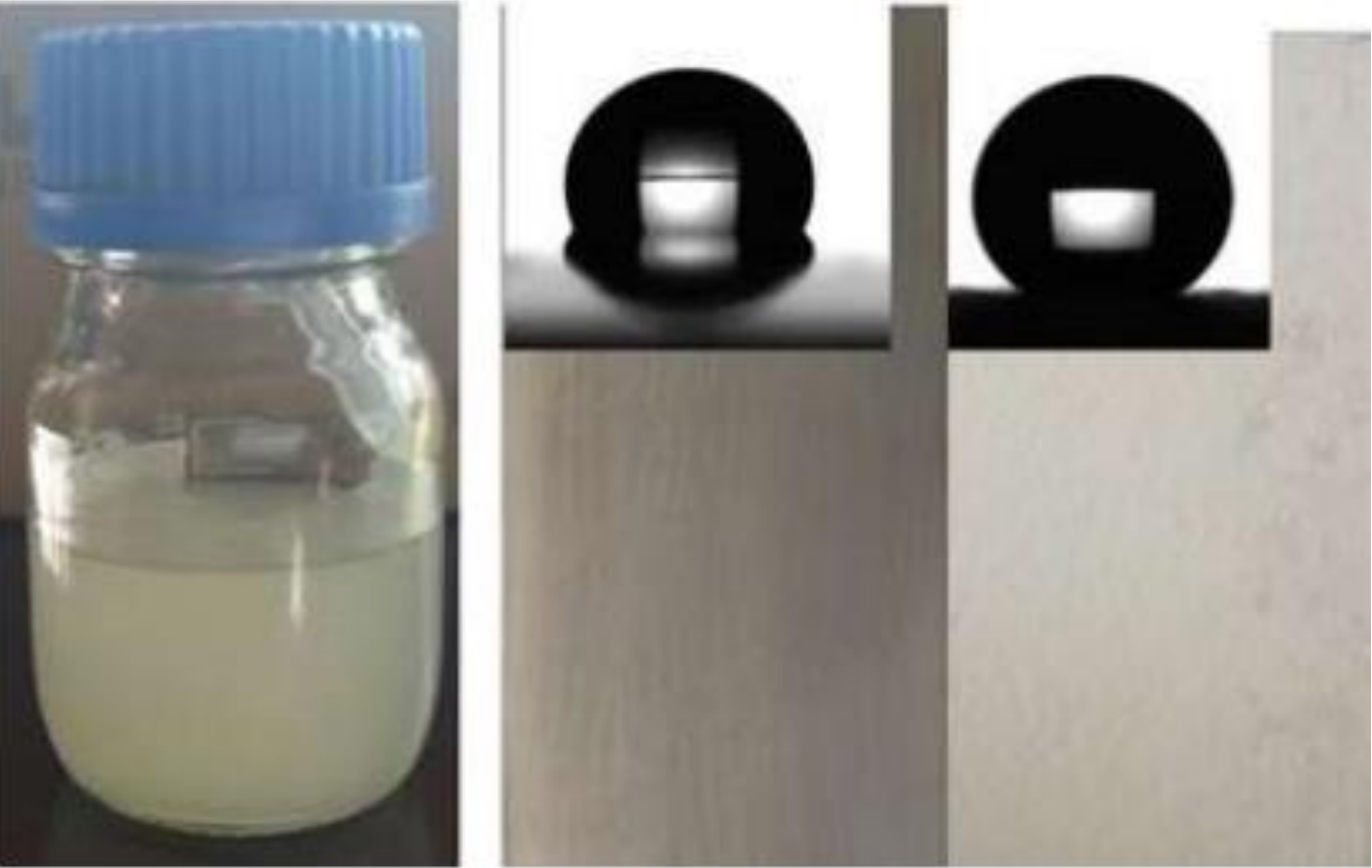
 润滑剂
润滑剂
 润滑油添加剂
 自润滑材料
自润滑材料
 密封材料
密封材料
 新兴材料
新兴材料
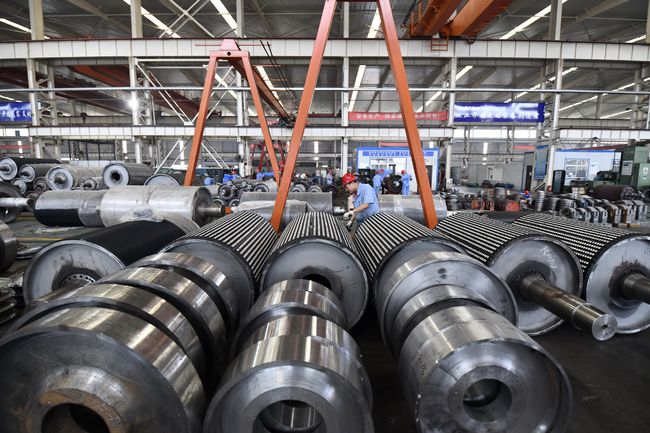 加工设备
加工设备
 摩擦试验机
摩擦试验机
 大型表征仪器
 小型测试设备