The study aimed to characterize the regional histological architecture, collagen type I/III composition, and biomechanical properties of human dura mater to provide insights for the biomimetic design of dural repair substitutes. Dura from nine formalin-fixed cadavers were harvested from four anatomical regions: the cranial calvaria, skull base, cervical enlargement, and lumbosacral enlargement. Histological architecture and collagen type I/III composition were assessed using H&E and picrosirius red staining; elastic fibers were visualized with aldehyde fuchsin staining. Collagen type I/III contents were quantified by LC–MS/MS. Mechanical properties, including thickness, ultimate tensile strength, elastic modulus, elongation at break, and toughness, were determined by uniaxial tensile testing. Prototype patches were fabricated using a collagen type I/III blend and mechanically compared against those made from type I collagen alone using uniaxial tensile testing. Cranial dura exhibited four to five interwoven collagen lamellae, whereas spinal dura comprised three predominantly longitudinal layers. Low levels of collagen III were detected in both cranial and spinal dura. Cranial samples were dominated by collagen I with lower collagen III/I ratio, whereas spinal dura showed a relatively higher collagen III/I ratio, mainly attributable to lower collagen I content rather than an increase in absolute collagen III content. Elastic fibers were sparse in cranial dura, least abundant at the skull base, and most abundant in the lumbosacral region. Tensile tests showed that spinal dura had higher elastic modulus than the calvaria. The lumbosacral region exhibited greater tensile strength, elongation at break, and toughness than the calvaria, and higher tensile strength than the skull base. Correlation analyses suggested regional collagen subtype ratio and elastic fiber abundance were associated with elastic modulus. In the preliminary proof-of-concept tensile comparison, patches incorporating 20% type III collagen exhibited increased elongation at break and higher ultimate tensile strength than type I collagen-only control patches. Human dura mater displays pronounced site-dependent structure-composition-mechanics relationships. Regional variations in architecture, collagen type I/III ratio and elastin abundance help explain the distinct mechanical characteristics in cranial and spinal dura. The findings provide a basis for the design of biomimetic dural graft to improve repair outcomes.
周老师: 13321314106
王老师: 17793132604


邮箱号码: lub@licp.cas.cn





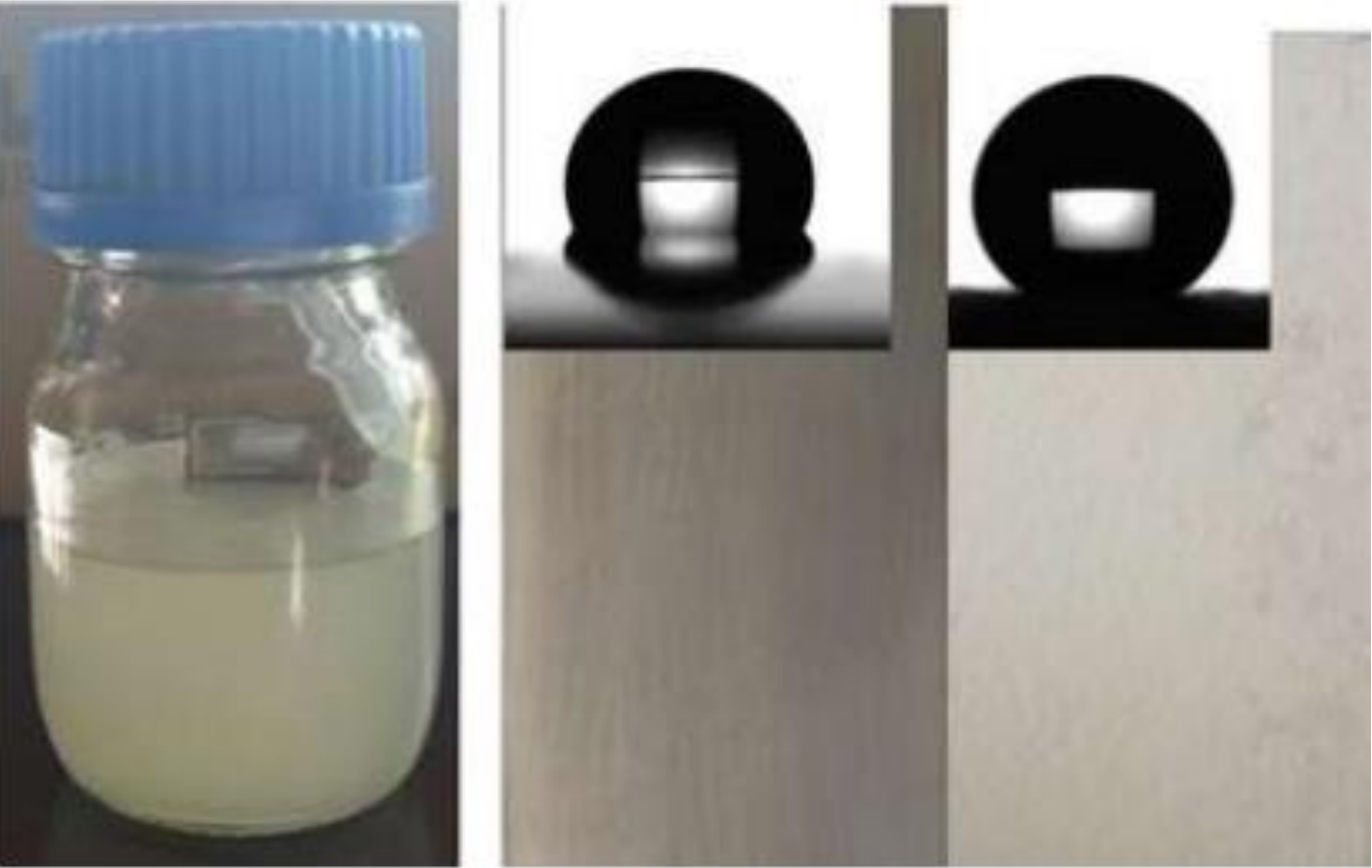
 润滑剂
润滑剂
 润滑油添加剂
 自润滑材料
自润滑材料
 密封材料
密封材料
 新兴材料
新兴材料
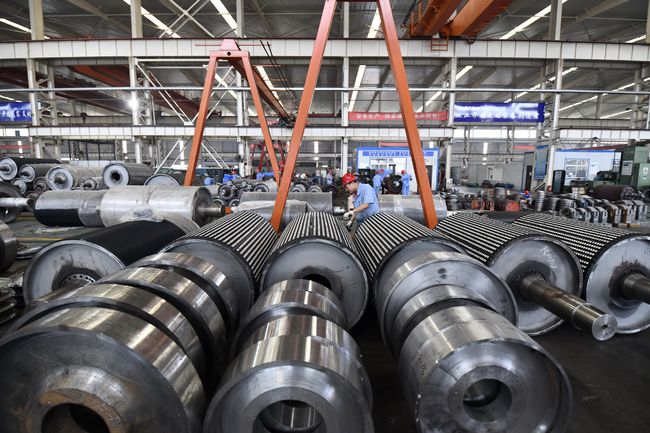 加工设备
加工设备
 摩擦试验机
摩擦试验机
 大型表征仪器
 小型测试设备