Under the “Dual Carbon” goals, reducing carbon emissions from contaminated site remediation is urgent. However, most existing studies have focused on Cd, Pb, and other heavy metals, and research on the remediation of Cr(VI) has long centered primarily on removal efficiency and risk management. There is a relative lack of research specifically addressing carbon emissions accounting and reduction strategies for sites contaminated with Cr(VI). This study, therefore, presents the first comprehensive carbon emissions assessment for Cr(VI) contaminated site remediation and explores emission mitigation pathways based on a project in East China. A life cycle assessment (LCA) was applied to define system boundaries and compile inventories for chemical washing, chemical reduction, and chemical washing combined with reduction. The carbon footprint was calculated using Emission Factor Methods, with key factors identified via contribution and sensitivity analyses. Mitigation potential was assessed through technical and energy system optimization and their integration, resulting in targeted strategies. Results show that treating 1 m3 of Cr(VI)-contaminated soil emits 407.75, 27.52, and 227.27 kg CO2eq, respectively. The remediation stage dominates emissions for washing (63.77%) and combined (57.37%), while wastewater treatment dominates for reduction (57.78%). Technical, energy, and coupled optimizations reduce emissions by 24–30%, 2–24%, and 31–48%, respectively. Key measures include improving reagent efficiency, controlling transport distance, recycling water, and selecting suitable techniques. This study focuses on the application, based on the case studies from the East China region. It considers the soil pollution situation of Cr(VI), calculates the total carbon emissions during the entire life cycle of the remediation process, and conducts a comprehensive analysis of contribution rates, sensitivity, and emission reduction potential. This provides a reference for the formulation of carbon reduction strategies in the remediation process of similar contaminated sites.
周老师: 13321314106
王老师: 17793132604


邮箱号码: lub@licp.cas.cn




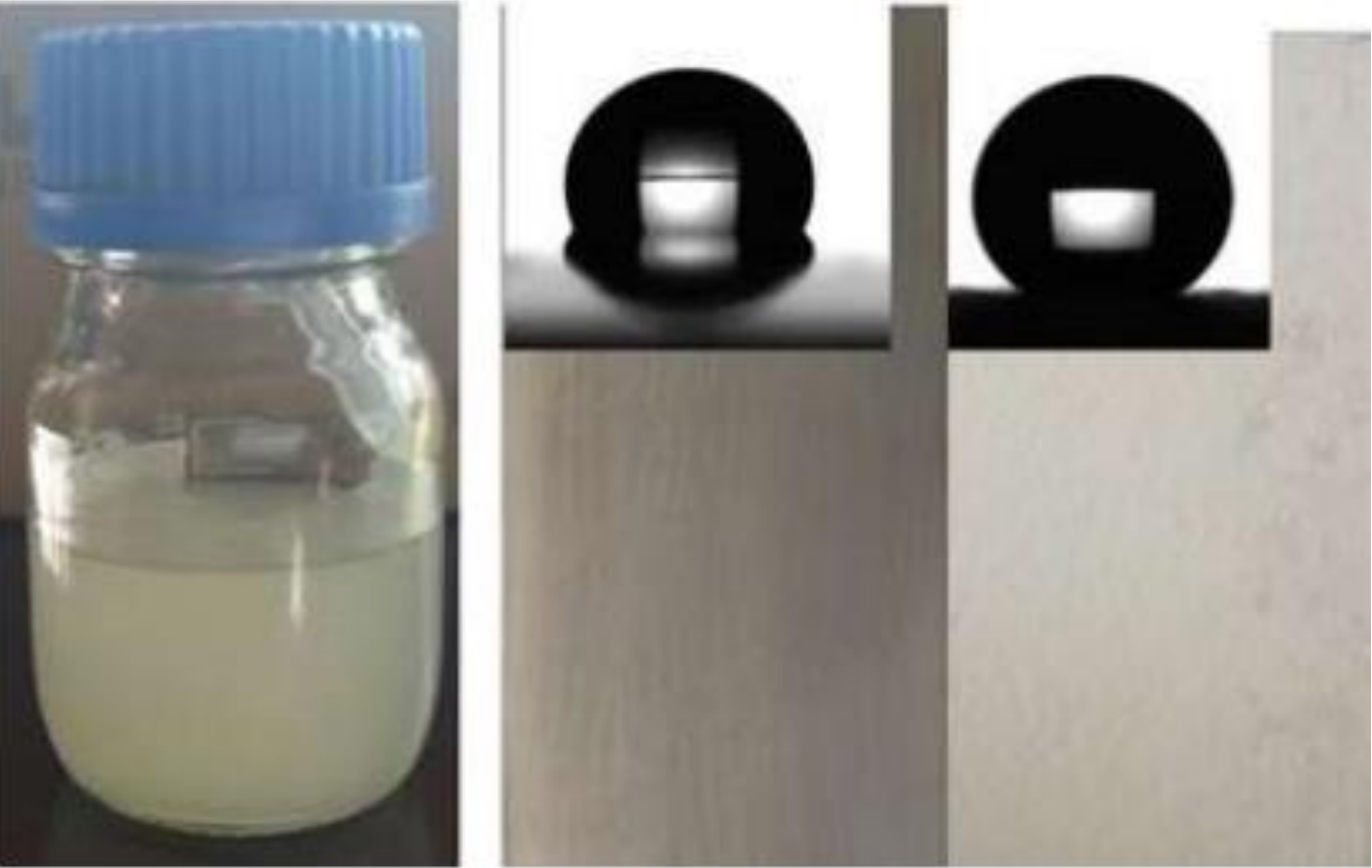
 润滑剂
润滑剂
 润滑油添加剂
 自润滑材料
自润滑材料
 密封材料
密封材料
 新兴材料
新兴材料
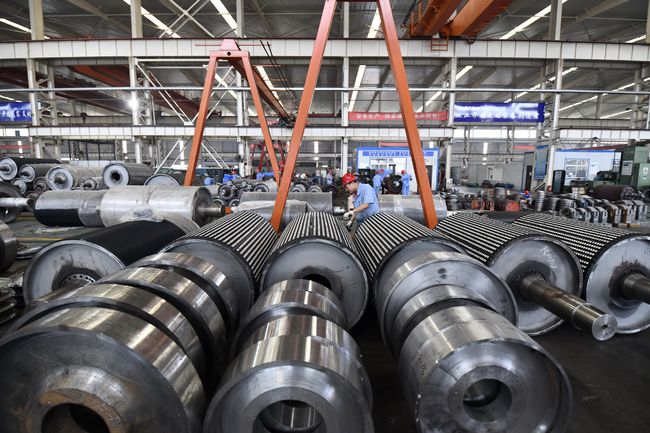 加工设备
加工设备
 摩擦试验机
摩擦试验机
 大型表征仪器
 小型测试设备