The design of fracture-resistant materials has long been hindered by the complexity of toughening mechanisms across multiple length scales1,2. Mechanical metamaterials offer a promising platform to address this challenge, yet existing research has largely focused on passively characterizing fracture in conventional lattice architectures3,4,5,6,7,8. Recent studies have demonstrated the potential of elastic instabilities to enhance functionalities in architected materials9,10,11,12,13,14,15,16,17,18; however, their connection to fracture resistance remains unexplored. Here we demonstrate that fracture behaviours in mechanical metamaterials can be actively programmed by exploiting elastic instabilities, thereby bridging the two traditionally disconnected failure modes. Through a combination of experiments and simulations, we show that controlled manipulation of the inelastic zone size in pseudoplastic metamaterials enables a transition from intrinsic to extrinsic fracture behaviour, accompanied by up to a one-order-of-magnitude increase in fracture energy. This work represents a shift from passive observation to active control of fracture mechanics, establishing a new framework for designing metamaterials with tailored fracture resistance. Our findings not only advance the fundamental understanding of instability–fracture interactions in metamaterials but also suggest a broadly applicable route for programming fracture behaviours through instability design.
周老师: 13321314106
王老师: 17793132604


邮箱号码: lub@licp.cas.cn





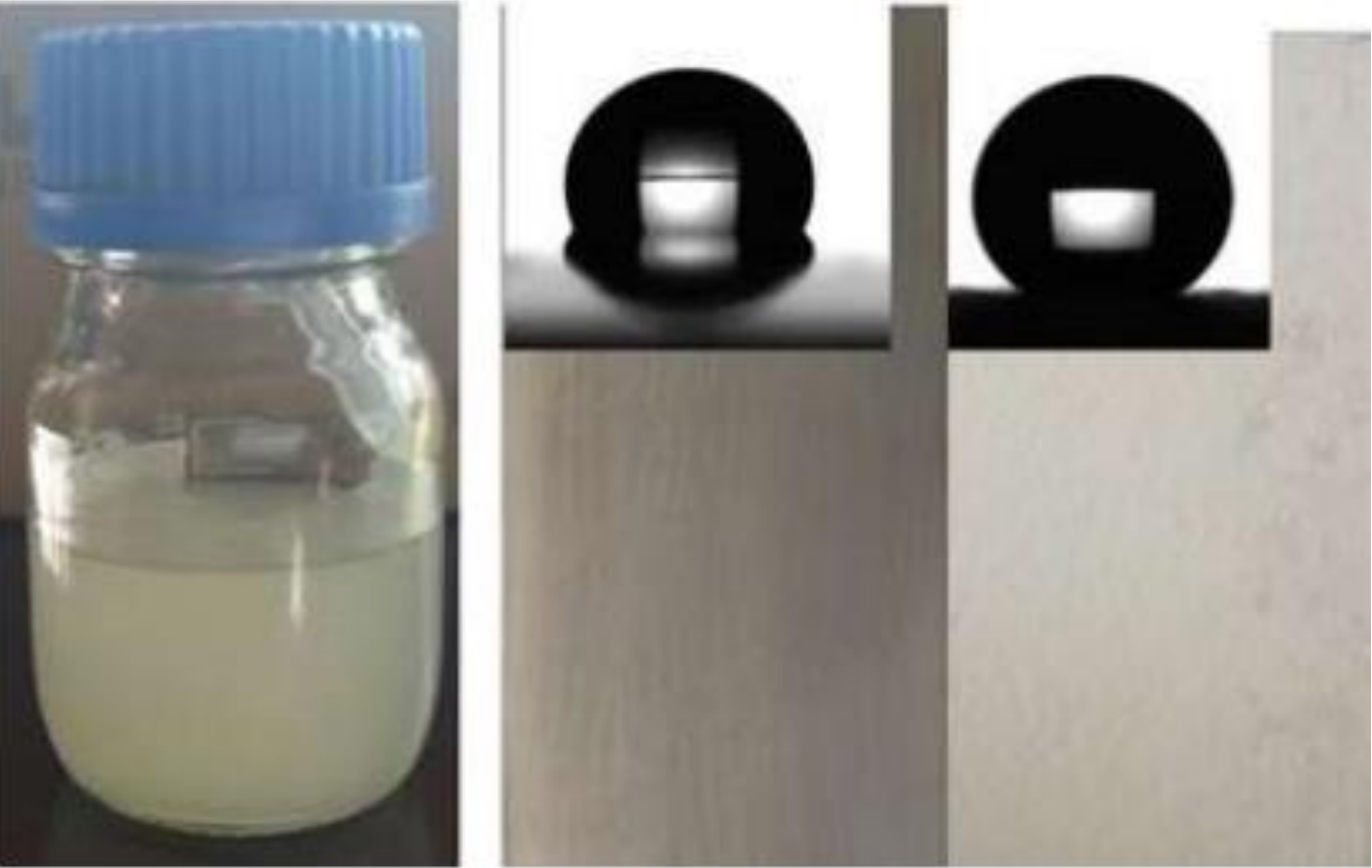
 润滑剂
润滑剂
 润滑油添加剂
 自润滑材料
自润滑材料
 密封材料
密封材料
 新兴材料
新兴材料
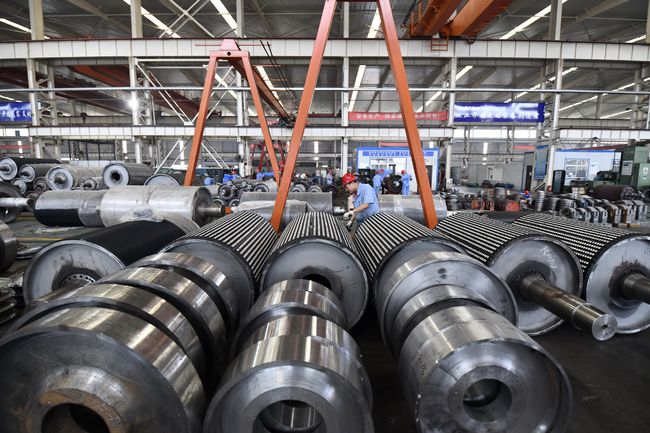 加工设备
加工设备
 摩擦试验机
摩擦试验机
 大型表征仪器
 小型测试设备