Conventional vanadium chemistries have been hindered by limited capacity inherent to the ion-insertion mechanism and modest redox potentials in near-neutral media, constraining their suitability for high-energy aqueous batteries. Here we demonstrate a conversion-type vanadium redox that delivers concomitant superiority in capacity and potential for aqueous batteries. OH−-mediated chemical activation promotes V–O bond cleavage, thereby driving a transition from the single-electron insertion reaction to the four-electron conversion reaction. As confirmed by in situ synchrotron characterizations, a tailored mesoporous architecture enriches local OH−, facilitating the reversible conversion between V2O3 and Na3VO4. The conversion anode delivers a high specific capacity of 700 mAh g−1 with 98% vanadium utilization, a low redox potential of −0.95 V versus standard hydrogen electrode and reversible cycling over 3,000 cycles. An alkaline Ni–V battery is fabricated, with a projected whole-battery-level energy density of up to 110 Wh kg−1. This work paves the way to tuning the reaction pathway and offers insights into multielectron redox design for next-generation aqueous batteries.
周老师: 13321314106
王老师: 17793132604


邮箱号码: lub@licp.cas.cn




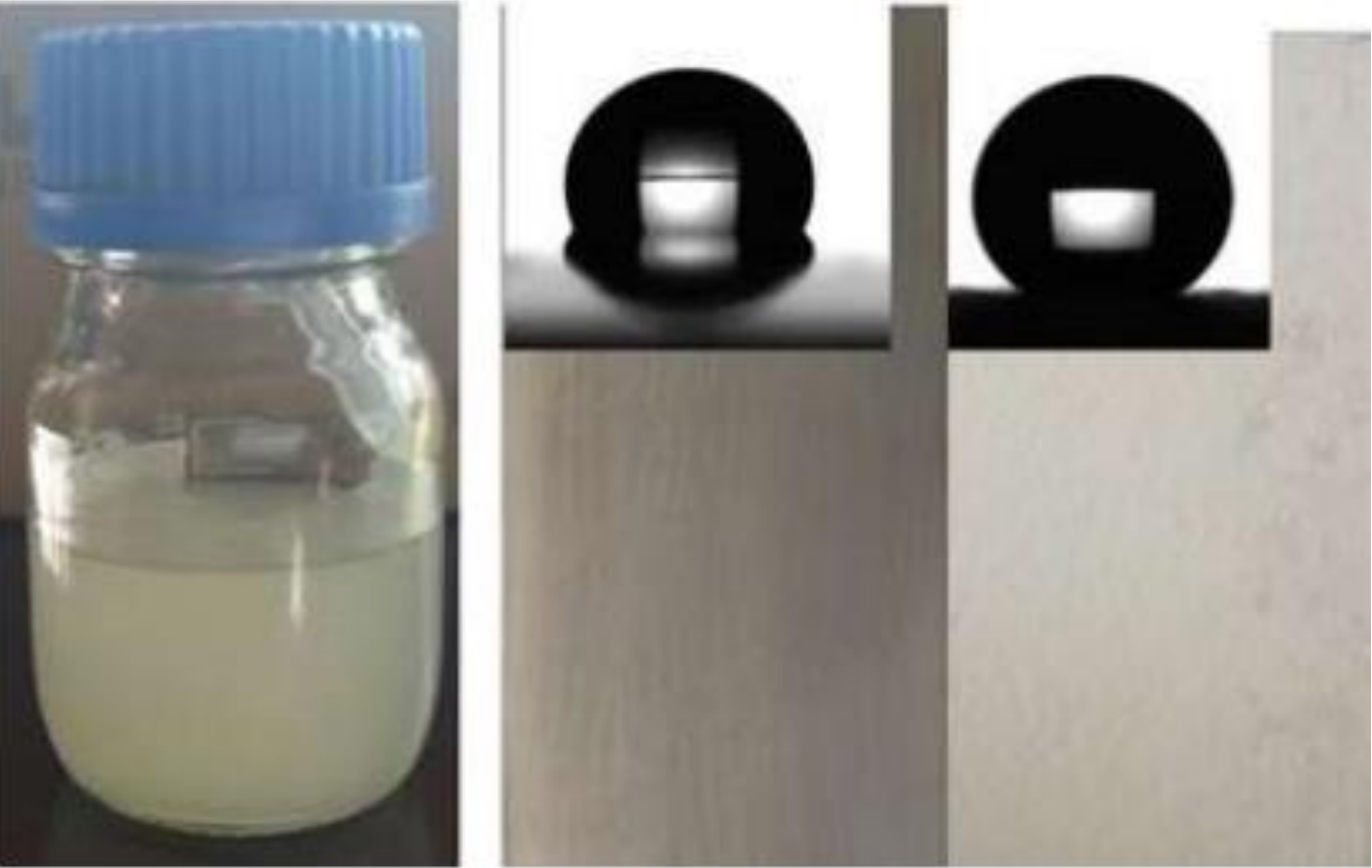
 润滑剂
润滑剂
 润滑油添加剂
 自润滑材料
自润滑材料
 密封材料
密封材料
 新兴材料
新兴材料
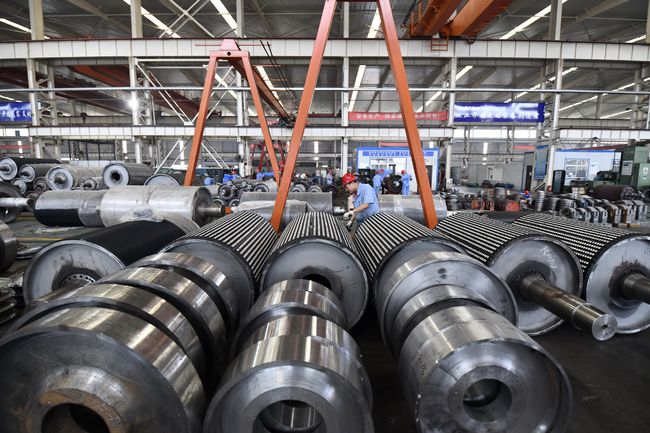 加工设备
加工设备
 摩擦试验机
摩擦试验机
 大型表征仪器
 小型测试设备