Endogenous chemiluminescence offers a transformative approach to photodynamic therapy that circumvents the limited penetration of external light and enables tumor-selective activation. However, most chemiluminescence-driven photodynamic therapy (CL-PDT) systems typically rely on intracellular oxidants (e.g., H2O2) as chemiexcitation “fuels”, which conceptually contradicts the primary goal of elevating intratumoral oxidative stress. In this study, we report a sequential H2S-triggered redox relay nano-photosensitizer, NP-Rubine, which addresses the fundamental “redox paradox” by decoupling photon generation from oxidation consumption. Composed of an H2S-responsive chemiluminescent probe (Rubine) and a N-oxide scaffold (OPDEA-Ppa), NP-Rubine is selectively activated by endogenous H2S to initiate an efficiency chemiluminescence resonance energy transfer (CRET) cascade for efficient singlet oxygen (1O2) production. Concurrently, the N-oxide moiety promotes deep tumor penetration via transcytosis and depletes the intracellular NADPH pool. By synergistically coupling oxidant generation with reductant exhaustion, NP-Rubine synergistically amplifies intracellular redox imbalance to induce apoptosis. In vivo studies substantiate that NP-Rubine achieves exceptional deep-tissue imaging and potent antitumor efficacy in HCT116 xenografts. This bio-reductant, self-sustained targeted CL-PDT strategy circumvents the practical hurdles of oxidation-fueled systems, offering a robust benchmark for precision nanomedicine in complex redox landscapes.
周老师: 13321314106
王老师: 17793132604


邮箱号码: lub@licp.cas.cn




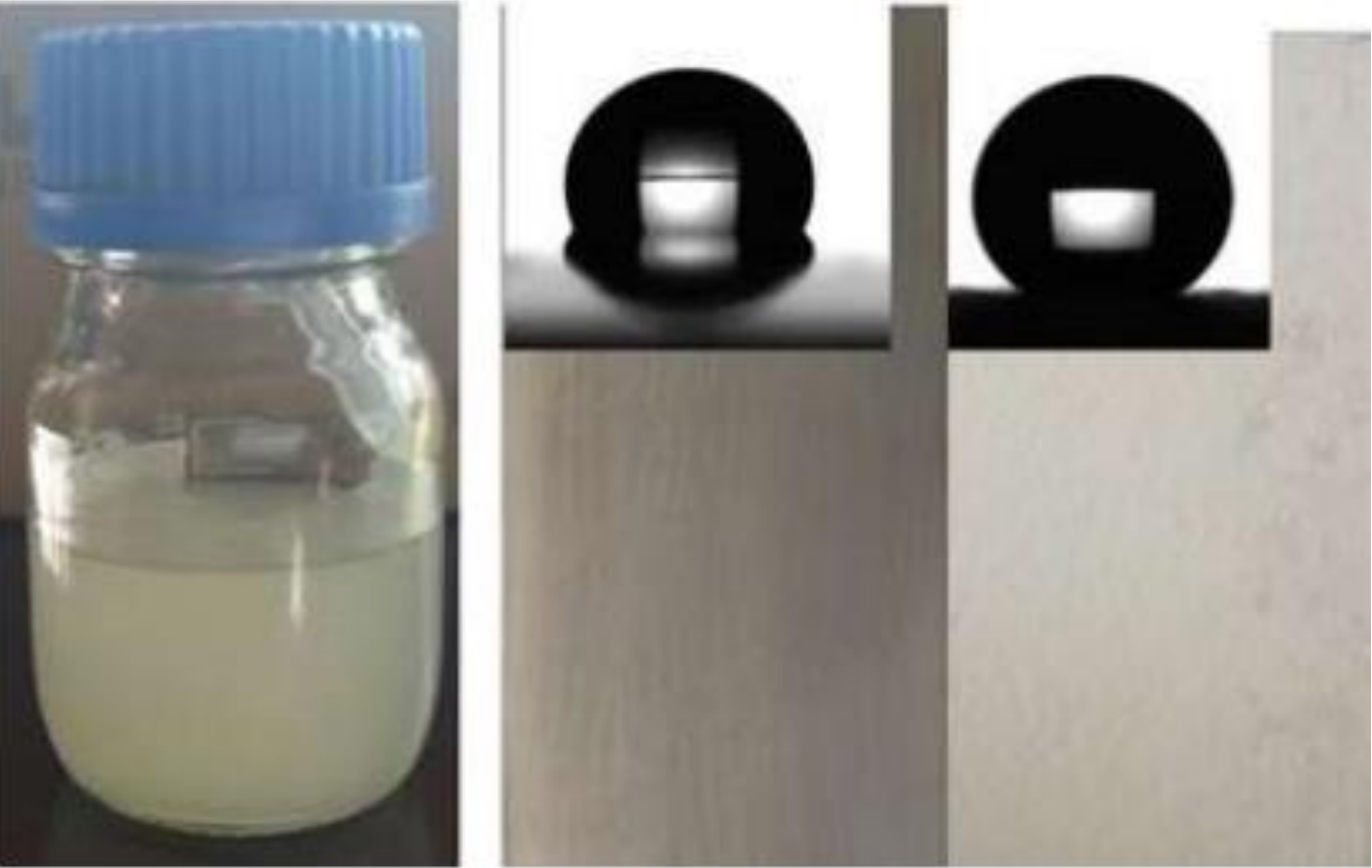
 润滑剂
润滑剂
 润滑油添加剂
 自润滑材料
自润滑材料
 密封材料
密封材料
 新兴材料
新兴材料
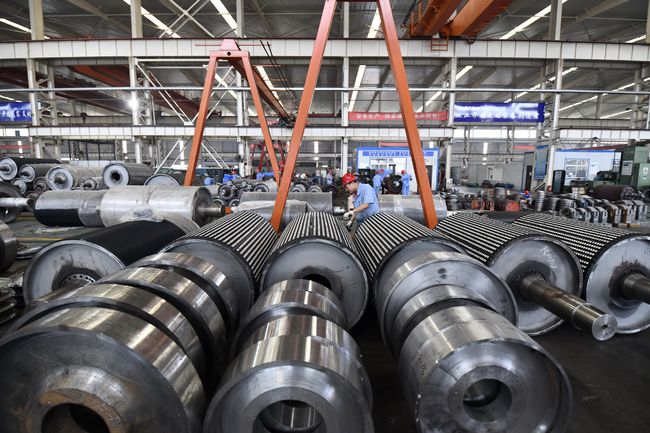 加工设备
加工设备
 摩擦试验机
摩擦试验机
 大型表征仪器
 小型测试设备