Laser quenching is an advanced surface-strengthening technique with important applications in aerospace and defence manufacturing. In large-scale processing, multiple overlapping passes can result in repeated thermal cycles in the overlapping regions that are re-heated. These regions may include regions of re-austenitization, secondary tempering regions, and overheat softening regions, depending on the history of the local peak temperatures. These heated-affected areas may cause deformation of the crystal structure, local softening, and loss of uniformity of the hardened layer. The associated thermal damage mechanism remains insufficiently clarified. In this work, 12Cr2Ni4A gear steel was investigated using a cross-scale model incorporating Voronoi-based microstructural heterogeneity. Through coupling of the macroscopic temperature field and microscopic structural response, the influence of laser spot characteristics on the quenching mechanism was quantitatively evaluated. Microstructural evolution pole figures were extracted and compared with EBSD experimental data, while plastic finite element analysis was employed to examine the internal thermo-mechanical response. The results show that a rectangular laser spot effectively suppresses heat accumulation during overlapping and improves the depth uniformity of the hardened layer. The mismatch of grain boundary mechanics is the core cause of the local von Mises stress variation, and the sensitivity of the secondary tempering zone is significant. The causes include the incompatibility of thermal strains resulting from thermal cycling, as well as the uneven activation of slip due to differences in grain orientation. The peak stress under the Gaussian heat source reaches 1038 MPa, much higher than 900.7 MPa under the rectangular source, confirming the advantage of the rectangular spot in accommodating microstructural deformation and reducing stress concentration.
周老师: 13321314106
王老师: 17793132604


邮箱号码: lub@licp.cas.cn





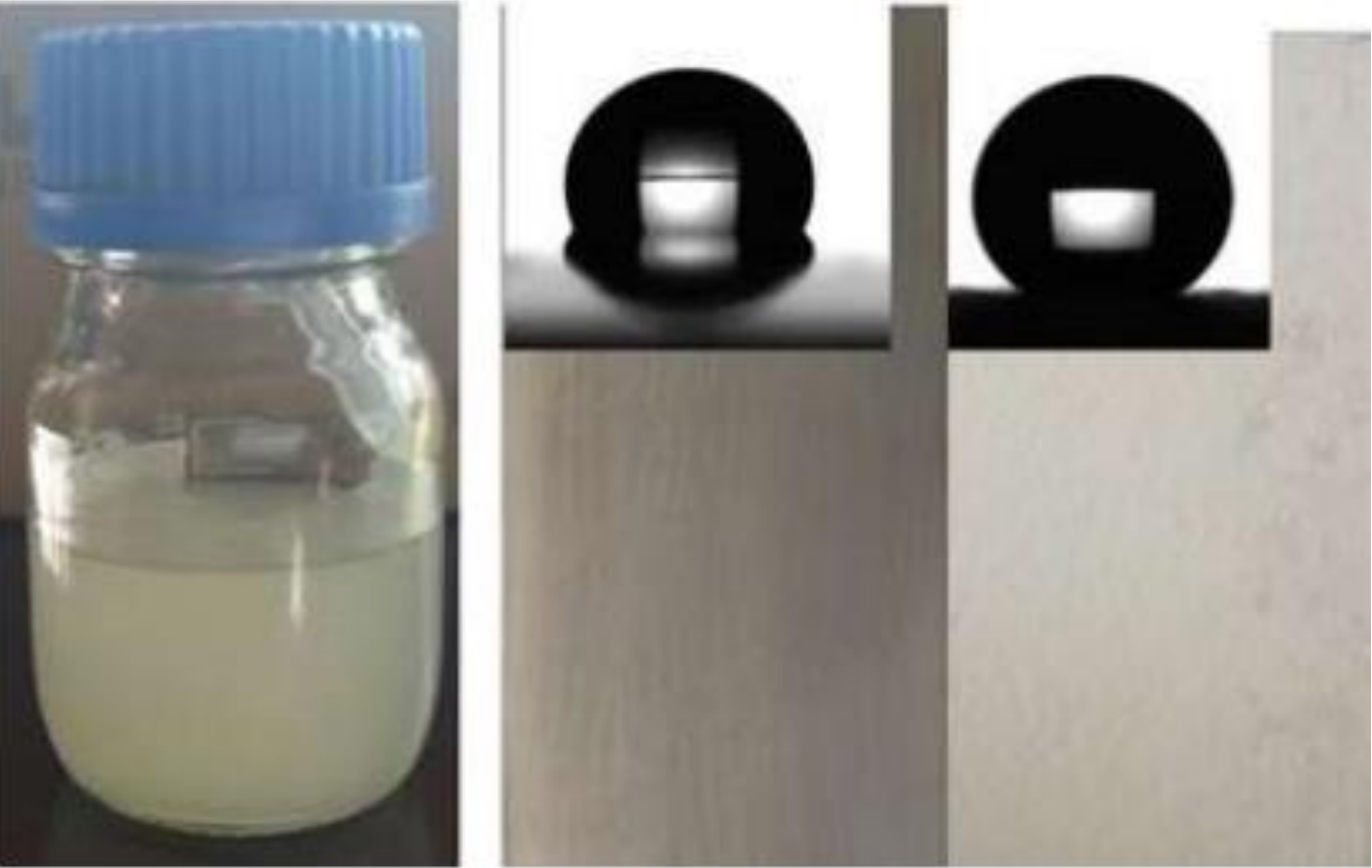
 润滑剂
润滑剂
 润滑油添加剂
 自润滑材料
自润滑材料
 密封材料
密封材料
 新兴材料
新兴材料
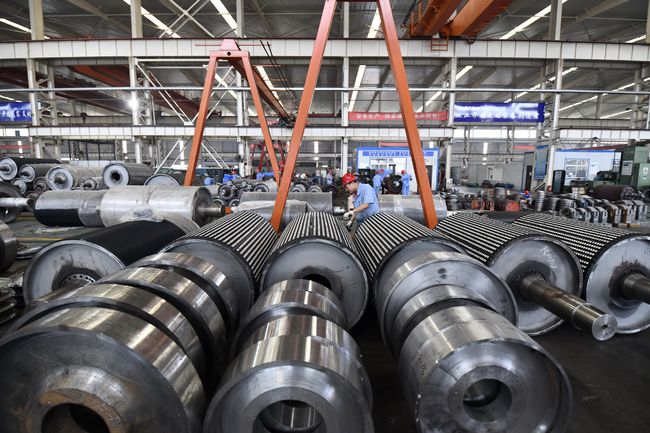 加工设备
加工设备
 摩擦试验机
摩擦试验机
 大型表征仪器
 小型测试设备