Transition metal sulfides (TMSs) are widely recognized as promising catalysts for the oxygen evolution reaction (OER), yet their large-scale application is hindered by poor conductivity, severe aggregation and sluggish reaction kinetics. To address these issues, a ternary CoS2/FeS2/Ti3C2Tx hybrid is rationally constructed via a three-in-one strategy, which simultaneously achieves the support introduction, morphology modulation and heterojunction construction. Structural characterizations reveal a hierarchical architecture composed of 1D CoS2 nanorods, 0D FeS2 nanoparticles and 2D conductive Ti3C2Tx nanosheets, wherein CoS2 and FeS2 form a distinctive 1D/0D heterojunction. Density functional theory calculations demonstrate that strong electronic coupling at the CoS2/FeS2 heterointerface accelerates electron transfer and optimizes the adsorption behavior of oxygen intermediates. Benefiting from the synergistic effects between the CoS2/FeS2 heterojunction and the conductive Ti3C2Tx support, the as-prepared CoS2/FeS2/Ti3C2Tx hybrid exhibits elevated conductivity, promoted dispersibility and accelerated reaction kinetics, thus resulting in markedly improved OER performance as compared to the control samples. Additionally, the CoS2/FeS2/Ti3C2Tx hybrid presents a remarkably low overpotential of 284 mV when used as the anode catalyst in a water-splitting device, demonstrating its outstanding applicability for overall water electrolysis. Overall, this work provides a viable strategy for engineering high-performance TMS-based electrocatalysts through heterointerface design and conductive support integration.
周老师: 13321314106
王老师: 17793132604


邮箱号码: lub@licp.cas.cn





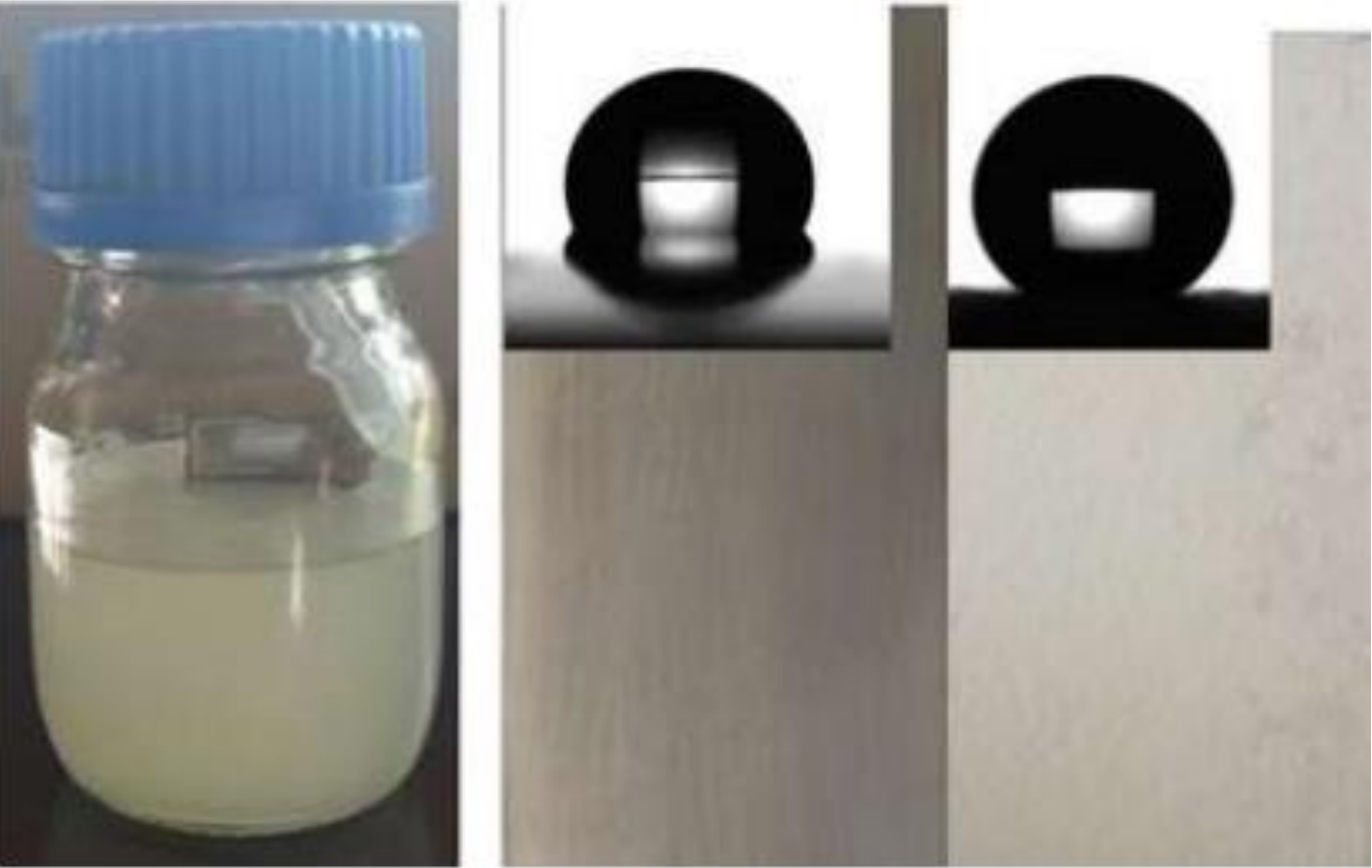
 润滑剂
润滑剂
 润滑油添加剂
 自润滑材料
自润滑材料
 密封材料
密封材料
 新兴材料
新兴材料
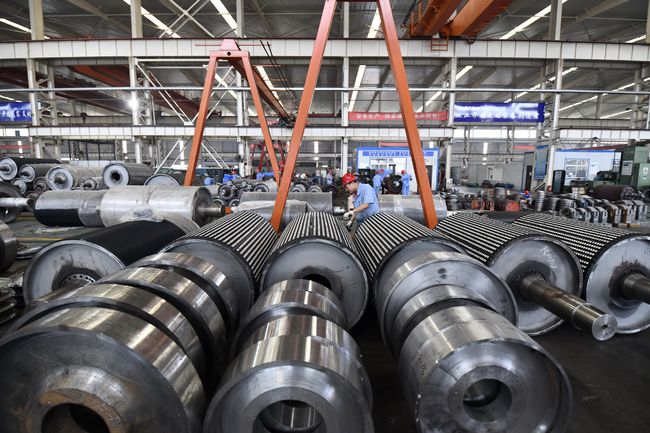 加工设备
加工设备
 摩擦试验机
摩擦试验机
 大型表征仪器
 小型测试设备