This study examines an Mg-8Li-5Al-0.5Ca-0.2Y alloy subjected to multi-step thermo-mechanical processing comprising hot extrusion, hot rolling, and room-temperature rolling. Extrusion at 300 °C triggers dynamic recrystallization of the α-Mg phase and leads to the formation of MgLi2Al and AlLi precipitates within the β-Li matrix, while Al2Ca and Al2Y phases segregate along the extrusion direction. Subsequent rolling at 260 °C and room temperature further refines α-Mg grains, raises dislocation density, and homogenizes the dispersed Al2Ca and Al2Y particles. Texture analysis indicates that the α-Mg component reorients from the transverse direction toward the normal direction, driven by the competition between basal and prismatic slip, and exhibits enhanced texture strength. In contrast, the β-Li phase preserves stable α- and γ-fiber textures. The multi-step deformation process endows the alloy with a balanced combination of tensile strength (303 MPa), yield strength (273 MPa), and elongation (8.6%). These improvements are attributed to collective contributions from grain refinement, stress-induced phase transformation, and dislocation accumulation during plastic deformation. The established microstructure-property correlations provide a viable pathway for designing high-strength Mg alloys with tailored texture and phase distribution.
周老师: 13321314106
王老师: 17793132604


邮箱号码: lub@licp.cas.cn





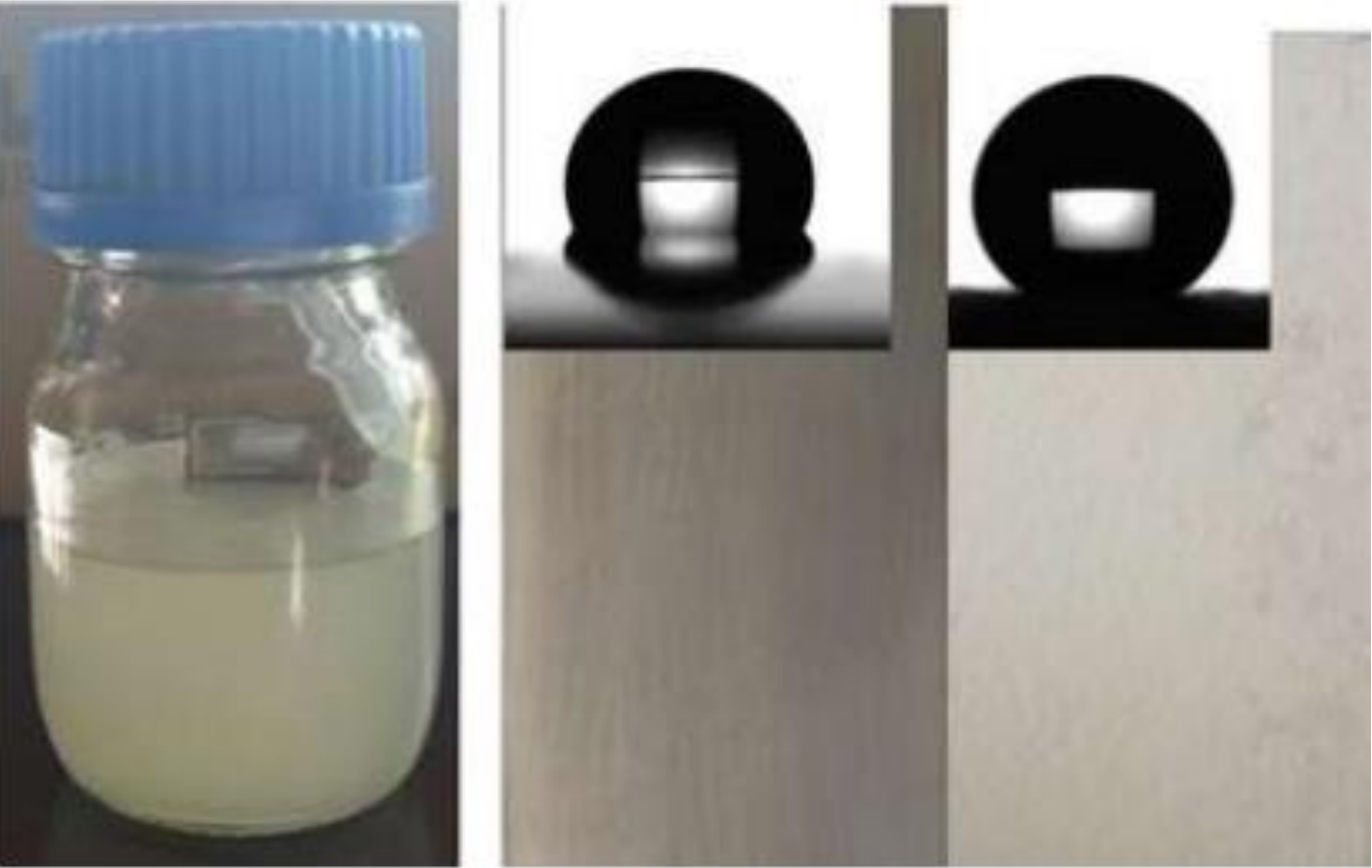
 润滑剂
润滑剂
 润滑油添加剂
 自润滑材料
自润滑材料
 密封材料
密封材料
 新兴材料
新兴材料
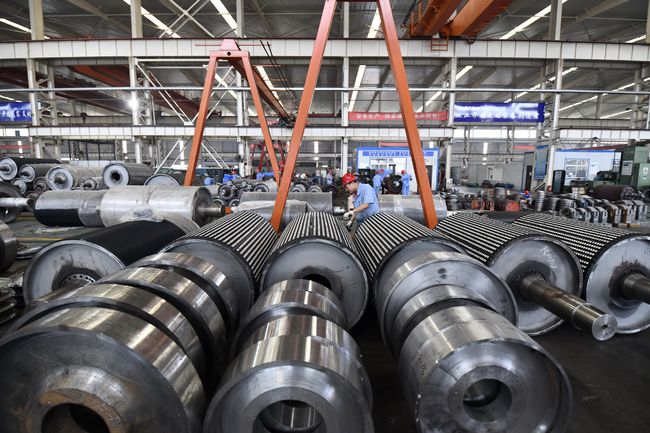 加工设备
加工设备
 摩擦试验机
摩擦试验机
 大型表征仪器
 小型测试设备