To enhance the productivity of heat exchangers, a new type of heat transfer fluid called hybrid nanofluid was characterized. An abundance of industrial and technological processes depends on heat transfer through these fluid flows, whether in laminar or turbulent conditions. The thermal resistance of the fluid based on a heat transfer system might be increased to improve a significant number of applications. Therefore, the present investigation, establishing a framework for differential equations to examine the influence of thermal radiation and heat source/sink on magnetohydrodynamics (MHD) Marangoni convection flow of hybrid nanofluid (HNF) in a Saturated Porous medium. By introducing new similarity variables, the problem of Marangoni convection is simplified to account for the effects of radiation and porous medium. This study’s originality is the combined impact of the heat source and porous material. The governing nonlinear partial differential equations for momentum and energy are transformed into ordinary differential equations by applying the required similarity adjustment. The shooting strategy is used to achieve numerical solutions for certain modeled ordinary differential equations. Excellent agreement with the shooting technique in the MATLAB (bvp4c) code is demonstrated by a comprehensive numerical comparison conducted for a variety of variables. Investigations are conducted into specific physical characteristics related to temperature and velocity profiles. For several factors, the results are tabulated and graphically analyzed. The velocity plots are increasing with the rise in the Stretching parameter, and volume quantity of copper, while for large values of marangoni parameter, porosity parameter, and Magnetic parameter the opposite trend shows. Larger volume concentrations of copper, larger values of heat source parameter, thermal radiation, and stretching parameter features all increase the temperature pattern, while opposite trends shows for porosity components, magnetic, and marangoni parameter. The graph of streamlines and isotherms are also plotted. The numerical results were compared with previous published work.
周老师: 13321314106
王老师: 17793132604


邮箱号码: lub@licp.cas.cn





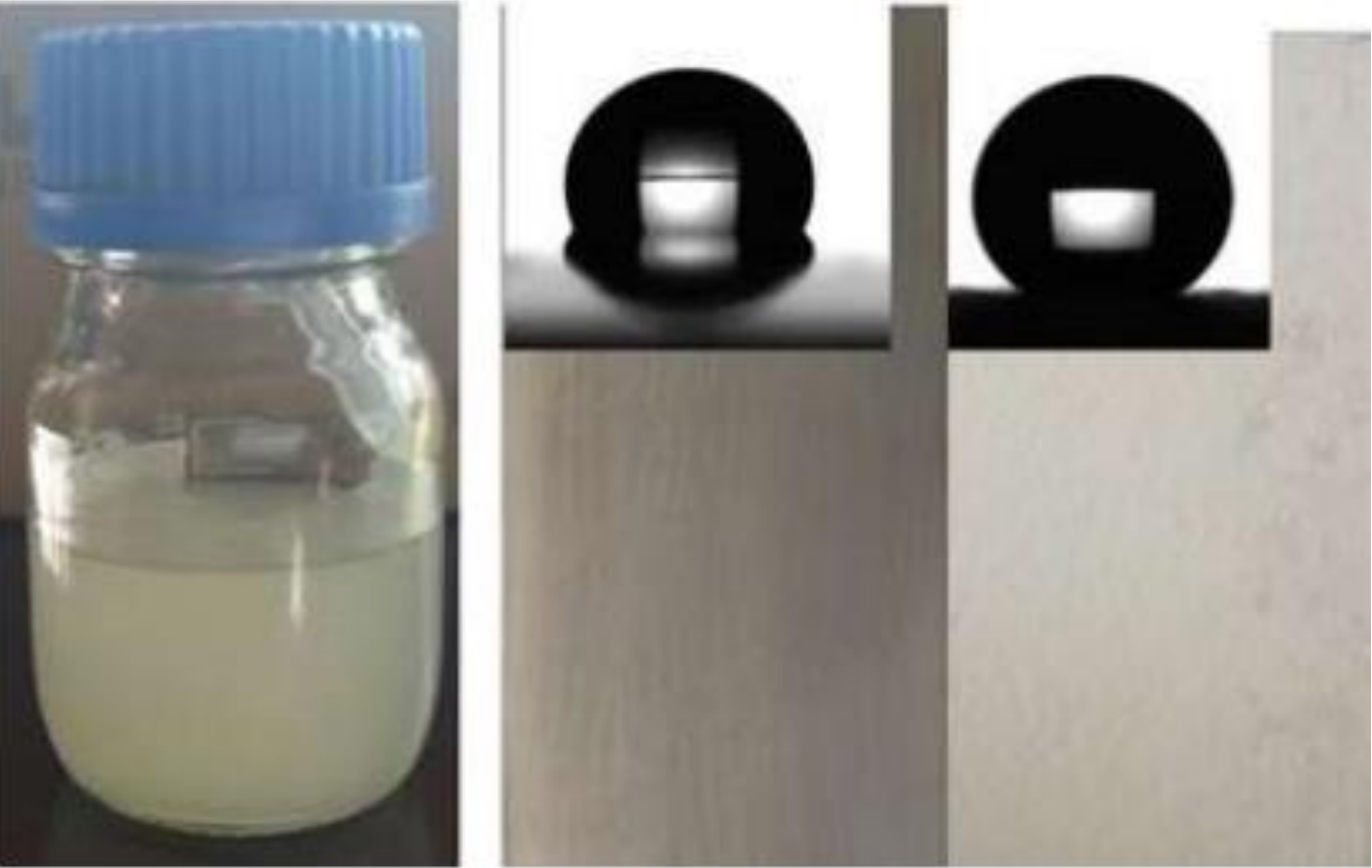
 润滑剂
润滑剂
 润滑油添加剂
 自润滑材料
自润滑材料
 密封材料
密封材料
 新兴材料
新兴材料
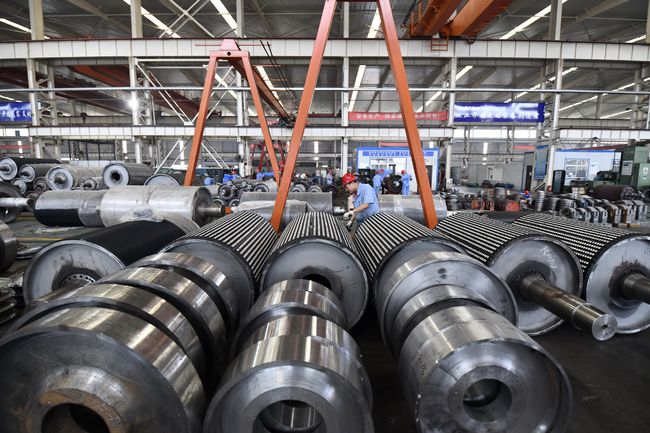 加工设备
加工设备
 摩擦试验机
摩擦试验机
 大型表征仪器
 小型测试设备