Ultra-high-performance concrete (UHPC) has emerged as a popular research material in the engineering community, because of its superior high strength performance. The performance of UHPC is further optimized by the addition of nanomaterials. This study examined the compressive strength, flexural strength, and durability (including sulfate attack resistance and carbonation resistance) of nano-modified ultra-high-performance concrete (UHPC-N), which was created by synergistically modified basalt fiber (BF) with multi-walled carbon nanotubes (MWCNTs) and graphene oxide (GO). The experimental results indicate that when the concentration of carbon nanoparticles increases, the compressive and flexural strengths of UHPC initially rise and thereafter decline. The mechanical characteristics of UHPC-BF with 0.012wt.% MWCNTs/GO are superior. Following 28d of standard curing, the compressive strength and flexural strength exhibited increases of 61.8% and 95.2% greater, respectively. The durability test comprising 90 cycles indicated that UHPC-N using MWCNTs and GO had superior performance in both sulfate attack and carbonization conditions. When the MWCNTs to GO ratio ranged from 0.5 to 2.0, UHPC-N exhibited exceptional mechanical characteristics and endurance. The compressive strengths are maximal of 130.3 MPa at 30cycles and whereas the minimal mass loss rate is of −0.11% after 90cycles. Hydration matrix analyses indicate that MWCNTs/GO can diminish the size and orientation of portlandite while facilitating the production of the gel, thus enhancing the microstructure of UHPC. Furthermore, the gel formation of UHPC-N augments the strength at both nano-scale and micron-scale. This study offers novel insights into the nano-scale enhancement and fortification of UHPC, as well as its resistance to sulfate corrosion and carbonation.
周老师: 13321314106
王老师: 17793132604


邮箱号码: lub@licp.cas.cn




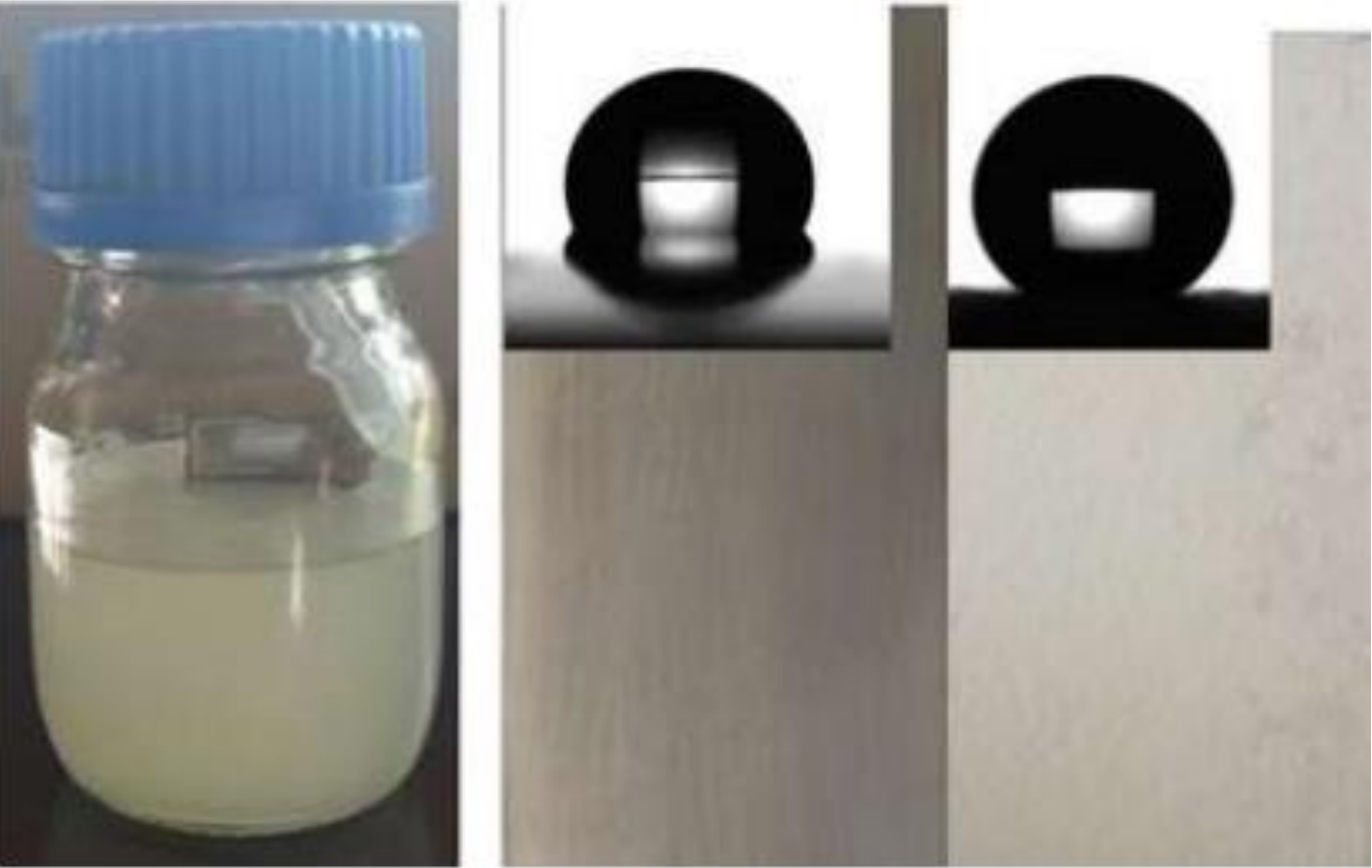
 润滑剂
润滑剂
 润滑油添加剂
 自润滑材料
自润滑材料
 密封材料
密封材料
 新兴材料
新兴材料
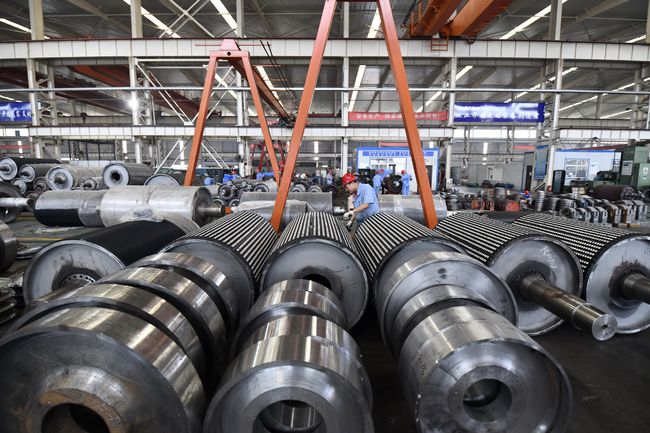 加工设备
加工设备
 摩擦试验机
摩擦试验机
 大型表征仪器
 小型测试设备