The Fe(III)|Fe(IV) redox couple in iron-containing Na layered oxides enables high-capacity, cost-effective positive electrodes. However, although a high iron content (when the Fe concentration exceeds 33 at.% on transition metal layers) leads to rapid capacity decay during battery cycling, the underlying mechanism of this detrimental behaviour remains unclear. Here we report that the electrochemomechanical failure mechanism in Fe-rich Na layered oxides is related to the stability of the Fe octahedral coordination environment at the nanoscale. Fe-ion migration and dissolution govern the formation of intragranular microcracking in the positive electrode active material particles, accompanied by dislocations and an uneven distribution of mechanical stress. Driven by the non-uniform strain field, microcracks proliferate and planar gliding occurs, resulting in a stepped surface. By nanoscale doping with Al(III) (1 at.%), Y(III) (1 at.%) and Co(III) (3 at.%), we inhibit the Fe-ion migration and dissolution, thereby reducing cracks and planar gliding. Using the multi-element nanoscale-doped iron-rich sodium layered oxide at the positive electrode and a hard-carbon-based negative electrode, we assembled and tested 2.7-Ah Na-ion pouch cells showing an initial specific energy of 121 Wh kg−1 (based on the total mass of the cell) at 26 mA g−1, and a discharge capacity retention of 83.4% after 2,000 cycles at 130 mA g−1 at 25 °C.
周老师: 13321314106
王老师: 17793132604


邮箱号码: lub@licp.cas.cn




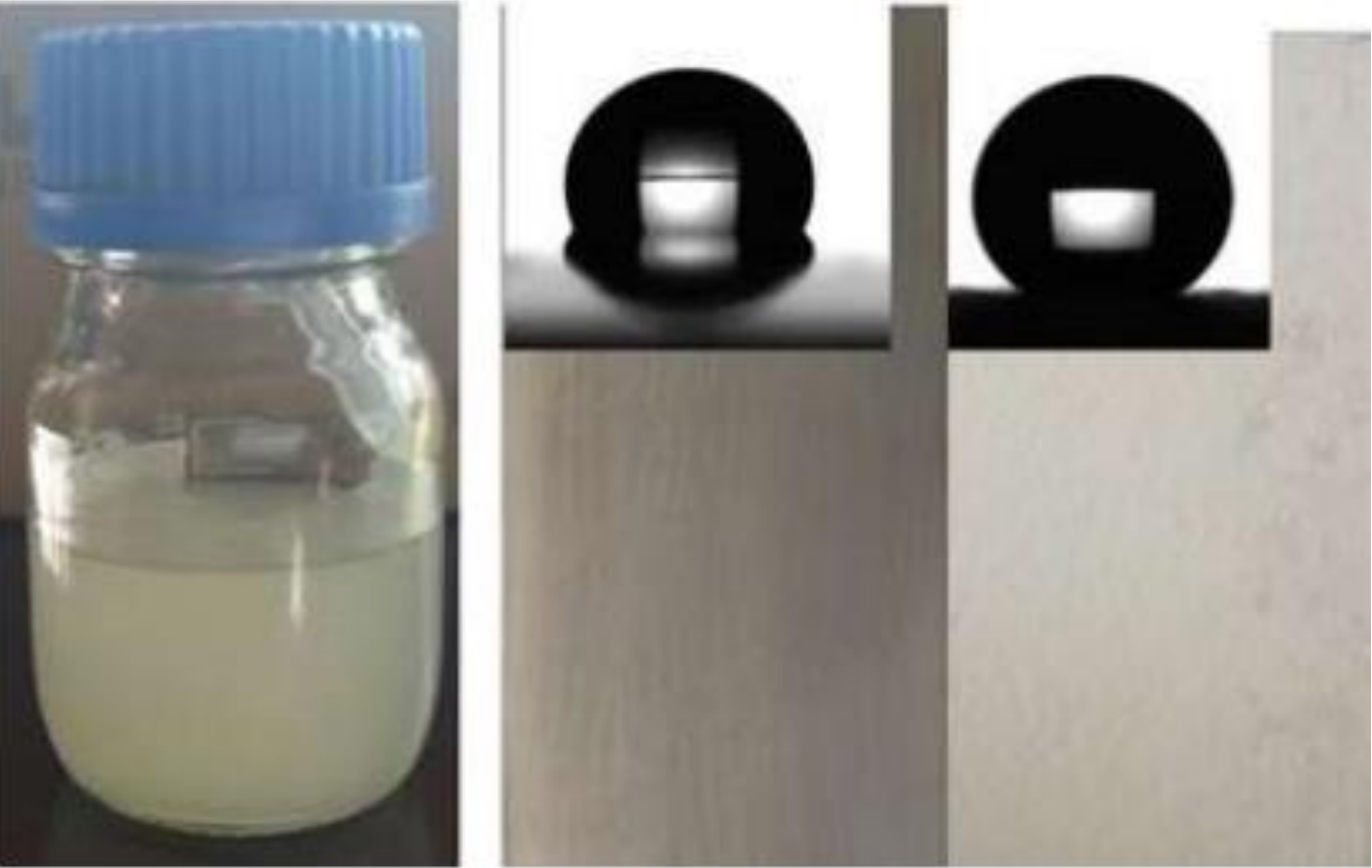
 润滑剂
润滑剂
 润滑油添加剂
 自润滑材料
自润滑材料
 密封材料
密封材料
 新兴材料
新兴材料
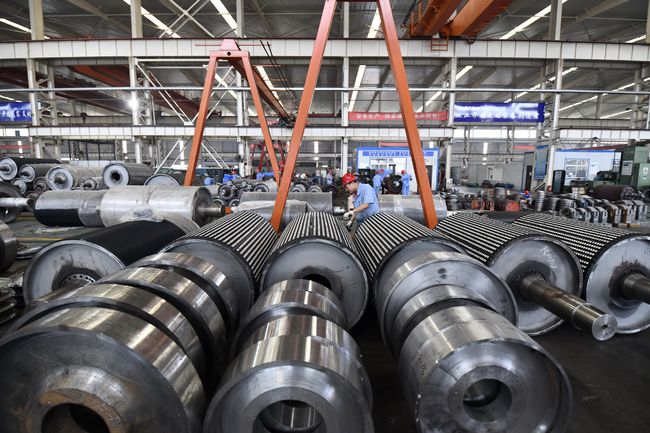 加工设备
加工设备
 摩擦试验机
摩擦试验机
 大型表征仪器
 小型测试设备