The application of DLC coatings in hydrogen plasma is limited due to etching and friction-induced failure. Metal-doping is a novel strategy to improve its performance. Herein, DLC coatings with different Ti concentrations were fabricated via magnetron co-sputtering. The mechanism of hydrogen plasma etching and its influence on tribological properties were investigated by characterization and simulation. The formation of TiC nanocrystals improves etching resistance, reducing the etching rate by up to 68.8%. A minimum friction coefficient of 0.14 was achieved, attributed to Ti-induced graphitization and hydrogen plasma-induced surface hydrogenation. MD simulations confirm the positive friction effects of hydrogen, and DFT calculations demonstrate that the strong hydrogen etching resistance of TiC nanocrystals arises from the high transition state energy barrier (~1.54 eV).
周老师: 13321314106
王老师: 17793132604


邮箱号码: lub@licp.cas.cn




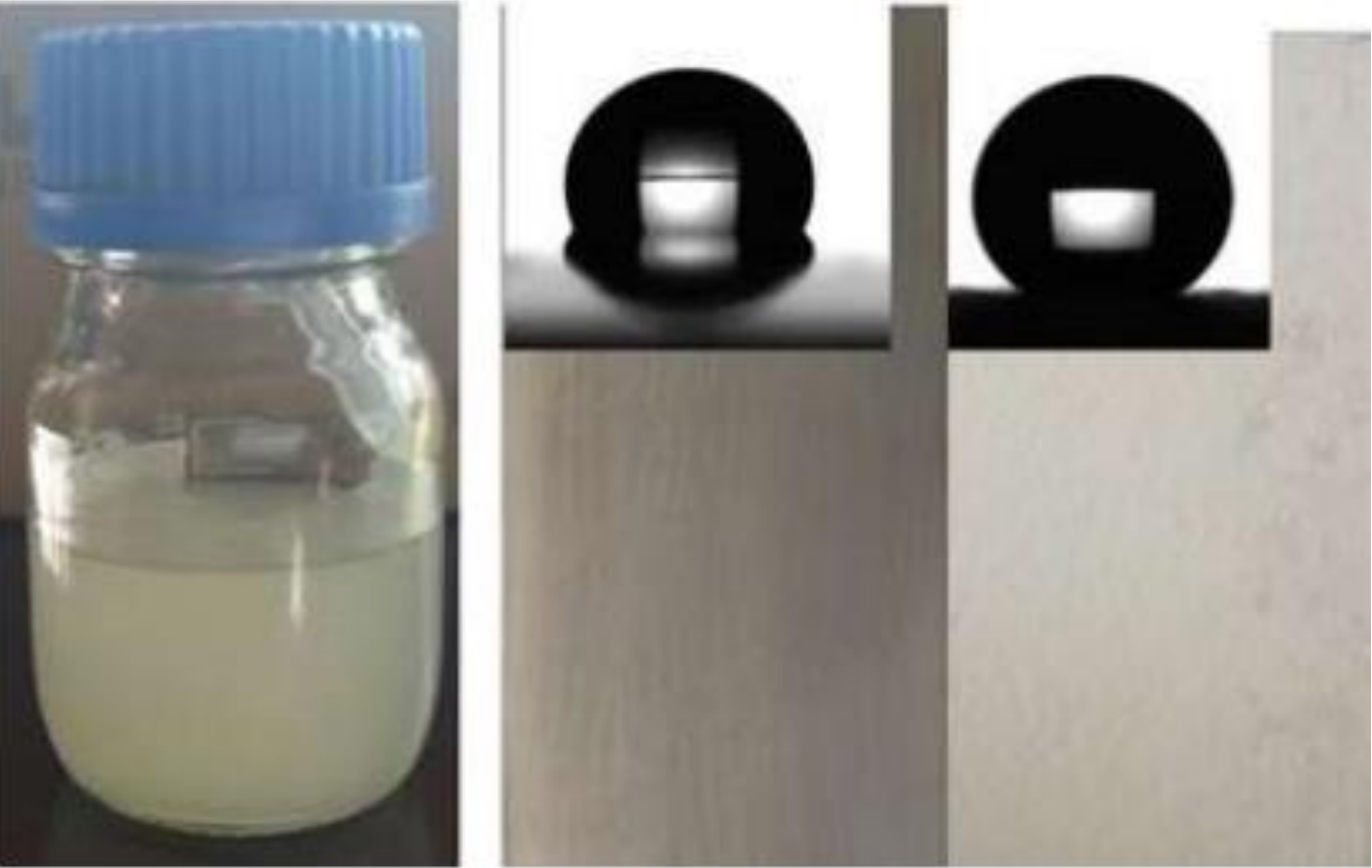
 润滑剂
润滑剂
 润滑油添加剂
 自润滑材料
自润滑材料
 密封材料
密封材料
 新兴材料
新兴材料
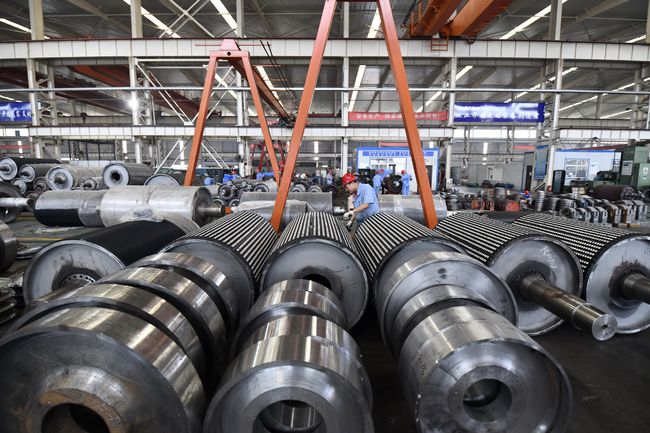 加工设备
加工设备
 摩擦试验机
摩擦试验机
 大型表征仪器
 小型测试设备