A numerical analysis investigates the feasibility of low power loss seals using alternative materials in a standard lip seal form-factor for railcar bearing seal applications. This form factor is a common topology that finds use in other applications including air compressors, turbine engines, aircraft landing systems and chemical equipment. The form factor, along with hyperelastic materials, most commonly NBR for railcar bearing seals, is known for its reliability. The alternative materials of interest are Polytetrafluoroethylene (PTFE) and filled PTFE with 15% Glass and 5% MoS2 (PTFE-GM). In addition to a low friction coefficient these materials exhibit dry-running capability and chemical compatibility. The impact of material choice, wear, and variations in seal design parameters on the contact zone and contact pressure distribution is presented. An axisymmetric, multi-scale finite element model (FEM) with Archard wear of the flexible seal and rigid shaft is developed such that the materials operate at a stress state below the yield strength such that no plastic flow occurs during assembly, installation, and operation. Results are presented showing the contact pressure distributions of varying scraper angle, barrel angle, garter spring tension, R-value, and interference fit. Results show PTFE-GM to be feasible for railcar bearing applications with a 49.6% reduction in power as compared to NBR (nitrile butadiene rubber). Pure PTFE shows a reduction of 87.6%, which represents an upper limit on power reduction but is not feasible in this form factor due to its high wear rate.
周老师: 13321314106
王老师: 17793132604


邮箱号码: lub@licp.cas.cn




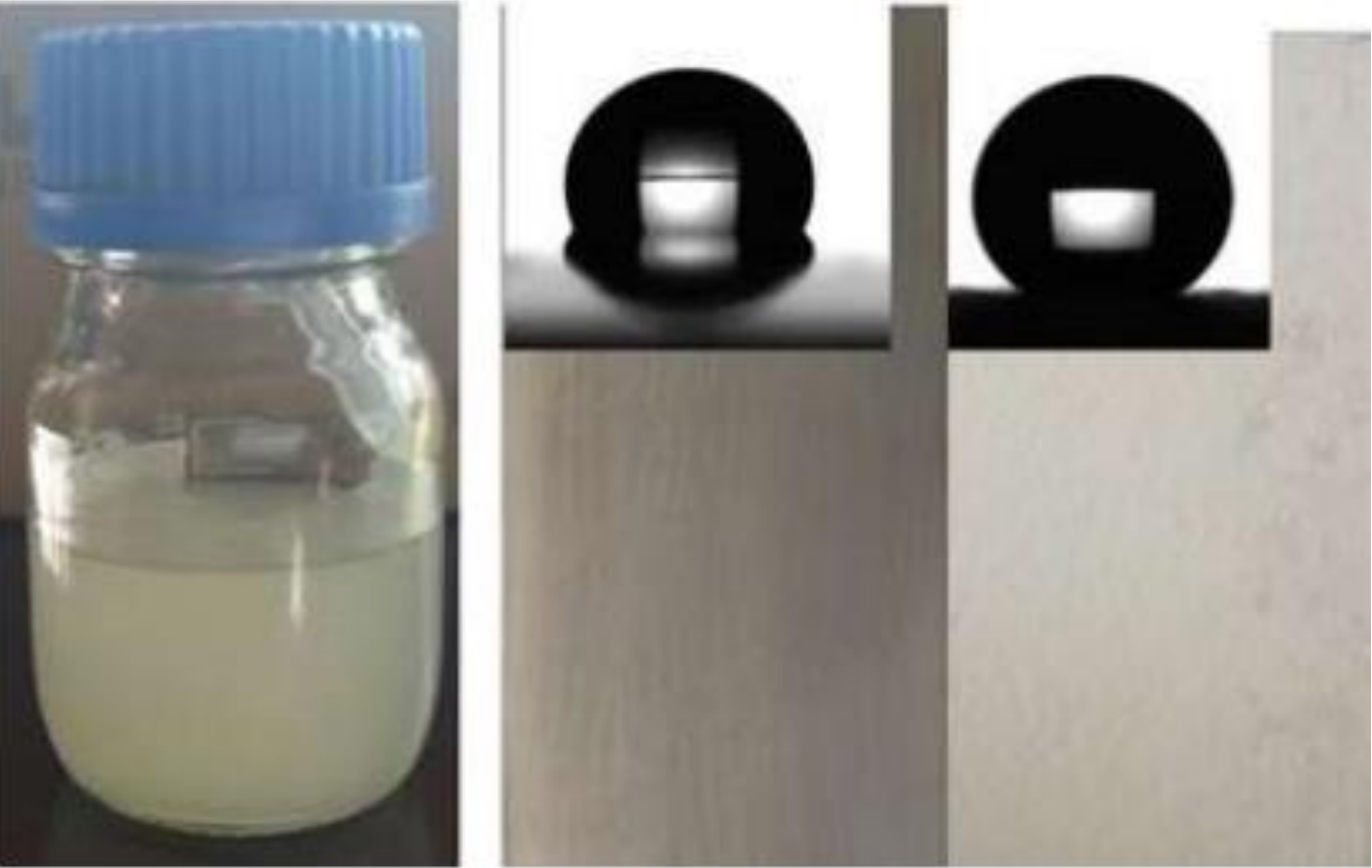
 润滑剂
润滑剂
 润滑油添加剂
 自润滑材料
自润滑材料
 密封材料
密封材料
 新兴材料
新兴材料
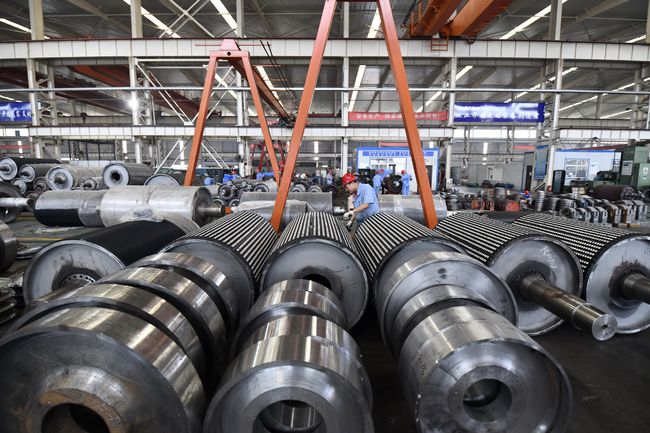 加工设备
加工设备
 摩擦试验机
摩擦试验机
 大型表征仪器
 小型测试设备