High-entropy carbide (HEC) coatings are promising for extreme environments, but their tribological performance and the effect of individual elements remain insufficiently understood. This study deposited (ZrNbTiCr)C and (ZrNbTiCrV)C coatings via plasma spraying and systematically compared their microstructure, mechanical properties, and frictional behavior. Adding V increased microhardness by 7.5% but reduced toughness by 9.1% and weakened structural integrity. Results revealed that the introduction of V weakens the interatomic bonding and reduces stability, which in turn leads to the oxidation of V to V 2O 5, which disrupted coating continuity and interfacial cohesion, serving as preferential sites for crack initiation and propagation. The (ZrNbTiCrV)C coating showed higher porosity with unmelted particles and oxidized segregations. The wear rate of the V-containing coating was approximately 1.8 times higher than that of its V-free counterpart. During sliding wear, the (ZrNbTiCr)C coating exhibited stable friction dominated by fatigue and oxidative wear, while the (ZrNbTiCrV)C coating showed higher, erratic friction coefficients with rapid failure due to mechanical delamination caused by numerous microscopic defects. From a tribological perspective, this work clarifies the detrimental role of vanadium and provides a guideline for designing wear-resistant HEC coatings by controlling the content of elements that form unstable oxides.
周老师: 13321314106
王老师: 17793132604


邮箱号码: lub@licp.cas.cn




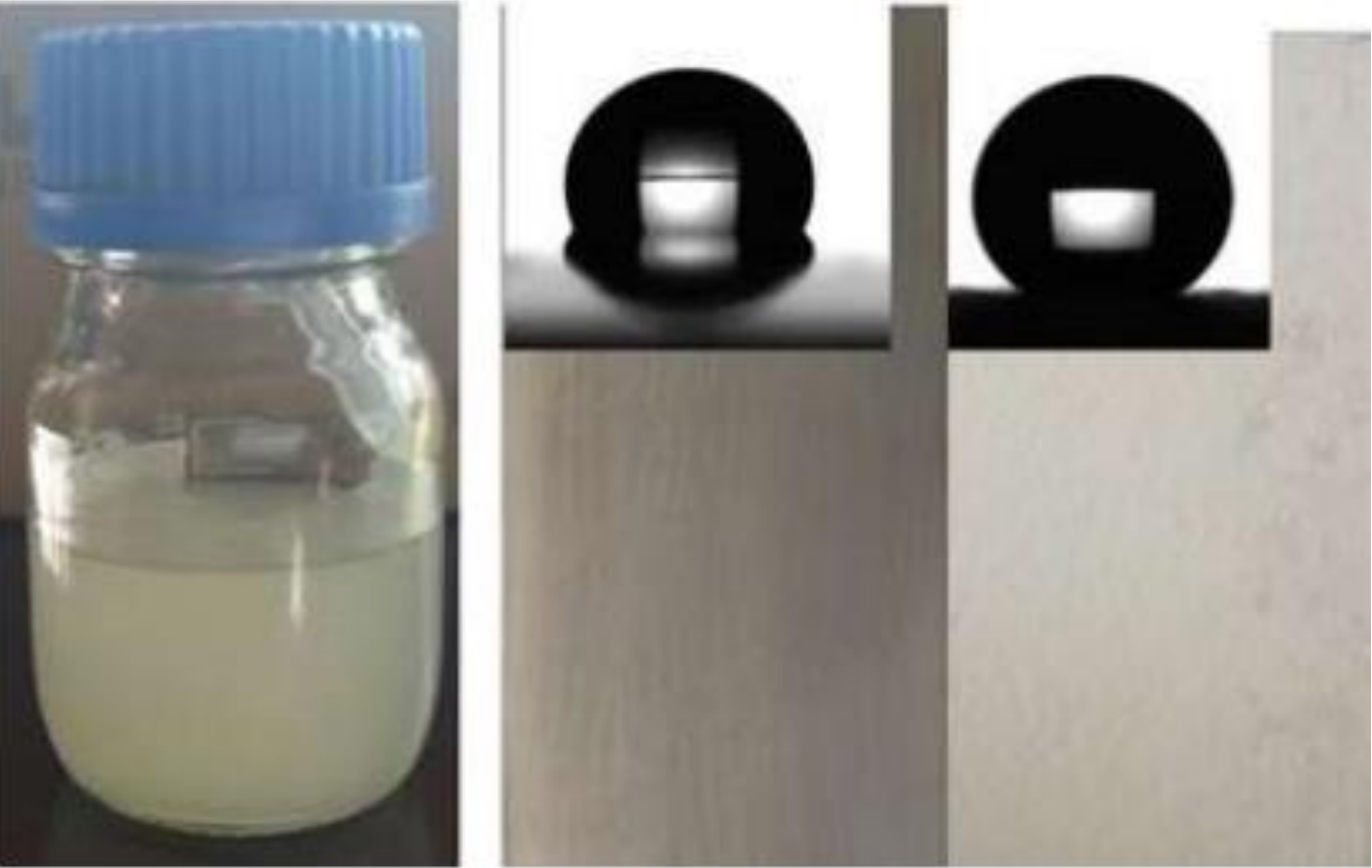
 润滑剂
润滑剂
 润滑油添加剂
 自润滑材料
自润滑材料
 密封材料
密封材料
 新兴材料
新兴材料
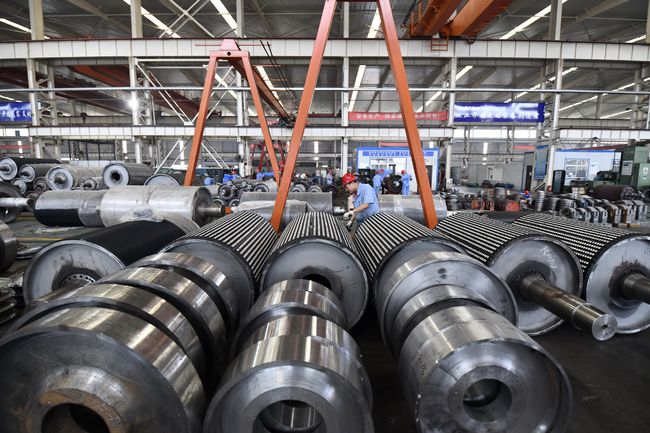 加工设备
加工设备
 摩擦试验机
摩擦试验机
 大型表征仪器
 小型测试设备