Hydraulic fracturing significantly enhances shale oil and gas productivity by increasing formation porosity and has become a cornerstone technology for unconventional hydrocarbon development. The transport performance and distribution characteristics of proppants directly determine the effectiveness of fracture stimulation, while frictional resistance at the shale/proppant interface substantially reduces proppant transport efficiency, restricts proppant mobility toward far-field fracture regions, and ultimately compromises proppant placement quality and hydrocarbon recovery. To address these challenges, this study proposes a technical approach involving the co-injection of phosphoric acid as a lubricant additive with fracturing fluids. By simulating the interaction between phosphoric acid as a lubricant component and the shale reservoir, alumina was selected as a model proppant material (as a primary component of high-performance ceramic proppants, effectively replicating the mechanical behavior of actual proppants). The regulatory mechanism of phosphoric acid on the frictional behavior of the shale/proppant interface was systematically investigated. Experimental results demonstrate that the coefficient of friction was significantly reduced from 0.45 to 0.05 after treatment with the phosphoric acid lubricant. Molecular dynamics simulations quantified the interaction energy between phosphoric acid and the shale/ceramic proppant (respectively composed of SiO2" role="presentation"> S i O 2 and Al2O3" role="presentation"> A l 2 O 3 ) interface, along with the corresponding atomic pair radial distribution functions. Friction reduction is initially achieved through hydrogen bond-induced hydration during the run-in stage. This effect is subsequently maintained by hydrodynamic pressure enhancement resulting from surface smoothing in the stable-wear stage. Thus, the order-of-magnitude reduction in the friction coefficient at the shale/proppant interface is primarily driven by hydrodynamic pressure effects, with additional contributions from the hydrogen bonding network in hydration. These findings provide new insights for optimizing proppant transport and enhancing the commercial recovery of shale oil and gas.
周老师: 13321314106
王老师: 17793132604


邮箱号码: lub@licp.cas.cn




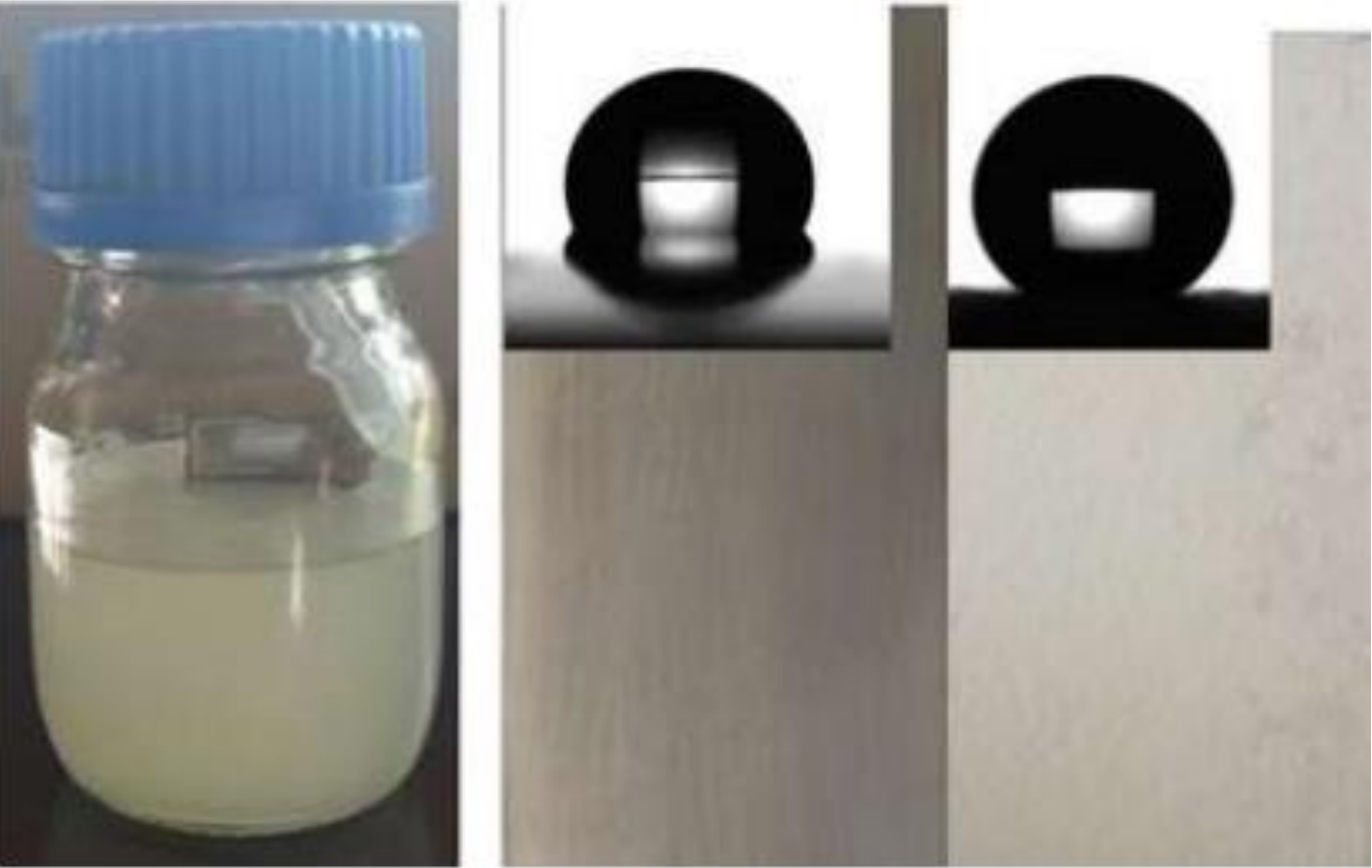
 润滑剂
润滑剂
 润滑油添加剂
 自润滑材料
自润滑材料
 密封材料
密封材料
 新兴材料
新兴材料
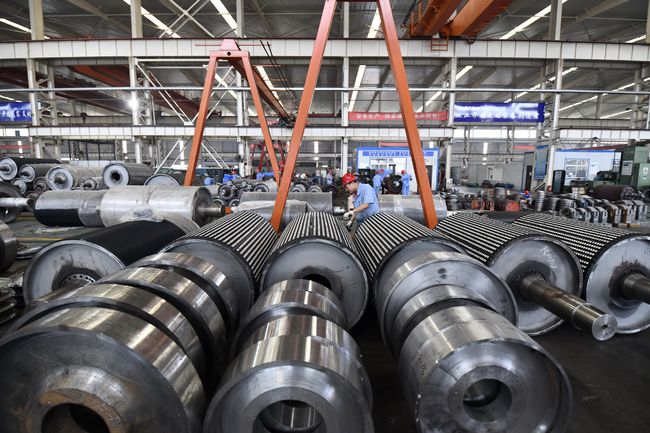 加工设备
加工设备
 摩擦试验机
摩擦试验机
 大型表征仪器
 小型测试设备