Shear strength parameters such as friction angle and cohesion are fundamental to solving geotechnical engineering problems related to slope stability, foundation design, and earthwork construction. This study presents the prediction of friction angle (Fi) and cohesion (Nc) of an unsaturated lateritic soil using three intelligent learning techniques: Support Vector Machine (SVM), Radial Basis Function (RBF), and Multilayer Perceptron (MLP), with Linear Multivariate Regression (LMR) adopted as a baseline model to evaluate agreement between input and output variables. The motivation for employing machine learning approaches stems from the limitations of complex laboratory testing and the need for reliable predictive tools that can support design and field applications. The investigated soil, classified as A-7-6 and poorly graded, exhibited coefficients of uniformity and curvature of 2.05 and 0.84, respectively. It was characterized by high plasticity and significant clay content, with a clay fraction of 23.02%, clay activity of 2, friction angle of 15°, maximum dry density of 1.84 g/cm3 at an optimum moisture content of 16.2%, and was tested under cyclic direct shear conditions. Multiple datasets were generated from varying treatment conditions and soil descriptors, forming the basis for model development. Eleven input parameters were used to predict Fi and Nc, and model performance was evaluated using Variance Accounted For (VAF), Root Mean Square Error (RMSE), Mean Absolute Error (MAE), and coefficient of determination (R2). The results indicate that RBF and MLP outperformed SVM and LMR in both training and testing phases for predicting cohesion and friction angle, demonstrating superior generalization capability. Sensitivity analysis using the Cosine Domain Method revealed that unsaturated unit weight had the greatest influence on friction angle prediction, while clay content was the most influential parameter for cohesion. Among all models, MLP achieved the highest accuracy and overall predictive performance. Based on this optimal model, a Graphical User Interface was developed to enable users to input soil parameters and obtain rapid predictions, providing a practical tool for researchers and practitioners in geotechnical engineering.
周老师: 13321314106
王老师: 17793132604


邮箱号码: lub@licp.cas.cn





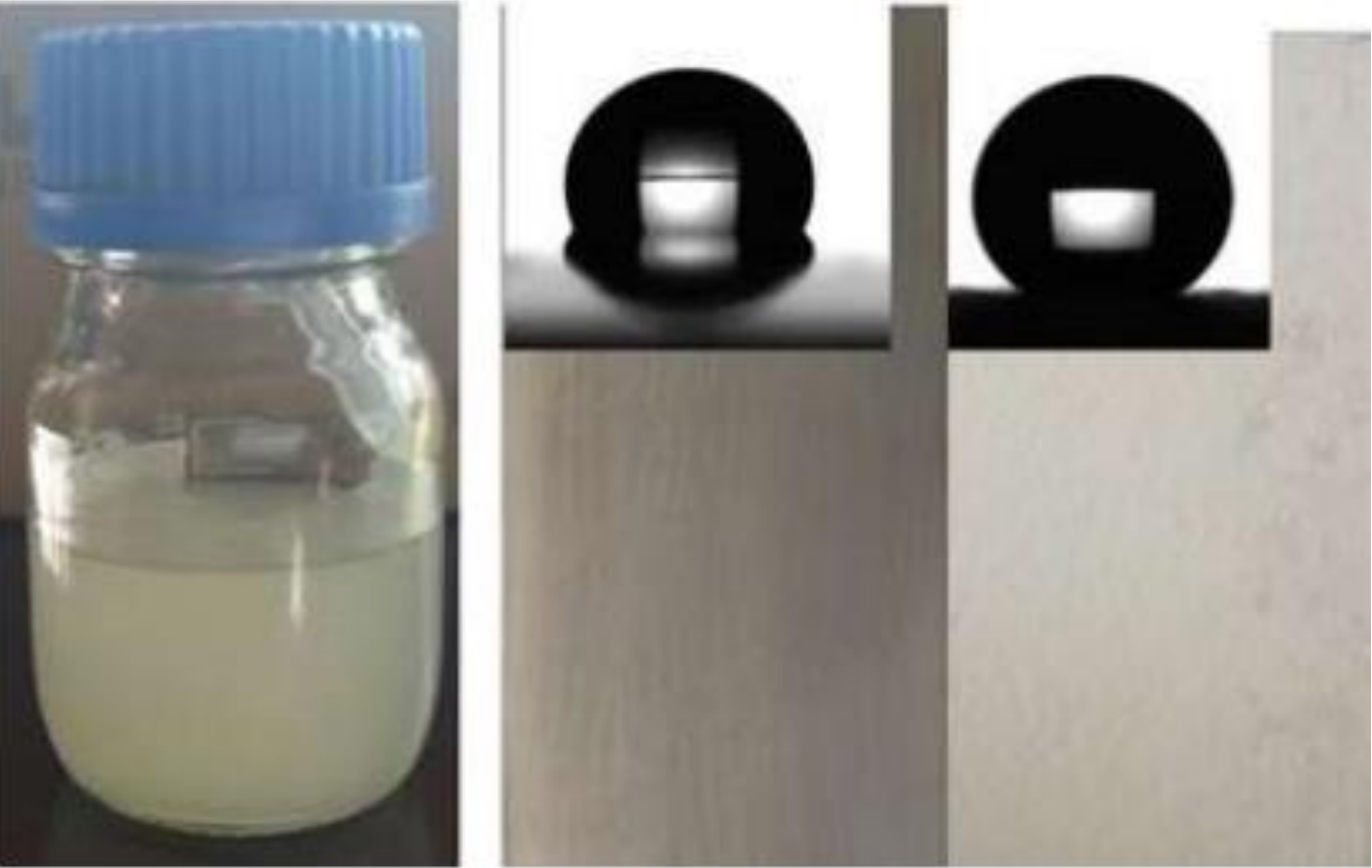
 润滑剂
润滑剂
 润滑油添加剂
 自润滑材料
自润滑材料
 密封材料
密封材料
 新兴材料
新兴材料
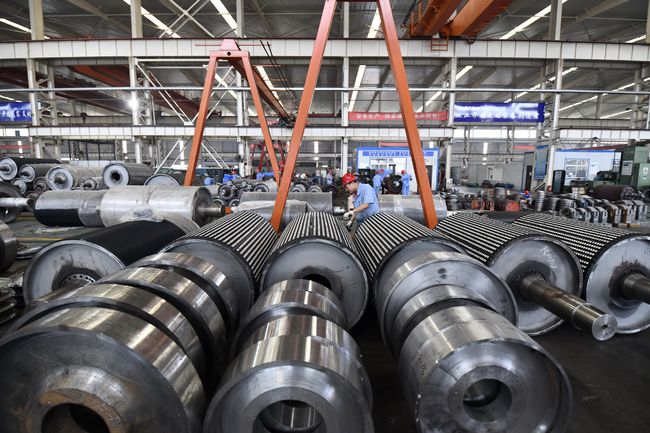 加工设备
加工设备
 摩擦试验机
摩擦试验机
 大型表征仪器
 小型测试设备