Articular cartilage enables nearly frictionless joint motion by regulating how interstitial fluid pressurizes and supports mechanical loads. Loss of this function is a key contributor to osteoarthritis, yet the mechanisms linking tissue composition, fluid pressurization, and lubrication remain poorly understood. Here we combine tribological testing of healthy and enzymatically degraded bovine cartilage with sample-specific finite element (FE) modeling to investigate how interstitial fluid load support (IFLS) governs the coefficient of friction (COF). While direct measurement of IFLS is technically demanding, our FE-based approach enables empirical estimation of IFLS. Cartilage plugs were articulated against each other under creep loading and lubricated with either synovial fluid or saline. The finite element model enabled empirical quantification of IFLS during testing, which we validated against previously reported experimental data. We observed that once interstitial fluid load support declined to low levels, lubrication became increasingly dependent on the external medium. While the strain–IFLS relationship remained linear across all conditions, degeneration disrupted the otherwise consistent IFLS–COF relationship. These findings help clarify how fluid pressurization and tissue integrity jointly regulate cartilage lubrication, providing a functional framework for evaluating cartilage repair strategies and extending to other biphasic materials such as hydrogels and engineered tissues.
周老师: 13321314106
王老师: 17793132604


邮箱号码: lub@licp.cas.cn





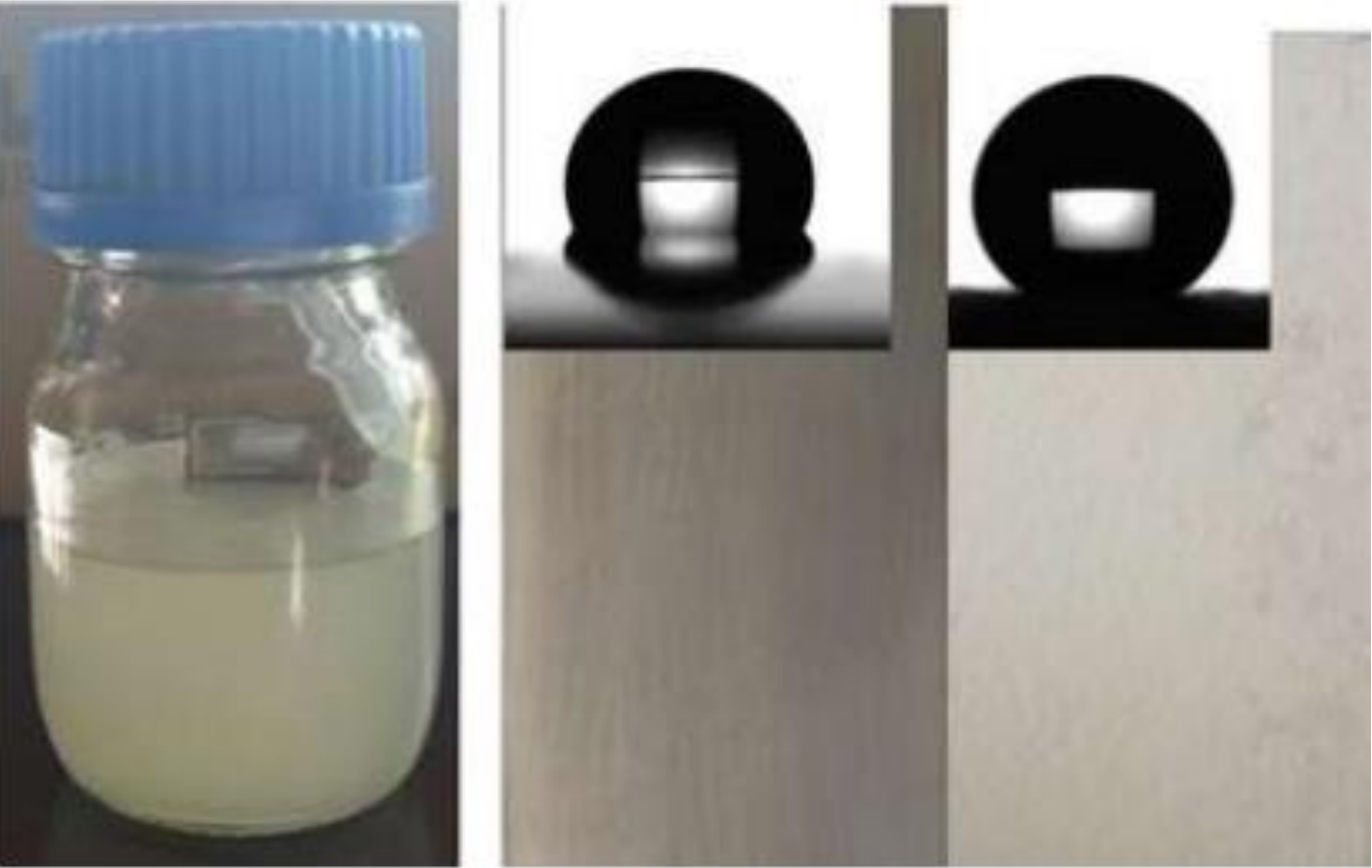
 润滑剂
润滑剂
 润滑油添加剂
 自润滑材料
自润滑材料
 密封材料
密封材料
 新兴材料
新兴材料
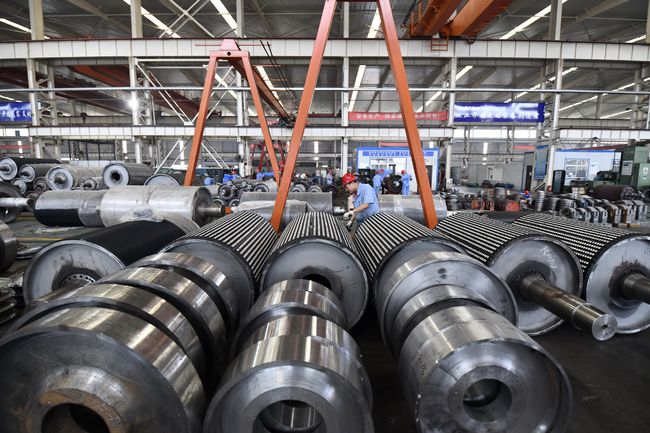 加工设备
加工设备
 摩擦试验机
摩擦试验机
 大型表征仪器
 小型测试设备