The Mn-catalyzed cross-coupling reaction of alcohols is an effective strategy for the synthesis of substituted quinolines. To understand the reaction mechanism, a density functional theory (DFT) study was carried out on the reaction of 2-aminobenzyl alcohol and 2-phenylethanol. The reaction is mainly composed of three processes: (1) the dehydrogenation of 2-aminobenzyl alcohol to produce 2-aminobenzyl aldehyde and catalyst regeneration, (2) the dehydrogenation of 2-phenylethanol to form 2-phenylacetaldehyde and catalyst regeneration, and (3) the C–N coupling of 2-aminobenzyl aldehyde and 2-phenylacetaldehyde to produce 3-substituted quinoline. For catalyst regeneration (processes 1 and 2), the 2-aminobenzyl alcohol-assisted dehydrogenation is more favorable compared to either direct dehydrogenation or 2-phenylethanol-assisted dehydrogenation. The proton transfer in process 3 was identified as the rate-controlling step, with an energy barrier of 23.9 kcal mol−1. The solvent effects were also examined. The mechanistic insights gained in this study would be helpful in improving the current reaction system or designing new reactions.
周老师: 13321314106
王老师: 17793132604


邮箱号码: lub@licp.cas.cn





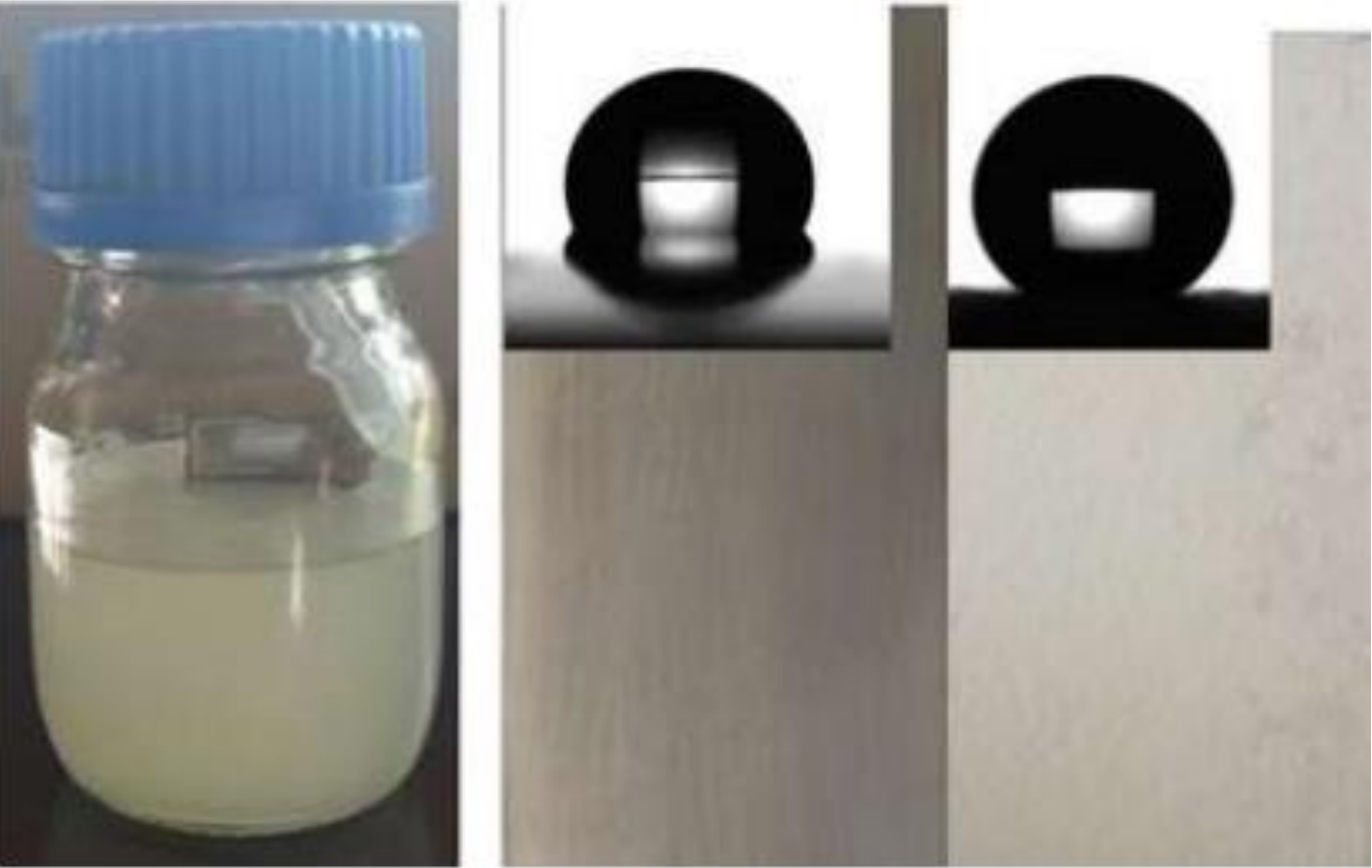
 润滑剂
润滑剂
 润滑油添加剂
 自润滑材料
自润滑材料
 密封材料
密封材料
 新兴材料
新兴材料
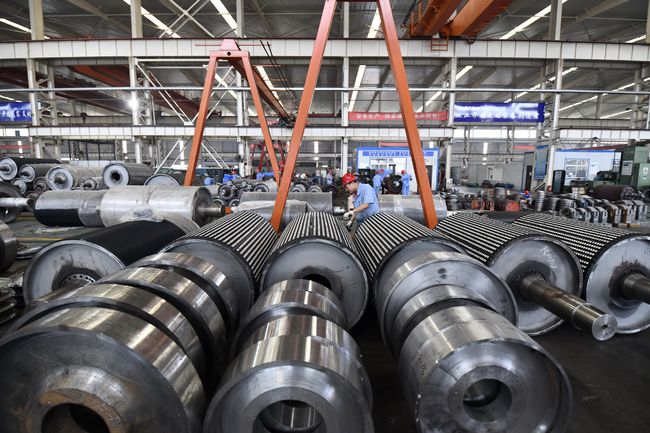 加工设备
加工设备
 摩擦试验机
摩擦试验机
 大型表征仪器
 小型测试设备