The substantial energy demand for space conditioning in buildings remains a critical barrier to global environmental sustainability. This study presents a numerical investigation into a novel, passively enhanced brick designed to mitigate this issue through the integration of latent heat storage. The proposed system embeds a vertical cylindrical enclosure filled with n-Octadecane phase change material (PCM) and a stainless-steel porous foam—implemented to counteract the PCM’s low thermal conductivity—within a standard clay brick. Employing a comprehensive computational fluid dynamics (CFD) model that captures buoyancy-driven convection in the molten PCM, a parametric analysis was conducted to evaluate the impact of enclosure diameter under varying simulated climatic loads. The results demonstrate a transformative improvement in thermal performance. Under peak summer conditions (with a maximum outdoor temperature of 45 °C), the optimized PCM-integrated brick (PCM-B) reduced the peak indoor surface temperature by over 3 °C and diminished peak heat gain through the wall by more than 66% relative to a conventional brick. This enhanced regulation translates to a nearly 50% reduction in required cooling energy. Critically, a subsequent thermo-economic assessment confirms the system’s exceptional financial viability, yielding a robustly positive Net Present Value (NPV) and an Internal Rate of Return (IRR) frequently exceeding 60%. These findings position the proposed PCM-B as a highly promising, practical, and economically compelling solution for advancing energy-efficient and thermally comfortable building envelopes.
周老师: 13321314106
王老师: 17793132604


邮箱号码: lub@licp.cas.cn




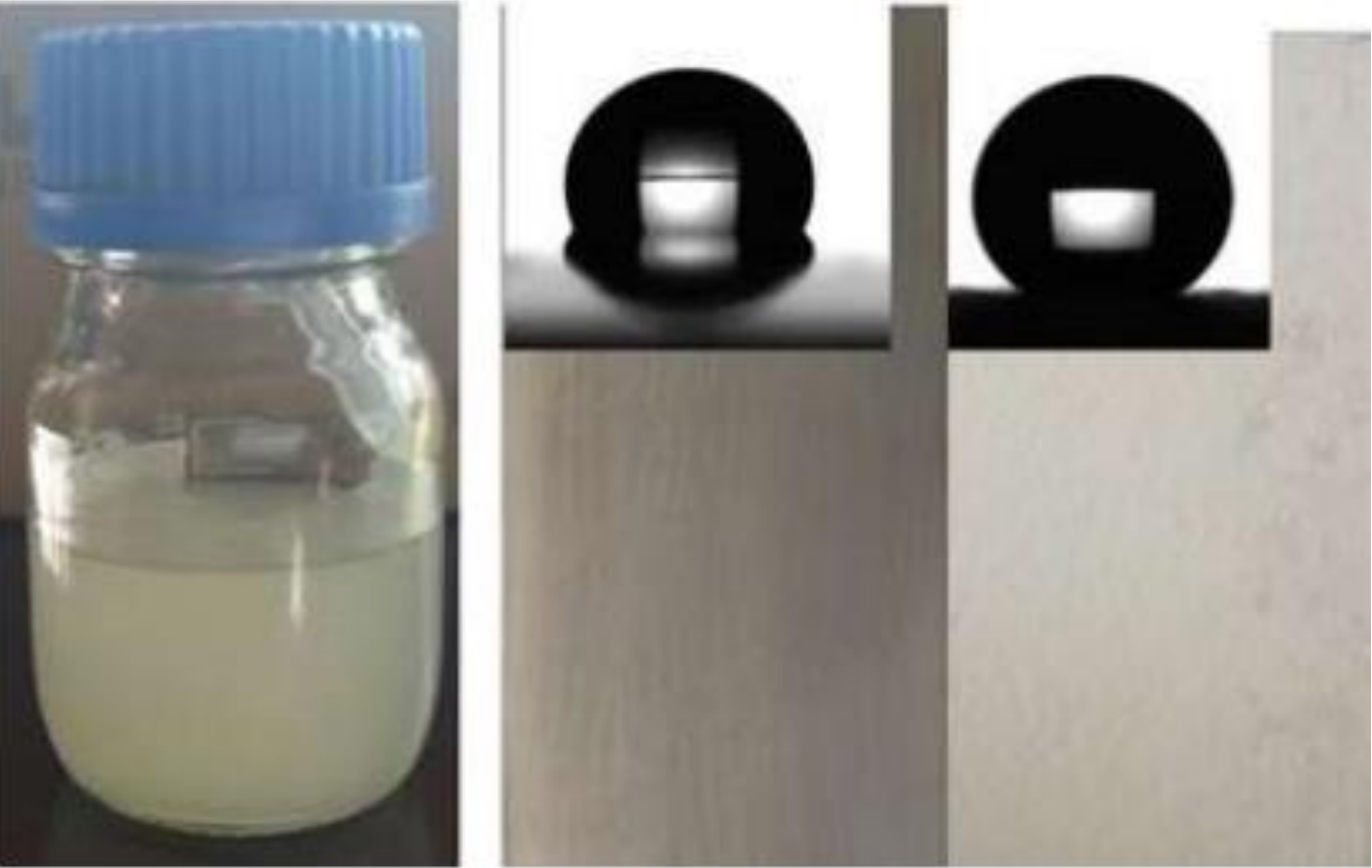
 润滑剂
润滑剂
 润滑油添加剂
 自润滑材料
自润滑材料
 密封材料
密封材料
 新兴材料
新兴材料
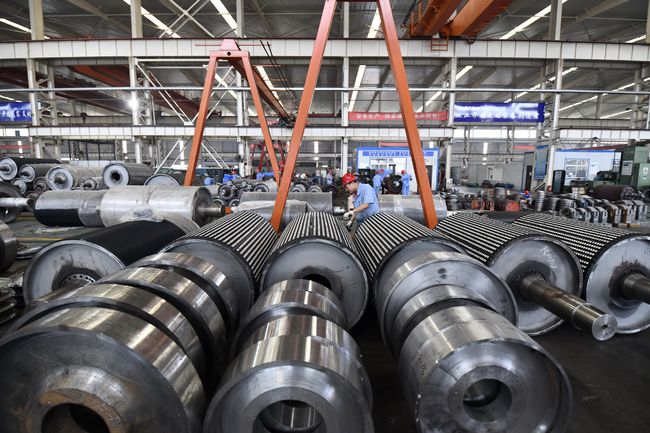 加工设备
加工设备
 摩擦试验机
摩擦试验机
 大型表征仪器
 小型测试设备