This study presents a novel battery thermal management approach for large-format pouch-type lithium-ion batteries (LIBs) commonly used in electric vehicles. A composite housing structure consisting of Al2O3" role="presentation"> A l 2 O 3 foam filled with a nano-enhanced phase change material (NPCM), a mixture of n-octadecane and copper nanoparticles, was investigated using numerical simulations under different C-rates (0.5C, 1C, 1.5C, and 2C) and foam porosities (0.90, 0.92, 0.94, 0.96, and 0.98). The Al2O3" role="presentation"> A l 2 O 3 foam increases the effective surface area and thermal conductivity, while the copper nanoparticles mitigate the low thermal conductivity of pure PCM. Results show that this hybrid system significantly reduces maximum battery temperature, delays temperature rise through latent heat absorption, and improves temperature uniformity. Increasing the C-rate, especially from 1.5 to 2, intensifies heat generation, while lower porosity (ε=0.9" role="presentation"> ε = 0.9 ) enhances thermal performance by redistributing heat toward the cell center. The proposed NPCM–Al2O3" role="presentation"> A l 2 O 3 foam configuration offers a promising strategy to enhance the safety, efficiency, and longevity of high-capacity LIBs in electric vehicle applications.
周老师: 13321314106
王老师: 17793132604


邮箱号码: lub@licp.cas.cn




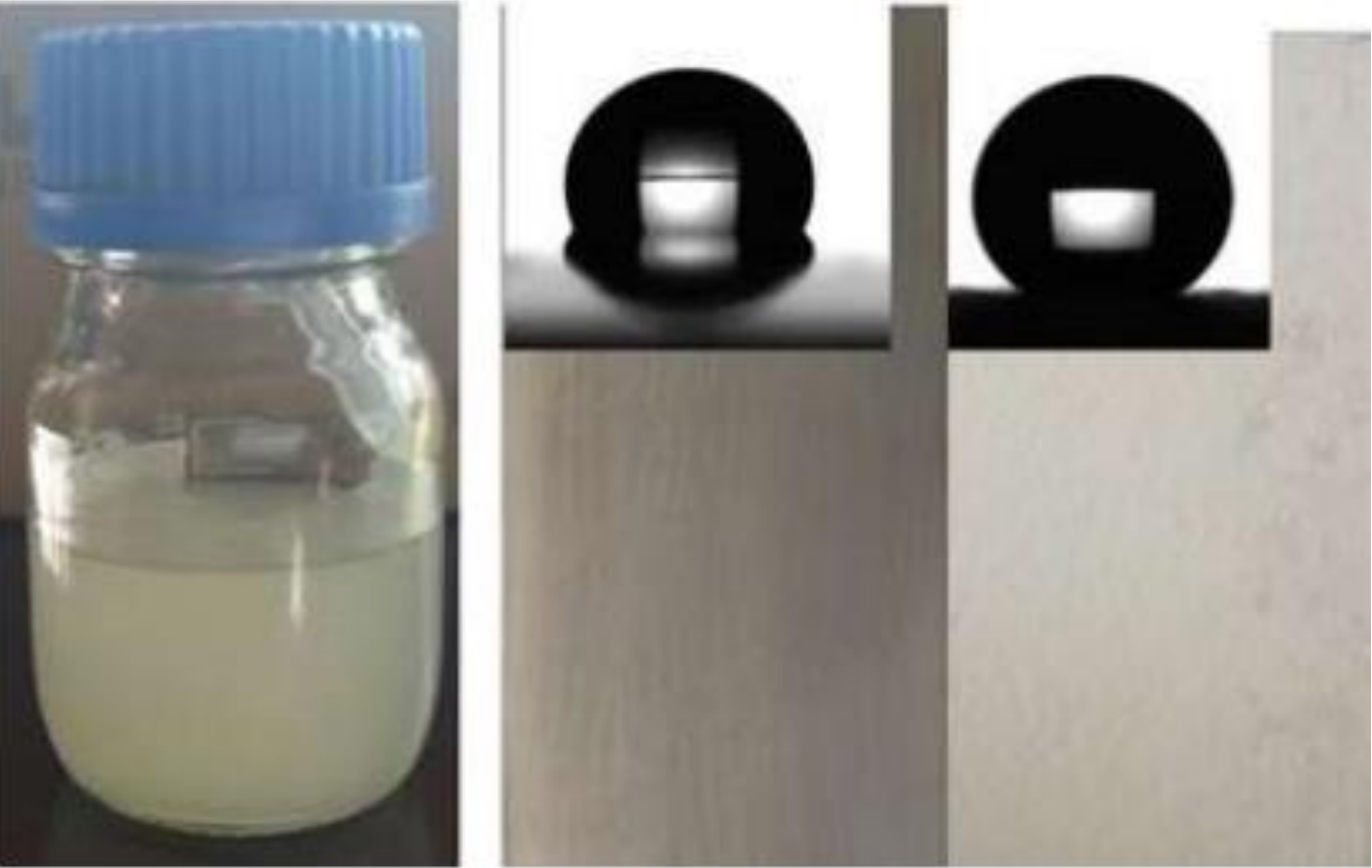
 润滑剂
润滑剂
 润滑油添加剂
 自润滑材料
自润滑材料
 密封材料
密封材料
 新兴材料
新兴材料
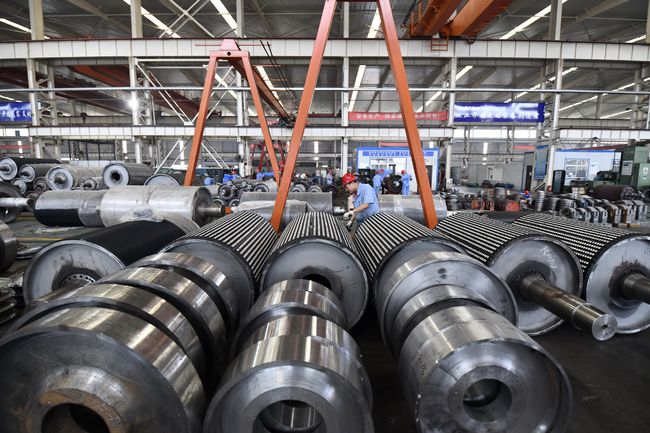 加工设备
加工设备
 摩擦试验机
摩擦试验机
 大型表征仪器
 小型测试设备