This study presents the numerical investigation of the thermal performance of autoclaved aerated concrete (AAC) bricks enhanced with microencapsulated phase change material (MPCM) featuring a PMMA shell, proposed as thermally smart building envelopes for warm climates over a 96-hour period. Using a computational fluid dynamics (CFD) framework with dynamic boundary conditions, the behavior of MPCM-enhanced AAC was analyzed for MPCM volume fractions (φ) of 0%, 5%, 10%, and 15% under maximum outdoor temperatures ranging from 25 °C to 40 °C. Thermal performance was assessed based on indoor and outdoor surface temperatures (Tis and Tos), indoor heat flux (qis), and daily power consumption (DPC). The results demonstrate that MPCM significantly dampens indoor surface temperature fluctuations, maintaining Tis near the PCM melting range (∼22 °C), while unmodified AAC exhibits greater thermal drift and more pronounced oscillations. Under moderate peak temperatures, bricks with φ = 5–10% reduce indoor heat flux to near zero after approximately 16 h, whereas φ = 15% is required to sustain this effect at Tmax = 40 °C. Moreover, MPCM incorporation substantially reduces daily power consumption: compared to unmodified AAC, specimens with φ = 5%, 10%, and 15% achieve reductions of 51.85%, 52.64%, and 80.76%, respectively. These findings highlight the strong potential of MPCM-enhanced AAC bricks for passive energy savings under realistic, time-varying environmental conditions.
周老师: 13321314106
王老师: 17793132604


邮箱号码: lub@licp.cas.cn





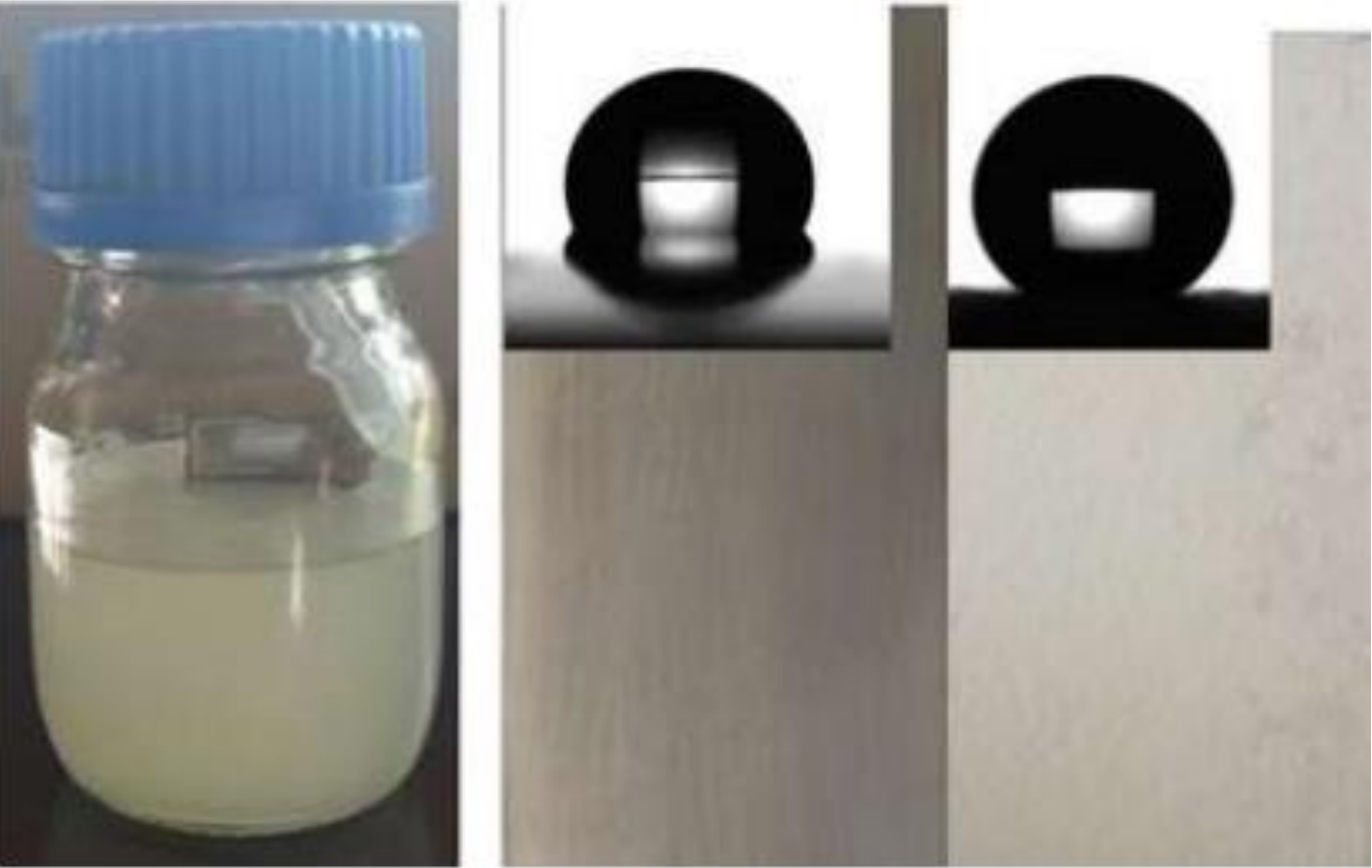
 润滑剂
润滑剂
 润滑油添加剂
 自润滑材料
自润滑材料
 密封材料
密封材料
 新兴材料
新兴材料
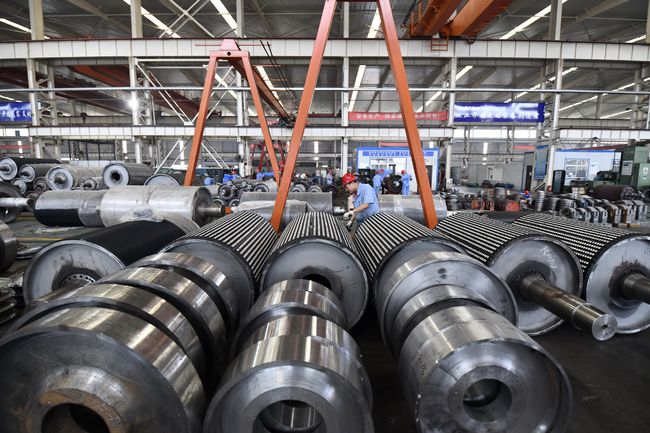 加工设备
加工设备
 摩擦试验机
摩擦试验机
 大型表征仪器
 小型测试设备